This article describes the Best Secondary Cities to Visit Instead of Overcrowded Capital Cities. There are alternatives to the world’s most hectic capitals that are less hectic.
These locations have history, culture, and nature, as well as a travel experience that is authentic.
In the following lines, you will learn of new destinations in Asia, Europe, and other areas of the world that are more affordable, comfortable, and provide a more immersive travel experience.
Key Poinst & Best Secondary Cities to Visit Instead of Overcrowded Capitals
| City | Explanation |
|---|---|
| Kyoto | Historic temples peaceful gardens fewer crowds than Tokyo capital city |
| Jaipur | Royal palaces vibrant bazaars less crowded than Delhi capital city |
| Chiang Mai | Mountain scenery temples relaxed vibe fewer tourists than Bangkok capital |
| Porto | Riverfront charm wine cellars calmer than Lisbon capital city center |
| Melbourne | Coffee culture arts scene less crowded than Sydney capital city |
| Seville | Flamenco heritage sunny streets quieter than Madrid capital city life |
| Krakow | Medieval architecture, historic squares, calmer than the Warsaw capital city center |
| MedellinThe | Spring climate innovation hub less crowded than Bogota capital city |
| Busan | Coastal beaches seafood markets quieter than Seoul capital city life |
| Fukuoka | Harbor city food culture relaxed compared Tokyo capital city buzz |
10 Best Secondary Cities to Visit Instead of Overcrowded Capital Capitals
1. Kyoto
Kyoto attracts those who seek a historical glimpse of traditional Japan without the crowds of Tokyo.
By 2026, sustainable tourism initiatives, along with improvements to rail systems, will assist in the better distribution of visitors among the historic districts of Gion and Arashiyama.
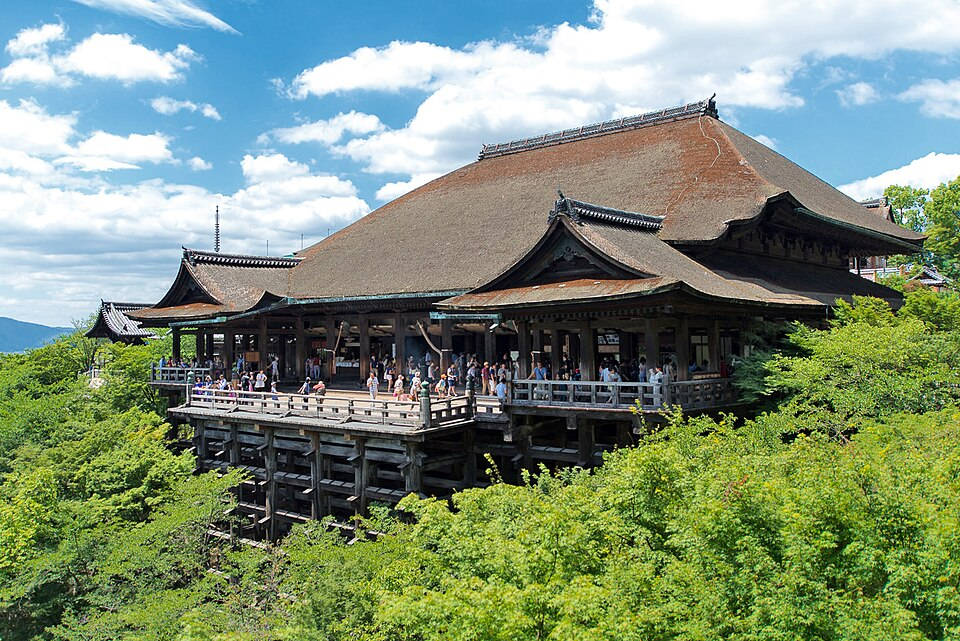
Of all the cities in Japan, Kyoto is top for the preservation of culture and history. Cherry blossoms draw travelers, while lesser-known neighborhoods are deeply immersive for travelers.
Kyoto is perfect for photography and heritage, while providing a city break from the over-visited capitals of the world.
| # | Amazing Thing |
|---|---|
| 1 | Visit ancient temples like Kinkaku-ji and Kiyomizu-dera |
| 2 | Experience traditional tea ceremonies in historic neighborhoods |
| 3 | Walk through Arashiyama Bamboo Forest trails peacefully |
| 4 | Enjoy cherry blossoms during the iconic seasonal spring bloom |
2. Jaipur
Jaipur is a lesser-known architectural gem of India, offering more space than Delhi to experience the beauty of fine art and crafts, Indian heritage, and hospitality.
By the year 2026, improvements to the visitor experience will be seen at Amer Fort through restoration and digitization of services.
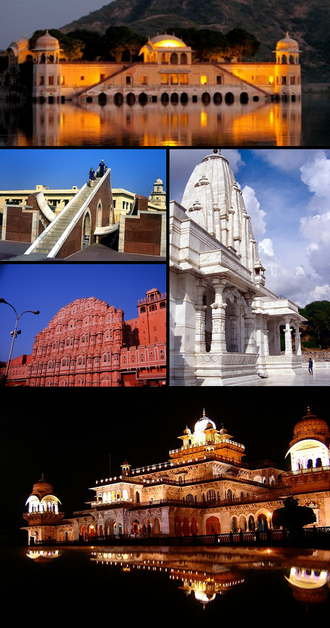
The Pink City is a fusion of the old and the new with modern hospitality, offering boutique accommodation and heritage walks, making it a welcome break for those wanting a taste of authentic cuisine and the heritage of Rajasthan away from the busy urban centers of India.
| # | Amazing Thing |
|---|---|
| 1 | Explore Amer Fort’s royal architecture and hill views |
| 2 | Shop vibrant handicrafts in bustling Johari Bazaar |
| 3 | Visit Hawa Mahal’s iconic pink sandstone façade |
| 4 | Taste authentic Rajasthani cuisine in heritage restaurants |
3. Chiang Mai
Chiang Mai is the top Southeast Asian destination for wellness and digital nomads. The combination of affordable living compared to Bangkok, and the combination of
mountain landscapes and ancient temples, which means that by 2026, remote workers will be flocking to Chiang Mai due to the expansion of coworking spaces and ecotourism initiatives.
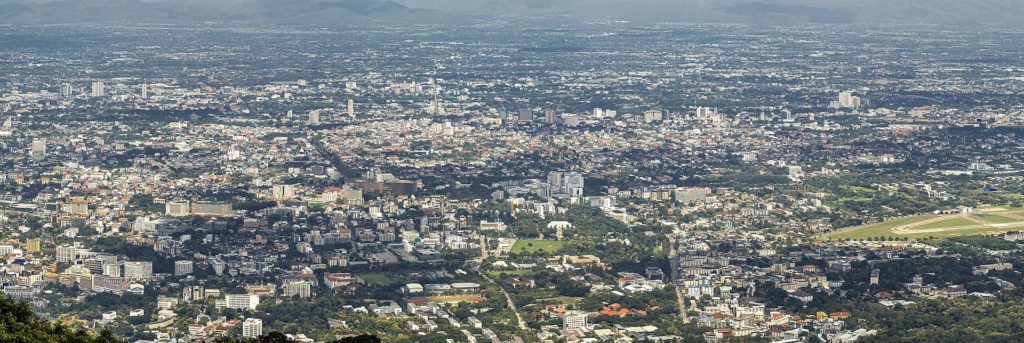
The blend of modern cafes and Lanna heritage, along with night markets and meditation retreats, creates an ideal location for culture and relaxation, as well as adventure.
It is also a potential destination for long-stay travelers due to its attractiveness for peaceful, sustainable tourism. Compared to the overcrowded capital cities, it has a strong sustainable tourism presence.
| # | Amazing Thing |
|---|---|
| 1 | Visit mountain temples like Doi Suthep |
| 2 | Explore night bazaars full of crafts and street food |
| 3 | Enjoy elephant sanctuaries and ethical wildlife experiences |
| 4 | Relax in meditation retreats and wellness centers |
4. Porto
Porto has become a tiny, walkable, European version of Lisbon that has all of the attractions of historic wine cellars and riverside old towns.
The new cruise regulations and heritage preservation in 2026 will safeguard Porto’s UNESCO-worthy Ribeira district.
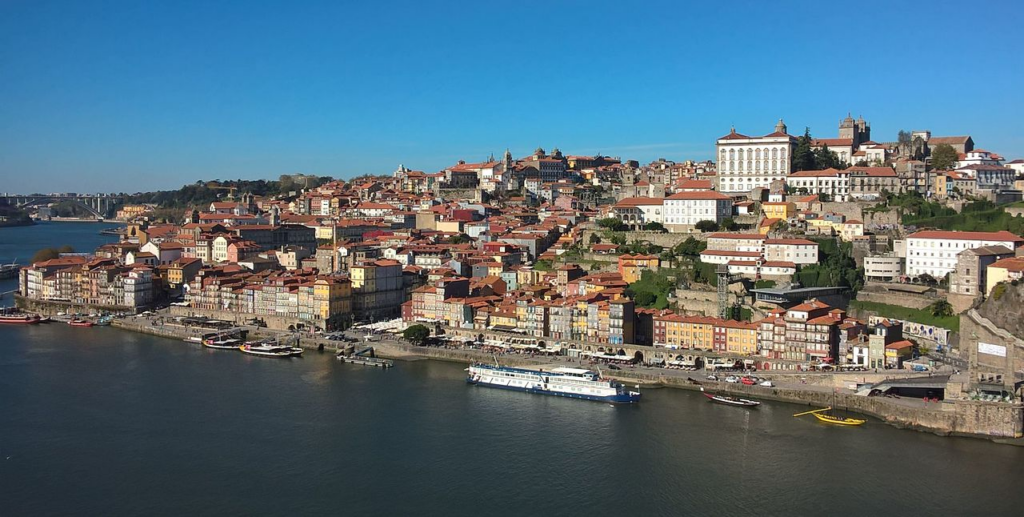
Authentic Portuguese cuisine of seafood and port wine has drawn travelers seeking new tastes.
Compared to capital cities, Porto’s slower pace and affordable accommodation make cultural immersion along the Douro River a sustainable tourism model.
| # | Amazing Thing |
|---|---|
| 1 | Cruise along Douro River scenic waterfront |
| 2 | Taste world-famous Port wine in cellars |
| 3 | Walk Ribeira district UNESCO heritage streets |
| 4 | Explore Dom Luís I Bridge views at sunset |
5. Melbourne
Compared to Sydney’s high-density tourism, Melbourne is a more cultural alternative and the Australian capital of coffee, street art, and diverse fine dining.
By 2026, urban tram systems and green-focused planning will enhance mobility and livability in the city hosting international sports and arts festivals.
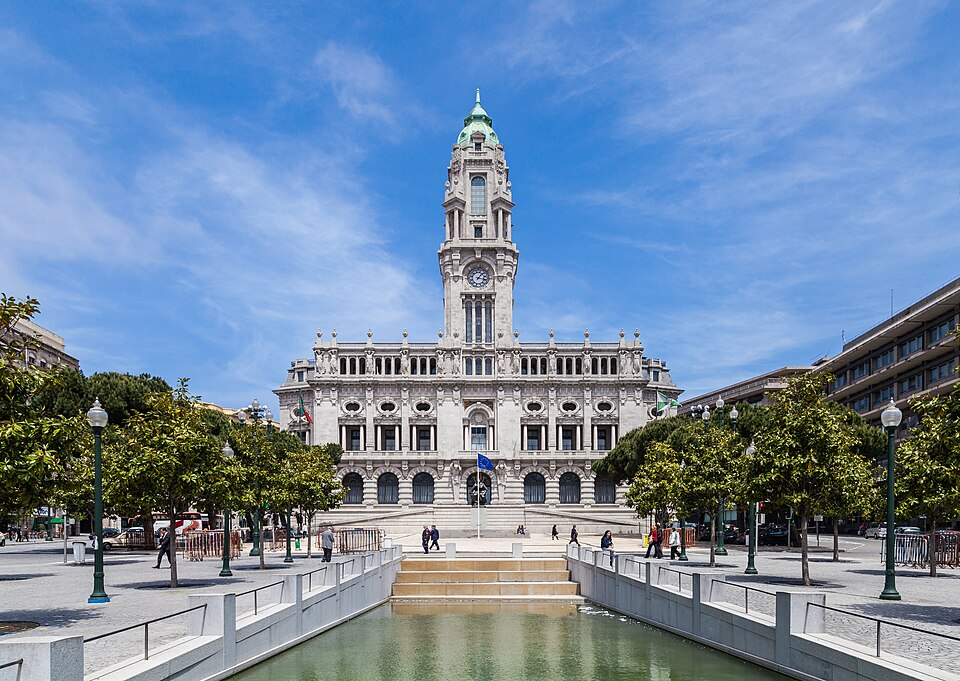
Tourism in Melbourne’s relaxed lifestyle experiences and modern innovation is balanced along the bay and suburban districts, creating a sustainable future.
| # | Amazing Thing |
|---|---|
| 1 | Discover street art in laneway alleys |
| 2 | Enjoy specialty coffee in world-class cafés |
| 3 | Visit Federation Square cultural events |
| 4 | Explore Great Ocean Road day trips nearby |
6. Seville
Seville is one of the most atmospherically colorful cities in Spain, characterized by flamenco, orange tree-lined streets, and historic architecture.
In 2026, heritage conservation and pedestrian conservation programs balance visitor experience with the reduction of congestion.
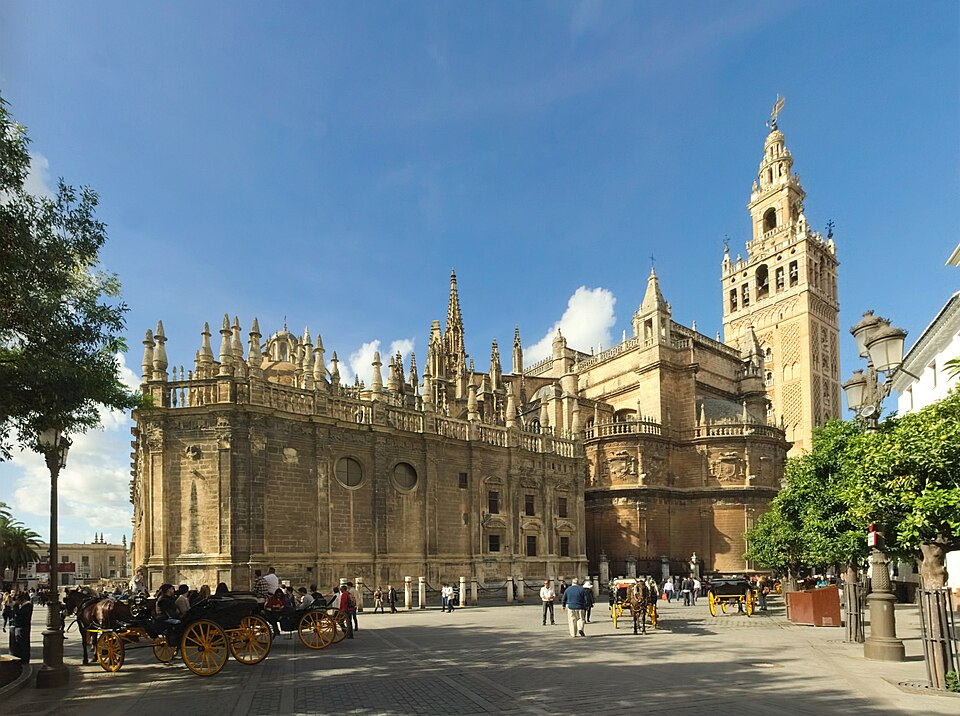
Their Feria de Abril and other festivals continue to attract cultural travelers searching for authentic Andalusia.Seville is influenced by the Moors and offers a warm, easy
slow-paced charm contrasted by the Guadalquivir River with its banks focused on sustainable cultural tourism development, in comparison to Madrid.
| # | Amazing Thing |
|---|---|
| 1 | Watch authentic flamenco dance performances live |
| 2 | Explore Alcázar palace Moorish architecture beauty |
| 3 | Walk orange-tree lined historic old streets |
| 4 | Attend the vibrant Feria de Abril festival |
7. Krakow
Kraków is one of Central Europe’s medieval cities with stunning squares and pipe organs, characterized by Gothic culture as well as a thriving culture, compared to Poland’s capital, Warsaw.
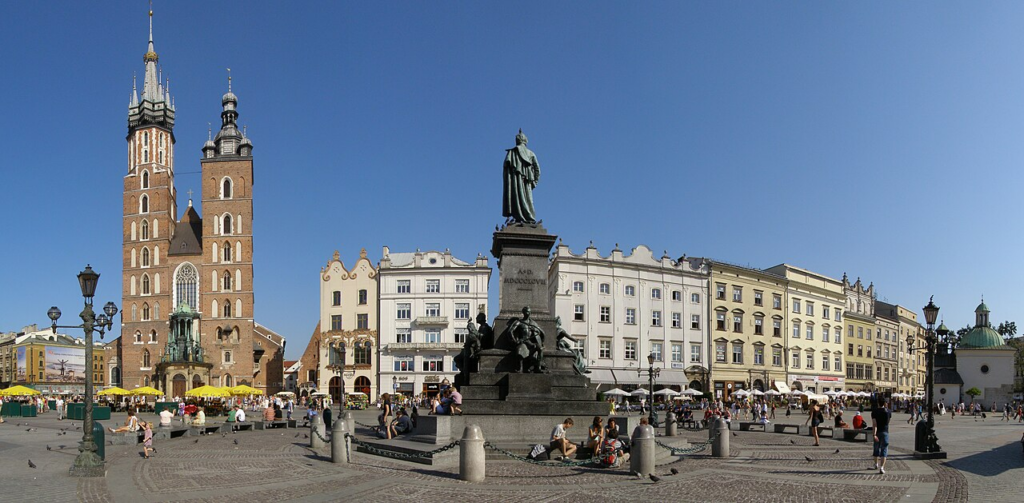
In 2026, Krakow’s further cultural funding and heritage conservation initiatives will enhance the city’s and tourism stability and sustainability.
The city contains all the amenities and facilities needed for sustainable modern tourism while being affordable and rich in history compared to the rest of Europe.
| # | Amazing Thing |
|---|---|
| 1 | Explore Wawel Castle royal history sites |
| 2 | Walk medieval Old Town square charm |
| 3 | Visit Auschwitz memorial historical learning experience |
| 4 | Enjoy nightlife in the Kazimierz district pubs |
8. Medellin
Medellin, compared to Bogota, with its poor planning and infrastructure, has a river-like, spring-like climate and a modern transport system.
In 2026, social urban projects combined with transitory digital nomad infrastructure continue to draw foreigners.
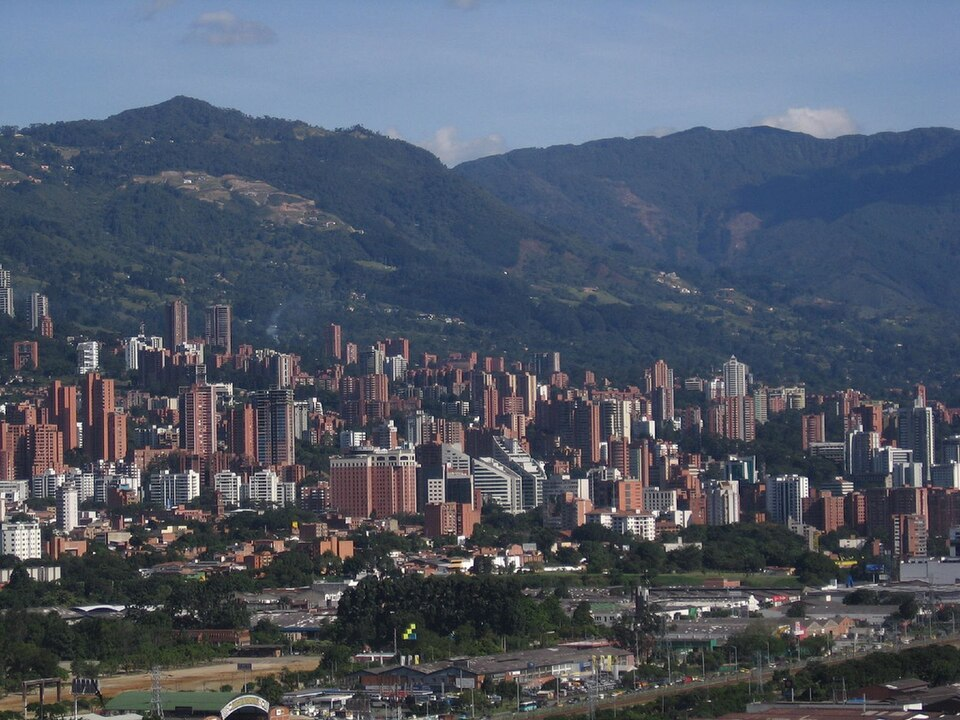
With its modern architecture, Medellin’s integration of hillside neighborhoods, museums, and nightlife has made it Latin America’s foremost example of urban regeneration, sustainable tourism, and eco-friendly travel.
| # | Amazing Thing |
|---|---|
| 1 | Ride Metrocable over hillside scenic views |
| 2 | Explore Comuna 13 street art transformation |
| 3 | Enjoy spring-like weather year-round outdoors |
| 4 | Visit Botero Plaza sculptures and museums |
9. Busan
Busan is South Korea’s most popular beach resort city. It has beaches, seafood, and arts festivals, in contrast to Seoul, which has a dense urban environment.
Planned developments for smart ports and eco-tourism will enhance Busan’s international appeal by 2026. Busan is a rapidly changing city.
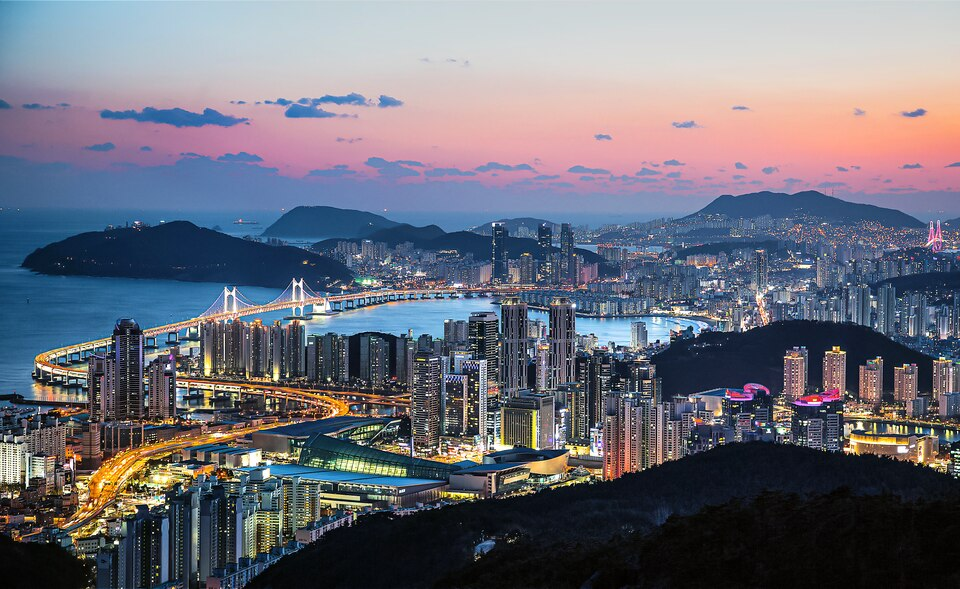
It has a modern skyline, film festivals, and tourism for its research and development. Sustainable coastal tourism will increase tourism to Busan, which will be less crowded,
and offer a relaxed coastal pace. It will have expanded hospitality. Tourists will have ocean views and visit Busan’s extensive hospitality.
| # | Amazing Thing |
|---|---|
| 1 | Relax on Haeundae Beach coastal sands |
| 2 | Explore Jagalchi seafood market freshness |
| 3 | Visit colorful Gamcheon Culture Village |
| 4 | Watch Busan International Film Festival events |
10. Fukuoka
Compared to dense Tokyo, Fukuoka has a harbor lifestyle, a rich food culture, and a modern city. Its combination of convenience and modernity makes it the most livable city in Japan.
By 2026, the development of smart cities and international startups will enhance Fukuoka’s reputation abroad.
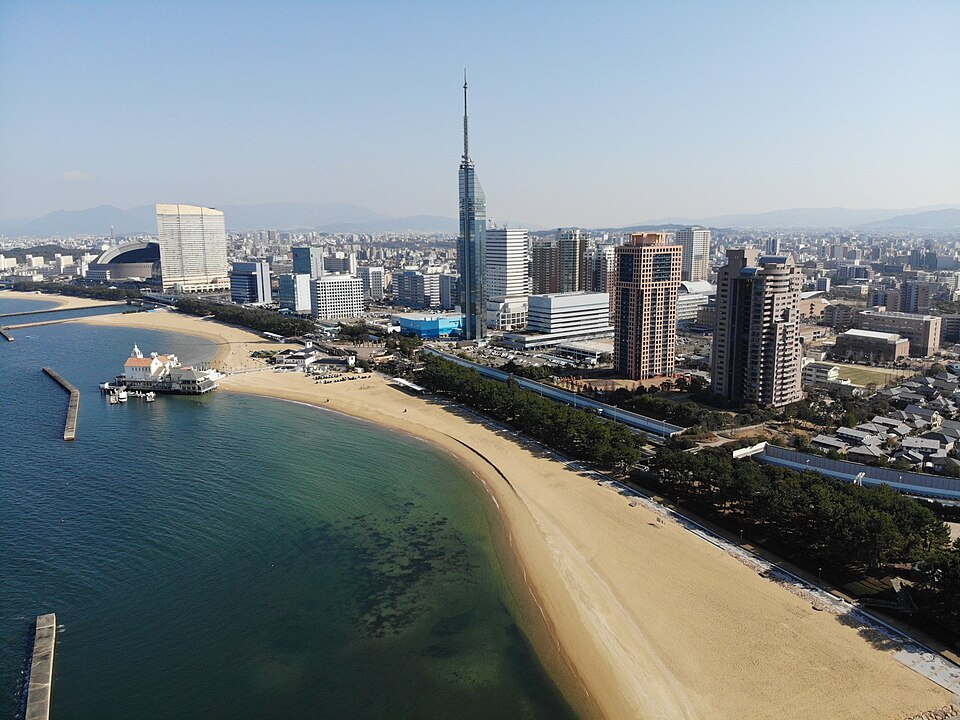
Known for coastal parks, efficient transport, and yatai, or mobile food stalls, Fukuoka is an ideal city for a balance that is less stressful and sustainable. It is attractive to long-term visitors, digital nomads, and travelers who want to experience Japan.
| # | Amazing Thing |
|---|---|
| 1 | Eat street ramen at yatai stalls |
| 2 | Visit Ohori Park peaceful walking paths |
| 3 | Explore Canal City shopping complex |
| 4 | Enjoy seaside Momochi Beach views |
Conclusion
To sum up, the Best Secondary Cities to Visit Instead of Overcrowded Capital Cities offer meaningful respite from the hustle, bustle, and high prices of overly-populated tourist traps.
From the cultural sights in Kyoto (and Jaipur) to coastal, picturesque Porto and Busan, these cities offer everything.
Capitalizing on comfort and pricing, these alternative cities help travelers find a balance and authenticity in today’s world, where journeys can be so meaningfully memorable.
FAQ
What are secondary cities in travel terms?
Smaller cities offer culture, attractions, and experiences outside capital congestion.
Why choose secondary cities over capitals?
They are less crowded, cheaper, and often more authentic experiences.
Is Kyoto better than Tokyo for tourism?
Yes, Kyoto offers culture, temples, and peaceful travel experiences.
Is Jaipur suitable for international tourists?
Yes, it offers heritage forts, markets, and rich cultural tourism.