

In this article, I am going to highlight cities with the most rich and diverse cultures in Europe, describing places where history, art and traditions come together harmoniously.
With exceptional monuments and museums, lively celebrations and ad festivals, and all the architectural features, these cities overload you with culture.
If you are an art lover, historian or a creative tourist, the cultural capitals of Europe will offer you something different and special that will stay with you forever.
Key Points & Best Cultural Cities In Europe
| City | Cultural Highlights |
|---|---|
| Paris, France | World-class museums like the Louvre and Musée d’Orsay |
| Rome, Italy | Ancient ruins including the Colosseum and Roman Forum |
| Vienna, Austria | Classical music heritage and imperial architecture |
| Berlin, Germany | Contemporary art, history museums, and vibrant street culture |
| Barcelona, Spain | Gaudí’s architectural masterpieces and Catalan art |
| Prague, Czech Republic | Medieval old town and baroque buildings |
| Amsterdam, Netherlands | Dutch Golden Age art and canal-side museums |
| Lisbon, Portugal | Fado music, tiled facades, and maritime history |
| Florence, Italy | Renaissance art and architecture, including the Uffizi Gallery |
| Edinburgh, Scotland | Literary heritage and the Edinburgh Festival |
10 Best Cultural Cities In Europe
1. Paris, France
Paris is a cultural treasure, a center of art and history, and a center for great food. Known as the “City of Light,” it is still famous for the Eiffel Tower and the Notre-Dame Cathedral.
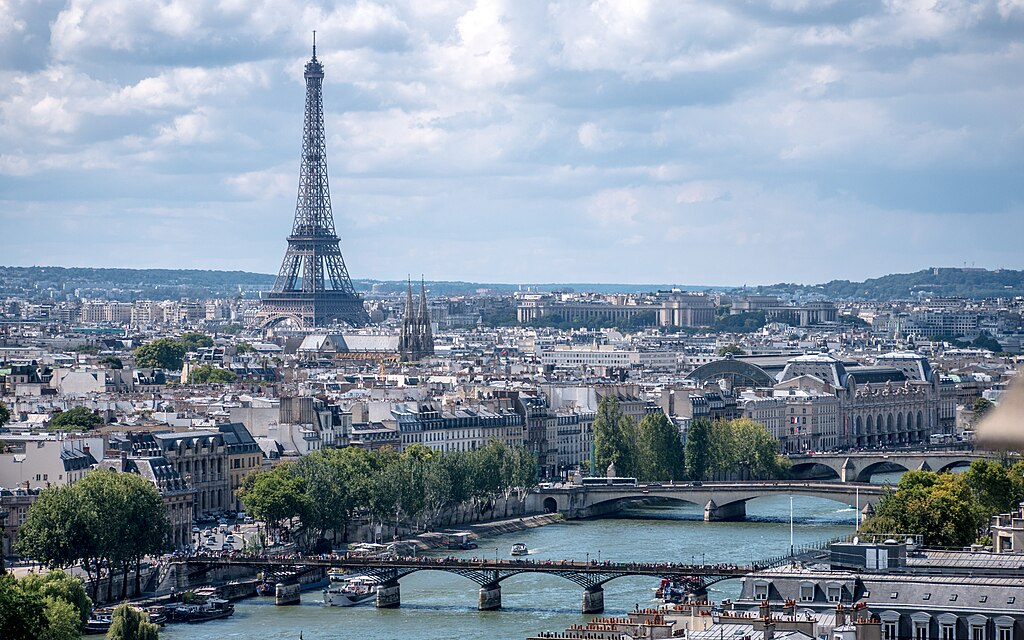
It is home to the famous Louvre, a center for great art and architecture. The city is known for its great fashion as it hosts the famous Paris Fashion Week. It is a great.
The city is known for its music and art as it hosts many concerts and galleries. It is a must to visit Paris for a great experience.
| Famous Landmark / Attraction | Type / Description |
|---|---|
| Eiffel Tower | Iconic symbol of Paris and architectural marvel |
| Louvre Museum | World’s largest art museum, home to Mona Lisa |
| Notre-Dame Cathedral | Gothic masterpiece with historical significance |
| Montmartre | Artistic neighborhood famous for painters & cafés |
| Champs-Élysées | Famous avenue with luxury shops and theaters |
| Seine River Cruises | Scenic view of Paris landmarks from the river |
| Paris Fashion Week | Global fashion event attracting designers worldwide |
2. Rome, Italy
As the “Eternal City,” Rome is rich in history, art, and architecture. Rome is home to the Colosseum, Roman Forum, and Pantheon. It is the famous site of the ancient wonders.
Rome reflects centuries of civilization. Vatican City, which is located in Rome, is home to the baby St. Peter’s and the nearly St. Peter’s.
The remarkable chapel is adorned with the greatest masterpieces of the famous renaissance artist Michelangelo.
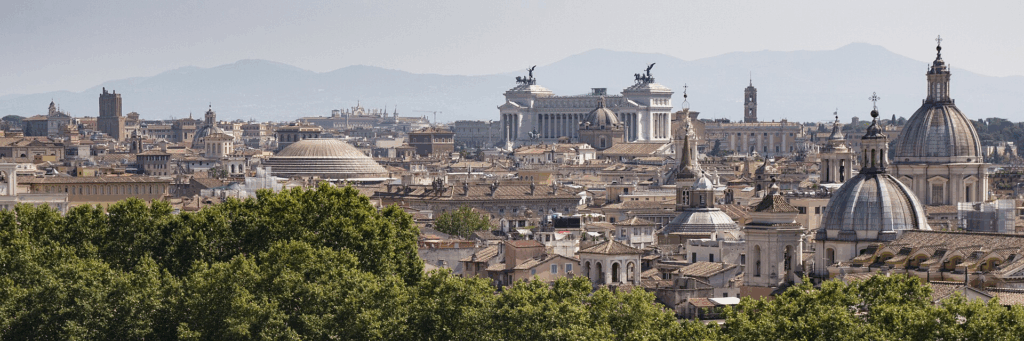
The city’s timeless personified rich culture consists of wonderful italian food, lively markets, bustling café, piazzas, fountains and cobblestoned streets.
For an art, religion or history traveler, Rome is the greatest option for a combination of the three.
| Famous Landmark / Attraction | Type / Description |
|---|---|
| Colosseum | Ancient amphitheater hosting gladiator events |
| Roman Forum | Historical ruins of ancient Roman civilization |
| Pantheon | Architectural and religious landmark |
| Vatican City | Includes St. Peter’s Basilica and Sistine Chapel |
| Trevi Fountain | Baroque masterpiece and famous coin-throwing spot |
| Piazza Navona | Historic square with fountains and street artists |
| Spanish Steps | Iconic stairway connecting key historic areas |
3. Vienna, Austria
Imperial history meets classical music and art in the capital of Austria which is Vienna. As home to the legendary classical composers, Vienna is also known as the City of Music.
Apart from the music culture, the city is rich in splendid architecture with grand palaces such as Schönbrunn and the Hofburg that showcase imperial grandeur.
The city is also rich in art with its museums, such as the Belvedere and the Kunsthistorisches, which preserves remarkable artworks that spans centuries.
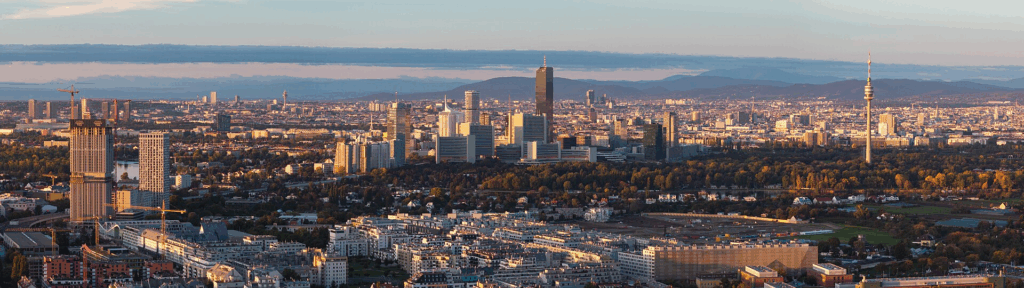
With a sophisticated experience, the rich coffeehouse culture, historic theaters, and the annual music festivals all contributes to the city’s cultural richness.
One can experience the enchanting Europe and rich history, refined elegance and artistry all at once in Austria.
| Famous Landmark / Attraction | Type / Description |
|---|---|
| Schönbrunn Palace | Imperial palace with beautiful gardens |
| Hofburg Palace | Former imperial residence, now museums & offices |
| St. Stephen’s Cathedral | Gothic cathedral in the heart of Vienna |
| Vienna State Opera | World-class opera house with historic performances |
| Belvedere Palace | Home to Gustav Klimt’s famous “The Kiss” |
| Museum Quartier | Cultural complex with modern art exhibitions |
| Coffeehouse Culture | Traditional Viennese cafés serving pastries & coffee |
4. Berlin, Germany
Berlin, Germany’s capital, is known for its artworks, contemporary culture, and for its one-of-a-kind history. From the Brandenburg Gate to the Berlin Wall, Berlin has a powerful history.
It is home to many museums like the world-class ones found on Museum Island, contemporary art galleries and a lively street art culture.
The many theaters and music festivals, along with the nightlife, show a real diversity in the many forms of culture.
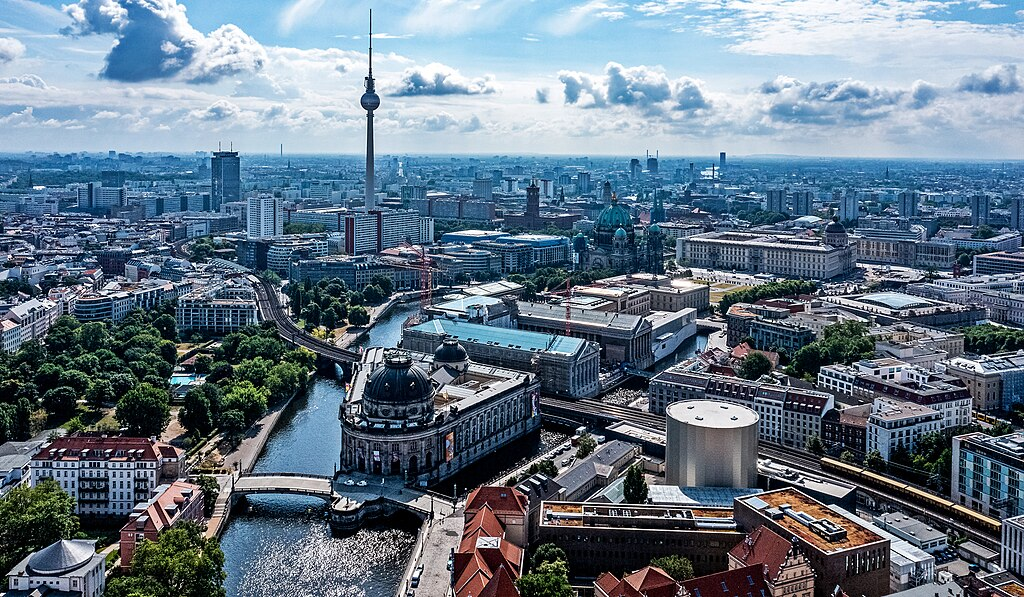
With a fusion of the new and the old, Berlin is one of the many places that lets the world see their innovation with a rich history and a culture.
It is one of the many places that lets the world see their history in a captivating way. Berlin is a place for historians, artists and even those that follow the latest trends in the world.
| Famous Landmark / Attraction | Type / Description |
|---|---|
| Brandenburg Gate | Historic landmark symbolizing German unity |
| Berlin Wall | Remnants of the Cold War divided city |
| Museum Island | UNESCO site with multiple world-class museums |
| Reichstag Building | German parliament building with glass dome |
| East Side Gallery | Open-air gallery painted on Berlin Wall |
| Checkpoint Charlie | Famous Cold War crossing point |
| Berlin Philharmonic | Renowned orchestra with classical music performances |
5. Barcelona, Spain
Barcelona is the Catalonian jewel. It is known for its one-of-a-kind mix of Gothic and modernist architecture, Mediterranean climate, and wonderful street life.
The Gaudí masterpieces of the Sagrada Família and Park Güell first came to define the artistic character of the city.
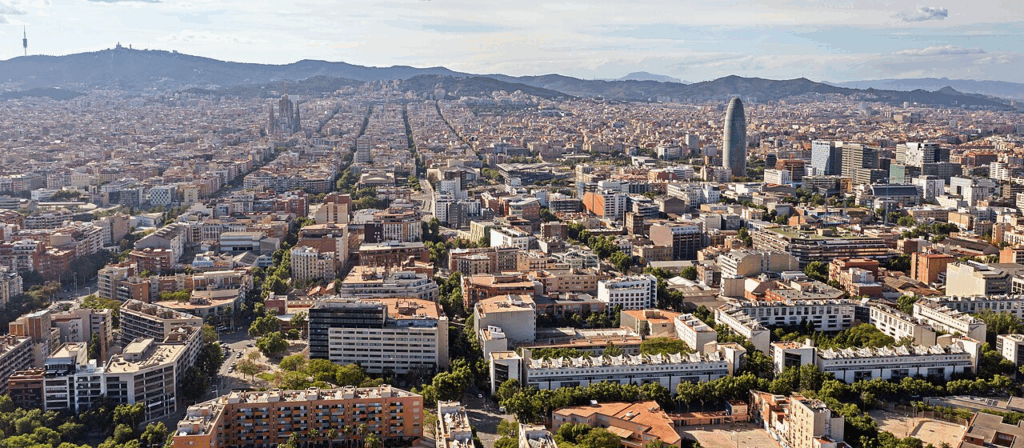
The narrow alleys of the Gothic Quarter, along with its active marketplaces, and the historical public squares offer a view of vintage Barcelona and its rich history.
The city is also rich in cultural activities offered by streaming music, dancing, and festive celebrations like La Mercè.
Its beaches and bustling boulevards make the city’s seaside position even more appealing. Barcelona is a culturall.
| Famous Landmark / Attraction | Type / Description |
|---|---|
| Sagrada Família | Gaudí’s unfinished basilica and architectural wonder |
| Park Güell | Colorful park designed by Antoni Gaudí |
| Gothic Quarter | Historic area with medieval streets & squares |
| La Rambla | Lively boulevard with shops, cafés, and street performers |
| Casa Batlló | Unique modernist building by Gaudí |
| Magic Fountain of Montjuïc | Famous fountain with nightly light shows |
| Camp Nou | Home stadium of FC Barcelona football club |
6. Prague, Czech Republic
Prague, the City of a Hundred Spires, enchants and intrigues guests and tourists with its medieval architecture and cultural history.
The infinite artistic and architectural accomplishments of the city are personified through the PRAHA CASTLES, THE CHARLES BRIDGE AND THE OLD TOWN SQUARE.
The city is renowned for its classical music, and, for Dvořák and Smetana, the city hosts and celebrates concerts and music festivals.
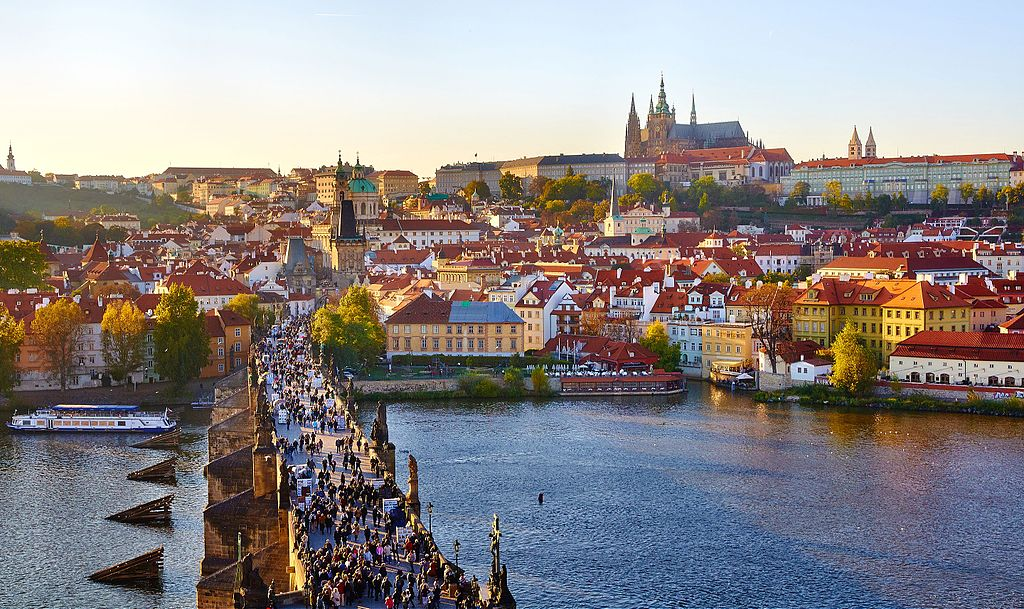
Walking through cobble-stoned streets, visitors and tourists can stop at charming cafes, or visit one of the many traditional breweries.
The city is a travel postcard, no other European city can compare. Dominated with history, literature, and culture, the city of Prague is a never-ending traditional and art center.
| Famous Landmark / Attraction | Type / Description |
|---|---|
| Prague Castle | Largest ancient castle complex in the world |
| Charles Bridge | Iconic historic bridge with statues |
| Old Town Square | Medieval square with Astronomical Clock |
| St. Vitus Cathedral | Gothic cathedral inside Prague Castle |
| Lennon Wall | Symbol of peace and artistic expression |
| National Theatre | Center of Czech opera and drama |
| Petrin Hill | Scenic viewpoint overlooking Prague city |
7. Amsterdam, Netherlands
Amsterdam, the Dutch capital, is famous for its artistic heritage, canals, and liberal culture.
The city’s museums, including the Van Gogh Museum and Rijksmuseum, showcase masterpieces spanning centuries.
Historic canal houses, cobblestone streets, and the Anne Frank House reflect Amsterdam’s rich past.
Cycling culture, lively markets, and vibrant neighborhoods create a unique urban experience.
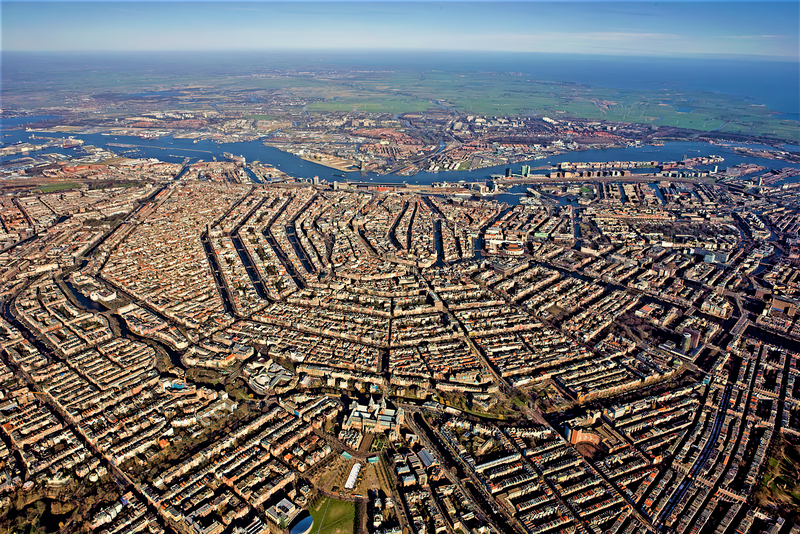
Amsterdam’s music festivals, theaters, and contemporary art scene highlight its creative spirit.
Known for blending history with modern lifestyle, Amsterdam offers a cultural journey through architecture, art, and local traditions.
Its picturesque canals and cultural landmarks make it one of Europe’s most charming destinations.
| Famous Landmark / Attraction | Type / Description |
|---|---|
| Van Gogh Museum | Collection of the artist’s famous works |
| Rijksmuseum | Dutch national museum with historic art |
| Anne Frank House | Historic home and museum of Anne Frank |
| Canals of Amsterdam | UNESCO heritage canals with charming bridges |
| Dam Square | Central square with Royal Palace |
| Jordaan Neighborhood | Trendy area with boutique shops and cafés |
| Flower Markets | Famous floating tulip markets |
8. Lisbon, Portugal
Lisbon, Portugal’s coastal capital, is well-known for its historical appeal, lively culture, and picturesque scenery.
The maritime history of the capital is visible in the cobbled streets, colorful tiles, and historic neighborhoods like Alfama and the Bairro Alto.
The Belém Tower and the Jerónimos Monastery are examples of the Manueline style of architecture, and the fado of the city fado music speaks, in part, to the city’s emotional legacy.
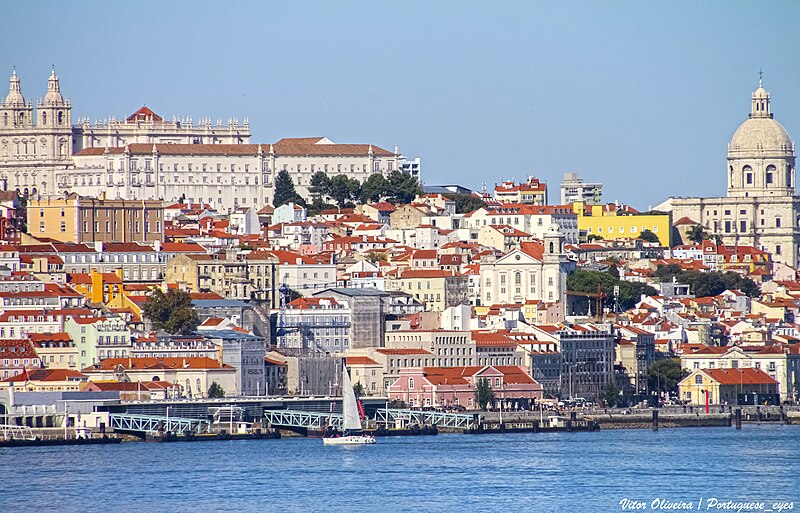
A trip to Lisbon is incomplete without a tram ride to any of the city’s viewpoints and the promenade along the river, where the city is stunning.
The city displays its history and creativity through its museums, galleries, and a variety of festivals, as well.
The warm climate, friendly people, and lively culture, which comprise both the old and the new, make Lisbon one of the great city for tourists. Lisabon’s is especially culturally oriented.
| Famous Landmark / Attraction | Type / Description |
|---|---|
| Belém Tower | Historic fortress by the Tagus River |
| Jerónimos Monastery | Manueline architecture and UNESCO site |
| Alfama District | Oldest neighborhood with Fado music tradition |
| Tram 28 | Scenic tram route through historic streets |
| Praça do Comércio | Iconic riverside square with grand architecture |
| LX Factory | Creative hub with shops, cafés, and galleries |
| São Jorge Castle | Hilltop castle with panoramic city views |
9. Florence, Italy
Florence is a cultural masterpiece in Tuscany, Italy. Known as the cradle of the Renaissance, it is famous for its art, architecture, and historical legacy.
The city is home to the Duomo, Ponte Vecchio, and Uffizi Gallery. Florence nurtured genius artists like Botticelli, Michelangelo, and Leonardo da Vinci.
The city is adorned with museums, palaces, and churches that testify to Florence’s artistic legacy.
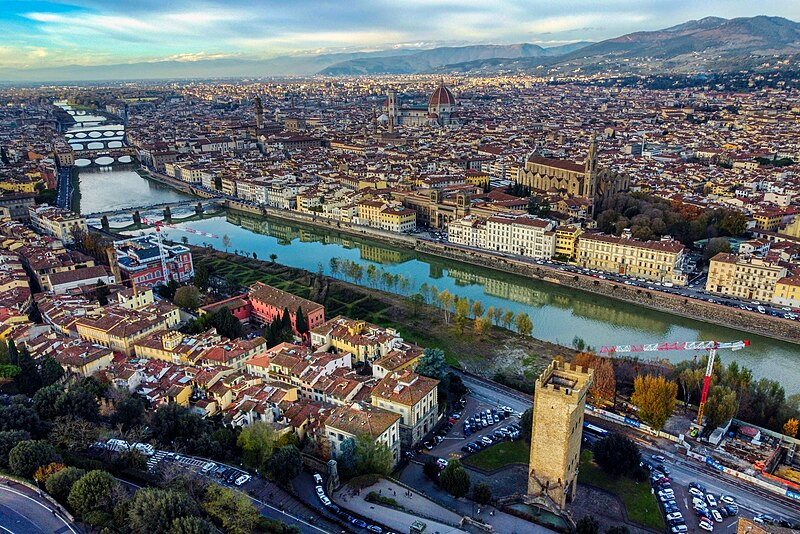
Florence’s cobblestone streets, artisan workshops, and typical Tuscan cuisine create an ambience that is simply irresistible.
The flourishing of art, culture, and creativity in the city encourage the visit of tourists, art lovers and scholars.
The experience of Florene is like living in a museum with a each and every block elegantly adorned with artistic expression, and a history of many centuries.
| Famous Landmark / Attraction | Type / Description |
|---|---|
| Florence Cathedral (Duomo) | Architectural masterpiece with Brunelleschi’s dome |
| Uffizi Gallery | World-renowned art museum with Renaissance works |
| Ponte Vecchio | Historic bridge lined with jewelry shops |
| Palazzo Vecchio | Historic palace and city hall |
| Michelangelo’s David | Iconic sculpture housed in Galleria dell’Accademia |
| Boboli Gardens | Renaissance gardens behind Pitti Palace |
| Piazza della Signoria | Central square with statues and historic buildings |
10. Edinburgh, Scotland
Edinburgh is the cultural gem and historic capital of Scotland. Known for its striking medieval and Georgian architecture, it boasts the iconic
Edinburgh Castle that overlooks the city and the historic Royal Mile that connects historic landmarks, shops, and theaters.
It is home to the world famous Edinburgh Festival Fringe where theatre, music, and comedy is celebrated.
The city’s numerous museums, art galleries as well as the literary heritage that it is renowned for, showcases the diversity and richness of Scotland’s history and creativity.
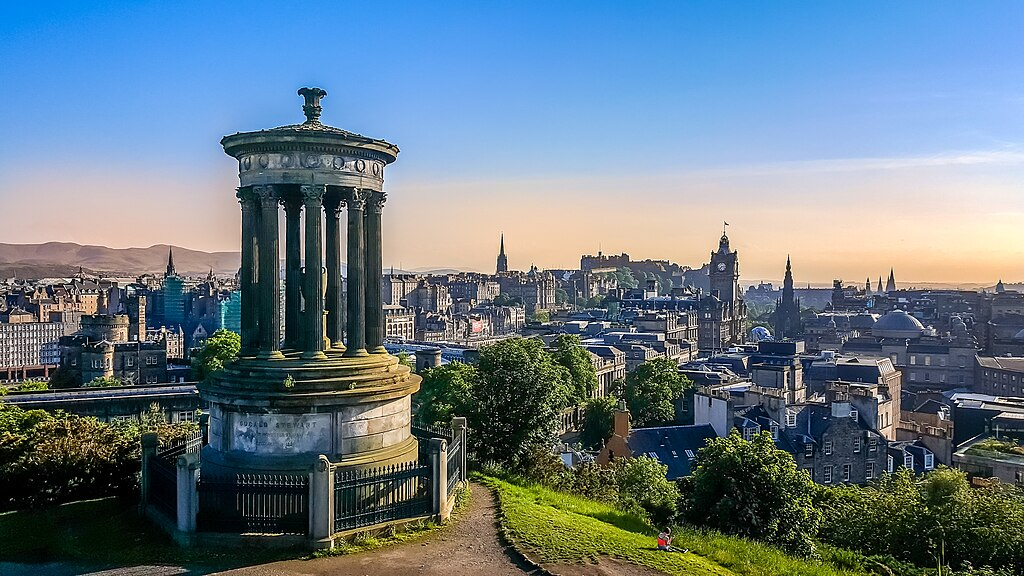
The charming blitz of the cobblestone streets, the picturesque hills, as well as the typical households and their pubs further add to the city’s charisma.
The city is a must visit in Europe and it is the most special because of the history, art, and culture that it has to offer in a perfect modern day living. The architecture, festivals, and vibrant art scene is a memory that no one can ever forget.
| Famous Landmark / Attraction | Type / Description |
|---|---|
| Edinburgh Castle | Historic fortress dominating the skyline |
| Royal Mile | Famous street connecting castle to Holyrood Palace |
| Holyrood Palace | Official royal residence in Scotland |
| Arthur’s Seat | Scenic hill offering panoramic city views |
| Edinburgh Festival Fringe | Largest arts festival in the world |
| National Museum of Scotland | Museum showcasing Scottish history and culture |
| St. Giles’ Cathedral | Iconic medieval church with beautiful architecture |
Conclusion
In conclusion, Europe’s cultural cities are unique, historical, and artistically charming. Each city has its own special architectural and historical delights.
Every city has its own artistic and historical innovations. While, Paris, for example, has landmarks, and Rome has ancient structures,
Euorop has a favourable architectural and historical diversity. Each city creatively demonstrates its historical and artistic delights.
Travelling through these cities leaves a experience, fully displaying the heritage, artistic value, and rich traditions that Europe contains.
FAQ
Which city is known as the “City of Light”?
Paris, France, famous for its art, fashion, and iconic landmarks.
Where can I see the Colosseum and Vatican City?
Rome, Italy, home to ancient ruins and religious masterpieces.
Which city is called the “City of Music”?
Vienna, Austria, known for classical music and grand palaces.
What are Berlin’s must-visit cultural spots?
Brandenburg Gate, Berlin Wall, and Museum Island.
Where can I explore Gaudí’s architectural wonders?
Barcelona, Spain, featuring Sagrada Família and Park Güell.