

In this article, I will discuss the Best Cycling Routes in Europe where extraordinary views pair with the culture, history, and the People’s of Europe.
- Key Points & Best Cycling Routes In Europe
- 10 Best Cycling Routes In Europe
- 1. Danube Bike Path
- 2. Provence, France
- 3. Alpe-Adria Cycle Route
- 4. Brandenburg, Germany
- 5. Małopolska, Poland
- 6. Loire Valley, France
- 7. Tuscany, Italy
- 8. Camino de Santiago, Spain
- 9. Lake Constance Cycle Path
- 10. The Netherlands’ LF Routes
- Conclsuion
- FAQ
Cycling the Danube Bike Path, the hills of Tuscany, and the coastal Alpe-Adria Route rank among the best, and there are so many more.
Europe is home to some of the best value cycling trips on the planet and provides cycling adventures for every skill level, whether for discovery, for a challenge, or for the pleasure of the open air.
Key Points & Best Cycling Routes In Europe
| Route | Key Highlights |
|---|---|
| Danube Bike Path | Flat riverside ride through Austria, Slovakia, and Hungary with castles, vineyards, and historic towns |
| Provence, France | Wine country charm with hilltop villages and the legendary Mont Ventoux climb |
| Alpe-Adria Cycle Route | Alpine to Adriatic journey from Salzburg to Grado, combining mountains and seaside |
| Brandenburg, Germany | Peaceful countryside with lakes, forests, and well-marked bike paths |
| Małopolska, Poland | Cultural heritage and scenic landscapes around Kraków and the Vistula River |
| Loire Valley, France | Châteaux and vineyards along gentle terrain, ideal for leisure cycling |
| Tuscany, Italy | Rolling hills and olive groves with Renaissance towns and gourmet stops |
| Camino de Santiago, Spain | Pilgrimage route with spiritual and historical significance, varied terrain |
| Lake Constance Cycle Path | Three-country loop around Germany, Austria, and Switzerland with lakeside views |
| The Netherlands’ LF Routes | Flat, bike-friendly network through tulip fields, windmills, and charming towns |
10 Best Cycling Routes In Europe
1. Danube Bike Path
One of the greatest cycling routes to travel across Europe is the Danube Bike Path, which is 2,850 km long and travels from Germany’s Black Forest to Hungary.
Cyclists can follow the Danube River and explore the beautiful valleys and medieval towns, along with the historic capitals Vienna and Budapest.
It is a great cycling path to follow given that it is fully flat and is clearly marked for every type of cyclist.
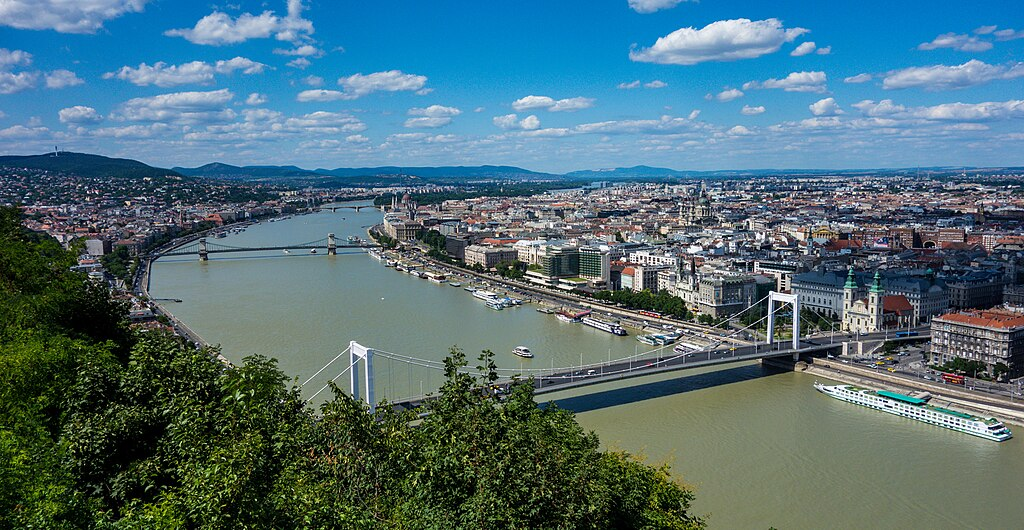
Cyclists can also explore Central Europe’s culture through it by passing by numerous castles and enjoying wine.
The long-distance route is pleasant because there is a great deal of cycling-friendly infrastructure in the form of rest stops and accommodations.
| Famous Things | Description |
|---|---|
| Vienna & Budapest | Two of Europe’s most historic capitals offering grand architecture, music, and vibrant cafés. |
| Melk Abbey | A stunning baroque abbey overlooking the Danube in Austria. |
| Wachau Valley Vineyards | UNESCO-listed region famous for wine tasting and scenic river views. |
| Passau | Known as the “City of Three Rivers,” it’s the traditional starting point of the route. |
2. Provence, France
Cycling in Provence is like a sensual picnic in a lavender field, in an olive grove, in a vineyard, in a picturesque Mediterranean village, and in the warm Mediterranean sun.
Provence is a large, diverse area settled with pleasant biking trails and more serious paths to conquer Mont Ventoux (a favorite for the Tour de France).
The Provence area’s historical landmarks include Avignon and Gordes. The historical landmarks can be completed with local markets and from there
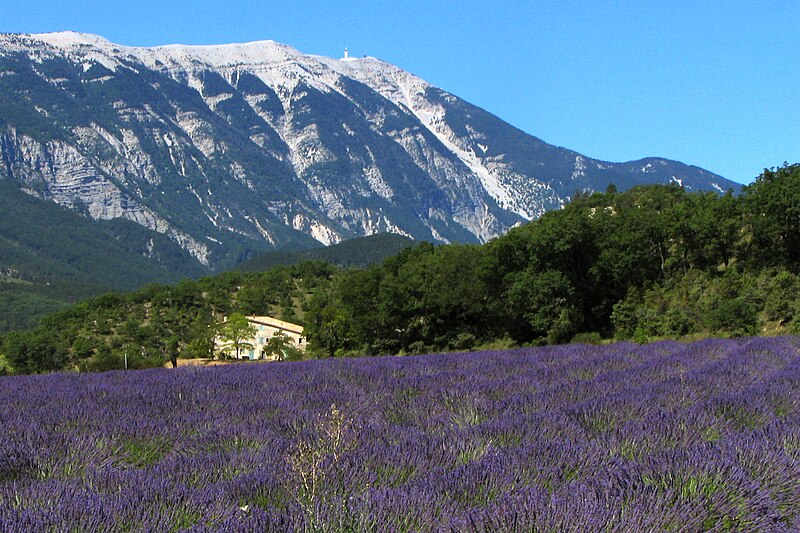
You can gather ingredients for physical exercise with biking to the scents and tastes of Provence.
The period for most travelers is from late spring to early fall for Provence’s dazzling and diverse colors.
Provence has an enormous variety of rewarding factors with the exquisite things that there are to be done in France, biking has to be the most incredible.
| Famous Things | Description |
|---|---|
| Lavender Fields | Endless purple fields that bloom from June to August. |
| Mont Ventoux | Iconic mountain climb featured in the Tour de France. |
| Avignon | Medieval city known for the Papal Palace and bridge. |
| Local Markets | Colorful markets filled with olive oil, cheese, and Provençal spices. |
3. Alpe-Adria Cycle Route
The Alpe-Adria Route stretches 410 km and connects Salzburg, Austria, to Grado, Italy. This cycle route crosses borders and takes riders through alpine valleys, beautiful tunnels and charming villages, before descending to the Adriatic Sea.
It is the perfect blend on the border of the Mediterranean. Cyclists on this route see massive changes in scenery, from snow covered mountains to Mediterranean coastlines.
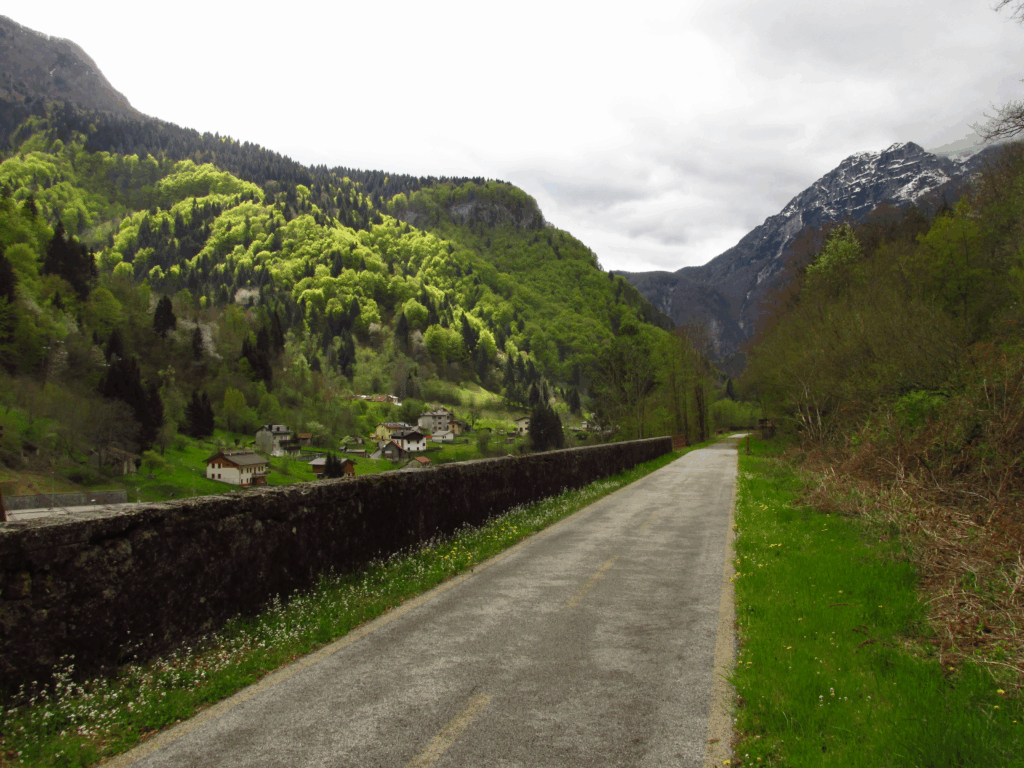
The route is paved, signposted and complemented by excellent train connections that add to the flexibility of travel.
The beautiful Tauern valleys, ancient Roman architecture, and Italy’s culinary delights are some of the highlights.
The Alpe-Adria is perfect for cyclists who love the mountains and want to pedal along the coast. It is truly one of the most diverse and beautiful cycling routes in all of Europe.
| Famous Things | Description |
|---|---|
| Salzburg | Birthplace of Mozart and a UNESCO World Heritage site. |
| Tauern Valleys | Breathtaking alpine scenery with rivers and tunnels. |
| Villach | Austrian town known for its thermal spas. |
| Grado | Charming Italian seaside town marking the route’s end. |
4. Brandenburg, Germany
Brandenburg, the region around Berlin, is a paradise for nature-loving cyclists. It has over 7,000 km of well-designed cycling paths that take you to tranquil lakes, lush forests, and picturesque historic towns.
The flatness of the region makes it perfect for leisurely cycling, which is great for families and long-distance riders.
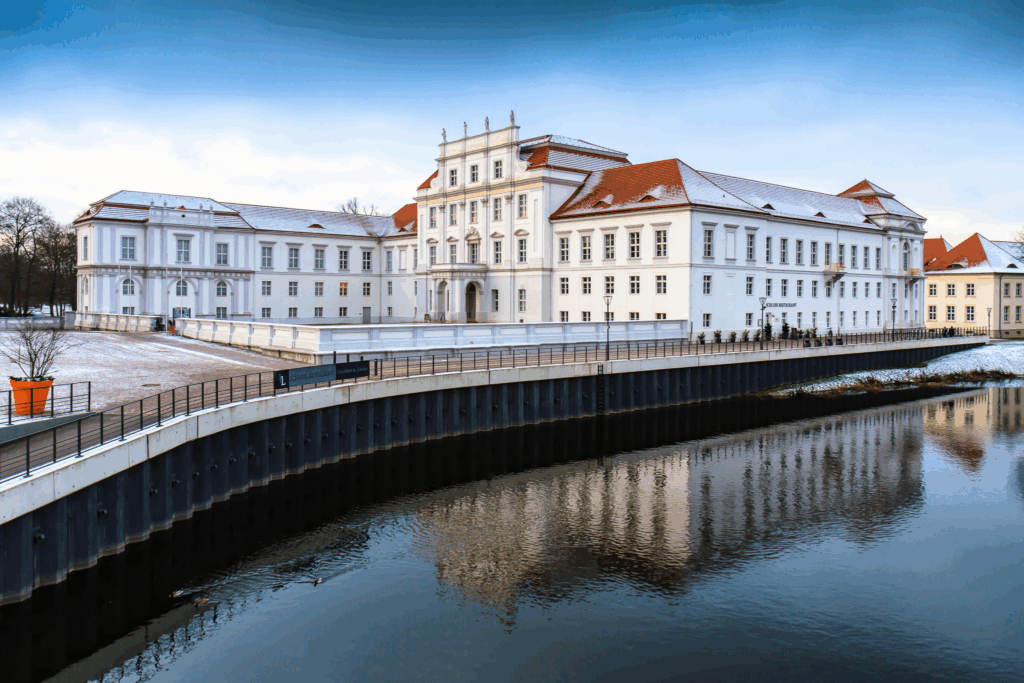
The Spree Cycle Path and the Oder-Neisse Trail are examples of routes that highlight and celebrate the region’s natural and cultural diversity.
While cycling, you will see castles, windmills, and teeming nature reserves. The region’s network integrates seamlessly with Berlin, providing a calm nature experience while staying connected to the city.
| Famous Things | Description |
|---|---|
| Spreewald Biosphere Reserve | UNESCO-protected area with canals and forests. |
| Potsdam Palaces | Sanssouci Palace and gardens highlight Prussian history. |
| Oder-Neisse Trail | Cross-border route along the German-Polish border. |
| Brandenburg Lakes | Perfect spots for swimming and picnics along the routes. |
5. Małopolska, Poland
The Małopolska region in southern Poland is beautiful and boasts some of the country’s finest cycling trails.
Velo Małopolska is 1,000 km in length and connects Kraków, the Tatra Mountains, and the Dunajec River Gorge.
Cyclists pass by some of Poland’s most picturesque valleys, historic villages, and UNESCO World Heritage sites.
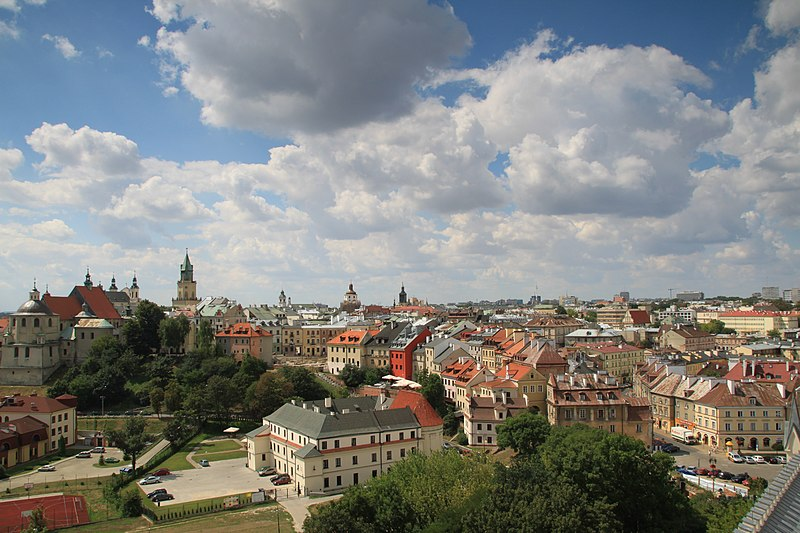
In particular, the trails in Dunajec Gorge are breathtaking, and riders are treated to views of lofty limestone cliffs as they descend the river.
Małopolska is perfect for casual and more serious riders, as the well-maintained trails have abundant cycling infrastructures. It is a region full of history and nature and is recognized for its Polish cycling trails.
| Famous Things | Description |
|---|---|
| Kraków | Historic city with Wawel Castle and Main Market Square. |
| Dunajec River Gorge | Scenic limestone canyon ideal for rafting and cycling. |
| Tatra Mountains | Offers panoramic alpine views and fresh mountain air. |
| Wooden Churches Route | UNESCO-listed religious architecture across villages. |
6. Loire Valley, France
Noted as the “Garden of France,” the Loire Valley boasts one of the most beautiful cycling experiences in Europe.
The Loire à Vélo cycling route is over 900 km and follows the Loire River, passing through vineyards, quaint villages, and fairy-tale châteaux.
Cyclists can visit the historic towns of Tours and Amboise, marvel at the castles of Chambord and Chenonceau, and savor the local wines and food.
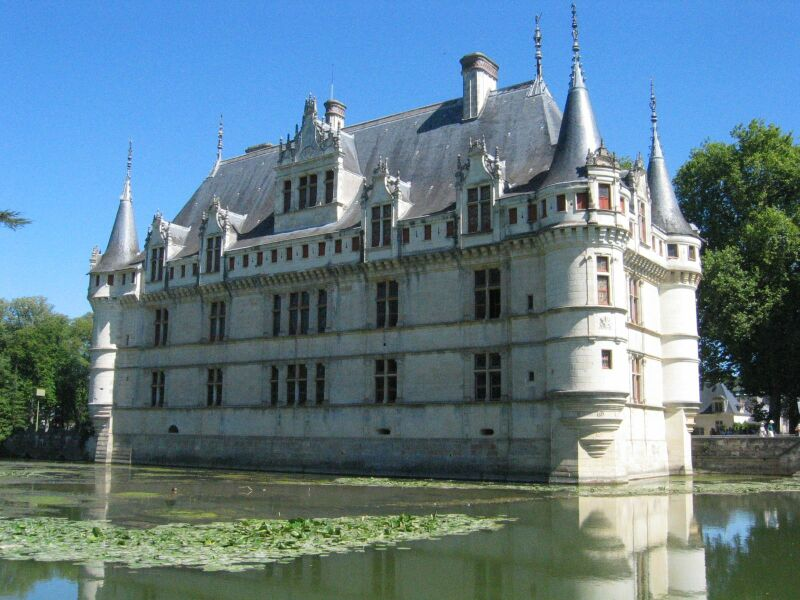
The route is mostly flat and is well and signposted, catering to the whole family and cyclists of every skill level.
The combination of natural and cultural beauty, as well as the culinary delights, makes the Loire Valley a true French cycling destination.
| Famous Things | Description |
|---|---|
| Château de Chambord | Renaissance masterpiece and the region’s largest castle. |
| Château de Chenonceau | Elegant castle built over the Cher River. |
| Vineyards | Famous for white wines like Sancerre and Muscadet. |
| Tours & Amboise | Historic towns rich in culture and French cuisine. |
7. Tuscany, Italy
Tuscany’s beautiful cycling landscape is created by its gentle hills, vineyards, and medieval towns.
Cypress-lined roads lead to Florence, Siena, and San Gimignano and the region’s notorious cycling routes.
Cyclists will face tall hills, and in return, will be rewarded with spectacular views of Tuscany and its culture.
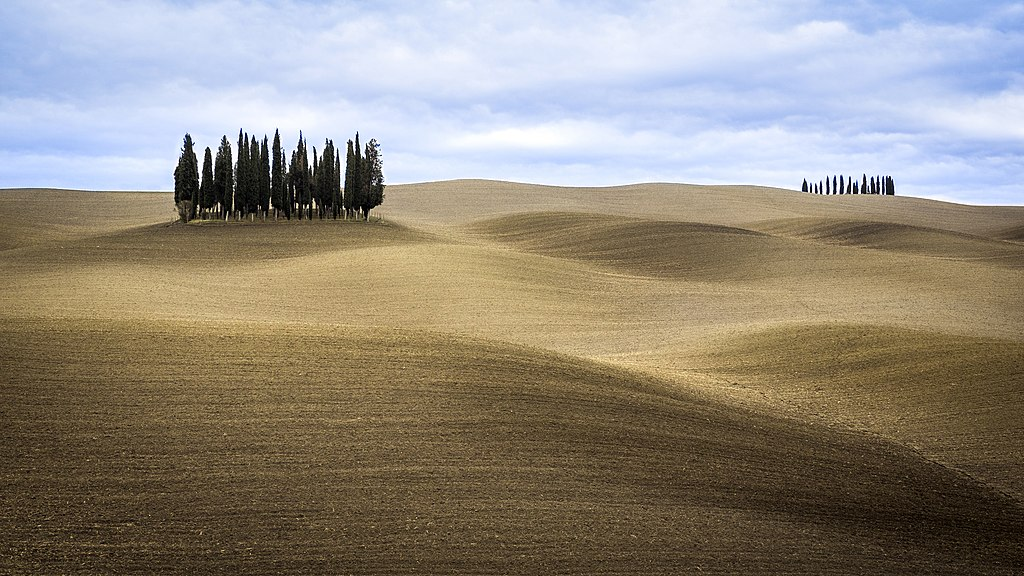
Tuscany is also enriched with art, history, and fine food and wine, and therefore, is perfect for one’s whole cycle country, and is looking for some over indulgence.
Each route in Tuscany, be it in the Chianti wine region or the Val d’Orcia, boasts postcard worthy views.
The romance and culture of Tuscany, along with the rough cycling makes it one of the most sought after cycling regions in Europe.
| Famous Things | Description |
|---|---|
| Chianti Wine Region | Renowned for vineyards and scenic rolling hills. |
| Siena | Medieval city known for Piazza del Campo and Palio horse race. |
| Florence | Birthplace of the Renaissance and home to Michelangelo’s David. |
| Val d’Orcia | UNESCO-listed valley with breathtaking views and stone villages. |
8. Camino de Santiago, Spain
Now a cycling route, Camino de Santiago used to be a pilgrimage route. The Camino Francés, which covers close to 800 km, is the most popular cycling route.
It stretches from Saint-Jean-Pied-de-Port, France, to Santiago de Compostela, Spain. Cyclists move through varied terrains of the Pyrenees, the plains of Castilla, and the green hills of Galicia.
Meeting fellow pilgrims, visiting the region’s historic cathedrals, and enjoying the hospitality of Spanish towns enrich the experience of bikers. It is a true test of endurance and culture as it showcases the best of northern Spain.
| Famous Things | Description |
|---|---|
| Santiago de Compostela Cathedral | Final destination of the pilgrimage route. |
| Pamplona | Famous for its Running of the Bulls festival. |
| Burgos Cathedral | Gothic masterpiece and UNESCO World Heritage site. |
| Galician Countryside | Green landscapes and charming stone villages. |
9. Lake Constance Cycle Path
This 270 km cycle route around Lake Constance is split between Switzerland, Austria, and Germany. It has beautiful views of the lake and the Alps.
The cycling is easy and flat which is perfect for families. Towns like Lindau and Konstanz are visible from the route where cyclists can see historic sites and use the boat for crossing the lake.
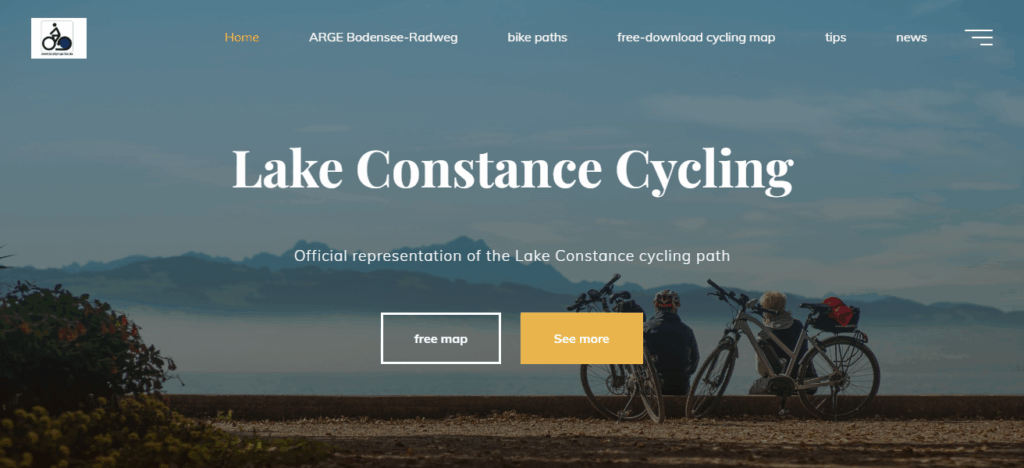
The route has nature like vineyards, beaches, and reserves. It is perfect for family and casual bikers because of the net of cycling paths and diverse scenery. It is a perfect route to experience a mix of culture and nature.
| Famous Things | Description |
|---|---|
| Lindau Island | Beautiful old town surrounded by lake waters. |
| Bregenz | Known for its floating stage and summer festival. |
| Mainau Island | “Flower Island” filled with botanical gardens. |
| Konstanz | Historic city with a vibrant harbor and old cathedral. |
10. The Netherlands’ LF Routes
The Netherlands LF (Landelijke Fietsroutes) network is one of the most bike-friendly countries in the world. Over 4500 km LF routes are long-distance routes connecting cities, countryside and coast.
Windmills and canals can be seen along the routes, and there are also tulip fields. Children and adults, regardless of their cycling experience, can cycle the LF routes. Cycling is also easy and safe because of the well-designed and extensive cycling pathways.
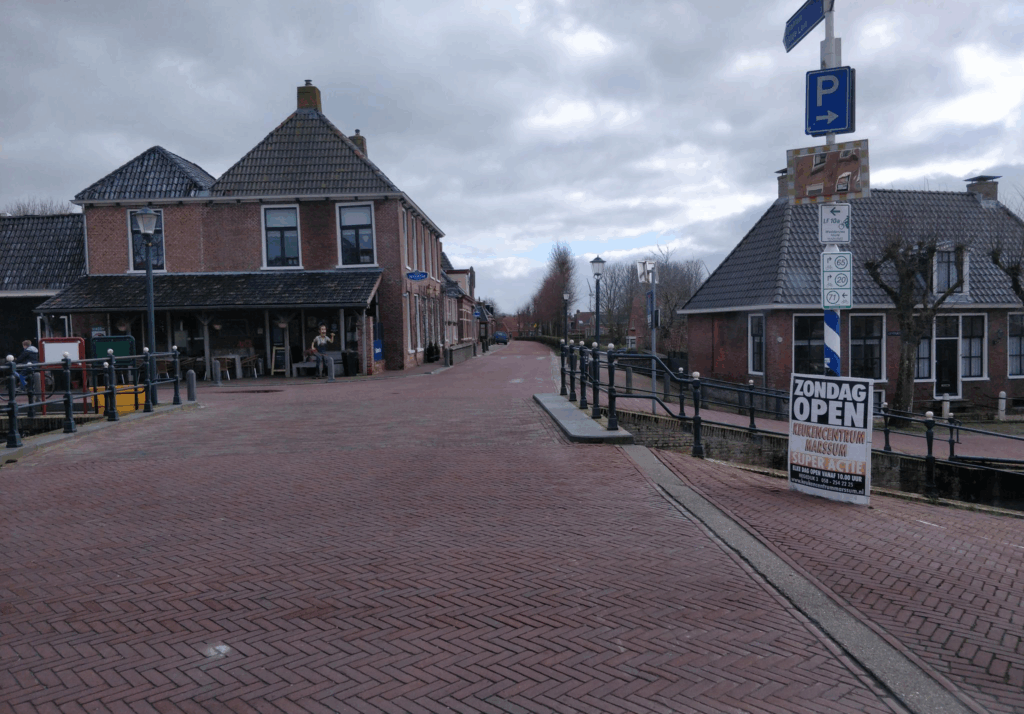
Cycling culture in the Netherlands is showcased at its finest in the LF network because of the varied scenery, and well-designed and extensive cycling pathways.
The cycling culture in the Netherlands is exhibited at its finest because of the excellent signage and varied scenery along the cycling pathways.
| Famous Things | Description |
|---|---|
| Windmills of Kinderdijk | UNESCO World Heritage site with 19 historic windmills. |
| Tulip Fields | Colorful fields blooming in spring, especially near Lisse. |
| Amsterdam Canals | Picturesque waterways perfect for cycling tours. |
| North Sea Coast | Scenic LF1 route offering beaches and dunes. |
Conclsuion
To summarize, Europe has astonishingly diverse cycling paths, including alpine, river, coastal, and vineyard routes.
The combination of each route with adventure, culture, and beauty is what makes cycling such a marvelous means to see Europe.
Europe bike routes guarantee incredible experiences for every type of cyclist, whether you’re looking for a challenge or a leisurely pace.
FAQ
Which is the most famous cycling route in Europe?
The Danube Bike Path from Germany to Hungary is one of the most popular and scenic cycling routes in Europe.
What is the best time to go cycling in Europe?
The best time is from May to September when the weather is warm and routes are well-maintained.
Are European cycling routes beginner-friendly?
Yes, many routes like the Loire Valley and Lake Constance Cycle Path are flat and suitable for beginners.
Do I need to bring my own bike?
Not necessarily—most popular routes offer high-quality bike rental services.
Are there family-friendly cycling routes?
Yes, the Netherlands’ LF Routes and Brandenburg in Germany are ideal for families.