

This article will highlight the Best Eco-Conscious Trip Destinations in India for Sustainable Travel that create a balance between nature and tourism.
- Key Points & Best Eco-Conscious Trip Destinations in India for Sustainable Travel
- 10 Best Eco-Conscious Trip Destinations in India for Sustainable Travel
- 1. Sikkim
- 2. Mawlynnong, Meghalaya
- 3. Khonoma, Nagaland
- 4. Matheran, Maharashtra
- 5. Andaman & Nicobar Islands
- 6. Lahaul-Spiti, Himachal Pradesh
- 7. Sitlakhet, Uttarakhand
- 8. Kerala (Munnar & Wayanad)
- 9. Coorg, Karnataka
- 10. Rishikesh, Uttarakhand
- Conclusion
- FAQ
You will be offered eco-friendly experiences that aid in the preservation of nature, community living, and responsible tourism.
These include the organic valleys of Sikkim, the clean villages of Meghalaya, and the tranquil forests of Kerala.
Key Points & Best Eco-Conscious Trip Destinations in India for Sustainable Travel
| Eco-Conscious Destination | Key Sustainable Features |
|---|---|
| Sikkim | First fully organic state; bans plastic; promotes community-based tourism and conservation. |
| Mawlynnong, Meghalaya | Asia’s cleanest village; community-led waste management and bamboo-based infrastructure. |
| Khonoma, Nagaland | India’s first green village; strong wildlife conservation and traditional Angami practices. |
| Matheran, Maharashtra | Asia’s only automobile-free hill station; promotes walking and eco-friendly stays. |
| Andaman & Nicobar Islands | Marine biodiversity hotspots; eco-resorts and coral reef conservation initiatives. |
| Lahaul-Spiti, Himachal Pradesh | Solar-powered villages; minimal tourism impact; community-run homestays. |
| Sitlakhet, Uttarakhand | Offbeat Himalayan retreat; organic farming and forest preservation. |
| Kerala (Munnar & Wayanad) | Eco-lodges, spice plantations, and responsible tourism initiatives. |
| Coorg, Karnataka | Coffee estates with eco-resorts; biodiversity conservation and local culture promotion. |
| Rishikesh, Uttarakhand | Yoga and wellness tourism; eco-resorts, river conservation, and vegetarian cuisine. |
10 Best Eco-Conscious Trip Destinations in India for Sustainable Travel
1. Sikkim
As India’s first fully organic state, Sikkim is a forerunner for eco-friendly tourists. The state is nestled in the grandeur of the Himalayas and features beautiful valleys, colorful monasteries, and sustainable, eco-friendly homestays.
Friends of the earth will appreciate the state’s zero waste and no plastic policies and encourage responsible trekking. Eco tourists can enjoy Sikkim’s pristine natural beauty with a conscious and caring mindset.

Green Sikkim advocates the conservation of biodiversity and Sikkim offers mindful and sustainable travel, endorsed by green tourism, around the Khangchendzonga National park and the UNESCO listed Khangchendzonga National Park.
| Aspect | Details |
|---|---|
| Eco Title | India’s First Fully Organic State |
| Famous For | Organic farming, zero waste policy, plastic ban, and clean environment |
| Major Attractions | Tsomgo Lake, Yumthang Valley, Gangtok, Khangchendzonga National Park (UNESCO site) |
| Eco-Friendly Activities | Sustainable treks, organic homestays, local handicraft shopping |
| Unique Feature | First state in India to go 100% organic and promote responsible tourism |
2. Mawlynnong, Meghalaya
Community driven eco tourism is best displayed by the cleanliness of Mawlynnong, Meghalaya, often referred to as “Asia’s Cleanest Village.”
Nesting bamboo dustbins encourages villagers to maintain the cleanliness of the village and compost and litter waste.

Bangalow cottages are available to tourists who would like to spend the night, as well as scenic Living Root Bridges, and the Warm Khasi hospitality.
Mawlynnong’s eco tourism is based in community support, respect for nature, and culture. It is a motivating setting for simplicity seeking travelers to the northeastern regions of India.
| Aspect | Details |
|---|---|
| Eco Title | Asia’s Cleanest Village |
| Famous For | Cleanliness, bamboo architecture, community-led eco-tourism |
| Major Attractions | Living Root Bridges, Sky View Point, Balancing Rock |
| Eco-Friendly Practices | Plastic-free, community composting, bamboo dustbins |
| Unique Feature | Every household participates in maintaining cleanliness and greenery |
3. Khonoma, Nagaland
Khonoma, India’s first “Green Village,” blends conservation, culture, and community in a remarkable way.
The village banned hunting to protect wildlife and created its own community conservation area.
Surrounding Khonoma are sustainable agriculture and eco-homestays that offer immersive local experiences.
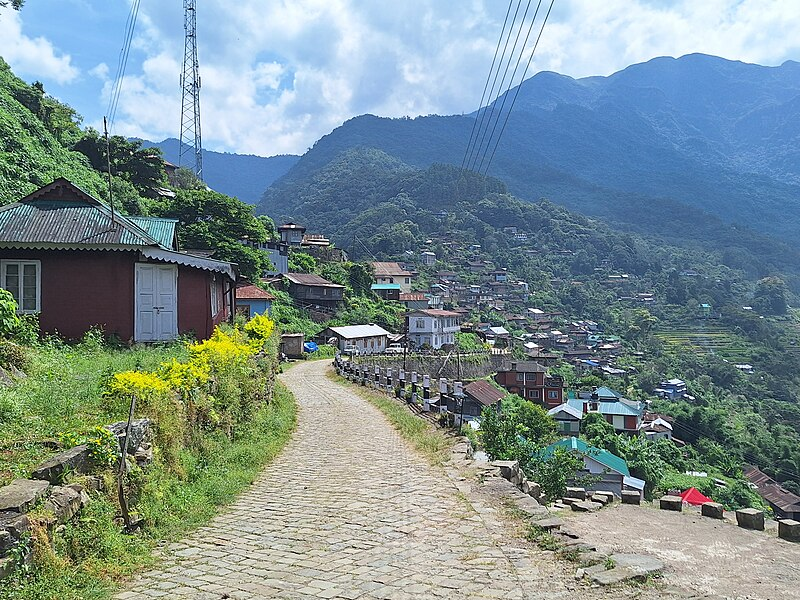
Travelers learn about the Angami tribe’s traditions, architecture, and environmental ethics of the community.
The village’s commitment to preserving its biodiversity and cultural identity has been a blessing and sustainable rural tourism in the northeast of India.
| Aspect | Details |
|---|---|
| Eco Title | India’s First Green Village |
| Famous For | Community conservation, traditional Angami culture, terraced farming |
| Major Attractions | Khonoma Nature Conservation and Tragopan Sanctuary, heritage village walks |
| Eco-Friendly Practices | Hunting ban, sustainable agriculture, eco-homestays |
| Unique Feature | Model of wildlife conservation through local community efforts |
4. Matheran, Maharashtra
Matheran, Asia’s only automobile-free hill station, offers pure mountain air and a peaceful escape from urban chaos.
Located in Maharashtra’s Western Ghats, this eco-sensitive zone bans motor vehicles to preserve its pristine environment.

Visitors can explore scenic viewpoints, forest trails, and colonial-era architecture while traveling by foot, horseback, or toy train.
Matheran’s focus on minimal pollution, conservation of green cover, and plastic control initiatives make it a prime example of sustainable tourism.
Its commitment to preserving nature over modernization ensures a refreshing, eco-friendly experience.
| Aspect | Details |
|---|---|
| Eco Title | Asia’s Only Automobile-Free Hill Station |
| Famous For | Pollution-free environment, scenic viewpoints, forest trails |
| Major Attractions | Charlotte Lake, Panorama Point, Echo Point, Louisa Point |
| Eco-Friendly Practices | No vehicles allowed, plastic ban, horse rides and toy train transport |
| Unique Feature | Complete absence of automobiles for sustainable air quality |
5. Andaman & Nicobar Islands
Every eco-tourist’s dream. This tropical paradise is home to mangrove forests, coral reefs, and eco-sensitive, protected beaches.
Eco-tourism here includes respectful diving, wildlife watching, and avoiding over-developed, capitalistic tourism.
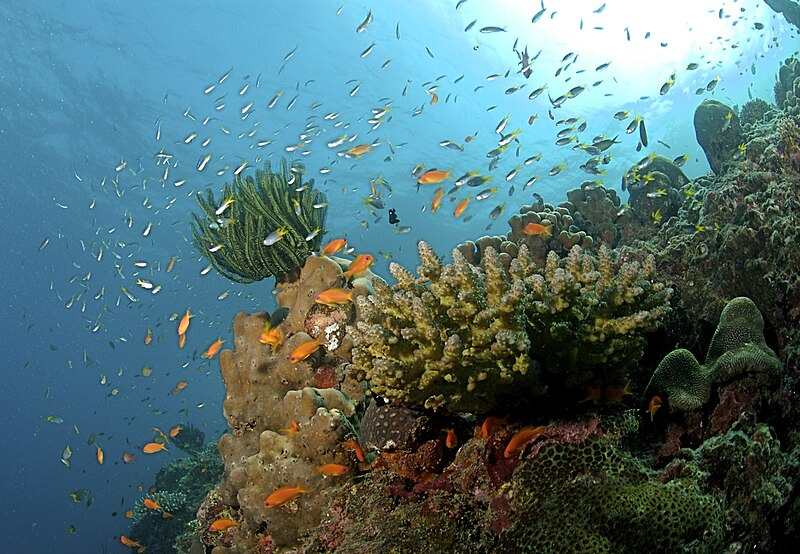
All eco-sensitive resorts use entirely renewable-energy and controlled-plastic-use policies. Visitors can enjoy exploring Havelock Island, Radhanagar Beach, and Mahatma Gandhi Marine National Park.
Plastic-free and self-sufficient, these tropical islands offer eco-sensitive travel and tourism, providing a unique balance between conservation, commercial marine tourism, and protected biodiversity in the Indian Ocean.
| Aspect | Details |
|---|---|
| Eco Title | Tropical Eco-Paradise |
| Famous For | Coral reefs, mangrove forests, marine conservation |
| Major Attractions | Radhanagar Beach, Havelock Island, Mahatma Gandhi Marine National Park |
| Eco-Friendly Practices | Controlled plastic use, eco-resorts, renewable energy initiatives |
| Unique Feature | Promotes harmony between tourism, marine life, and indigenous communities |
6. Lahaul-Spiti, Himachal Pradesh
The stark beauty and high-altitude of Lahaul-Spiti make it a truly special region of eco-sensitive travel, a cold desert, and Himalayan adventure.
The region expects visitors to travel in ways that have the least ecological impact, promoting use of local homestays, organic farming, and solar-power in the sustainable tourism ‘cold desert’ narratives.
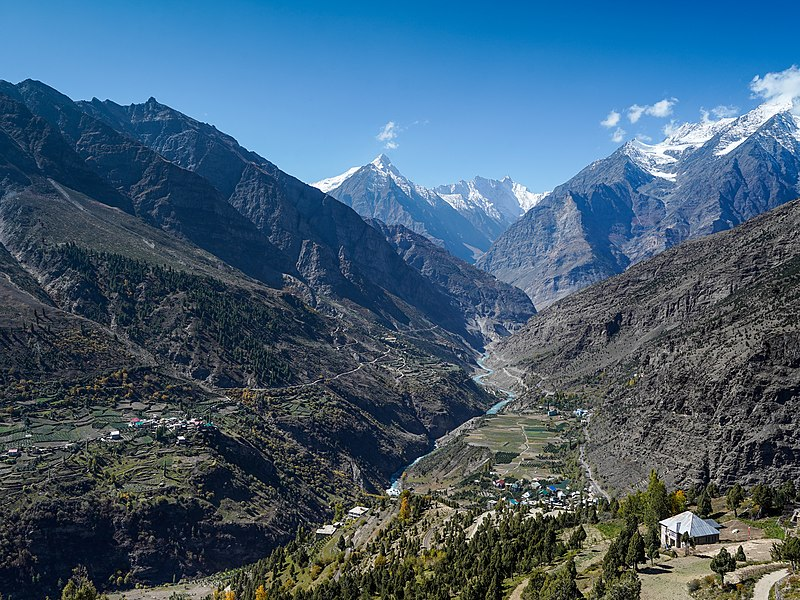
Visitors can explore ancient culturally enriching monasteries such as Key and Dhankar, and enjoy the self-sustaining, eco-sensitively developed Himalayan adventure.
Waste and water use in society is practiced within the self-sustained eco-sensitive Himalayan experience that many travelers seek.
| Aspect | Details |
|---|---|
| Eco Title | The Solar Valley of the Himalayas |
| Famous For | High-altitude deserts, monasteries, and sustainable homestays |
| Major Attractions | Key Monastery, Dhankar Monastery, Chandratal Lake, Spiti Valley |
| Eco-Friendly Practices | Solar-powered villages, waste management, organic farming |
| Unique Feature | Eco-tourism blended with Tibetan Buddhist culture |
7. Sitlakhet, Uttarakhand
Sitlakhet is located in the Kumaon region of Uttarakhand. Sitlakhet is an eco-destination that practices sustainable living.
This beautiful place situated in the lap of the himalayas provides one with tranquility, and fresh air, and is an organinc village.
At Sitlakhet one can stay in eco-lodges made of local construction materials, relish on farm to table food, and take walks in the pine forests.
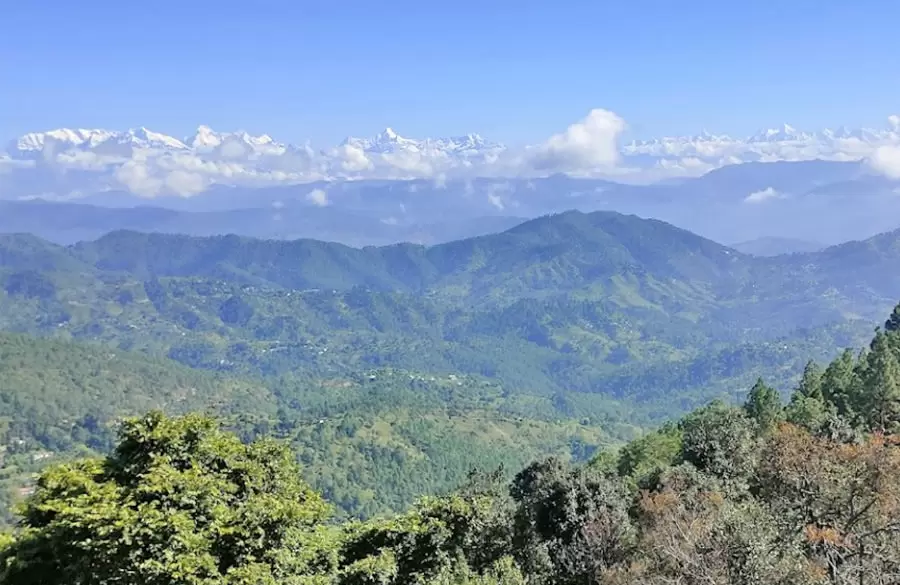
Sitlakhet is the most pristine example of community and commercial tourism. This place is devoid of mass tourism and showcases unspoilt beauty.
This is an example for the rest of Uttarakhand for its commitment to responsible tourism and unspoilt natural beauty.
| Aspect | Details |
|---|---|
| Eco Title | Hidden Eco-Gem of Kumaon |
| Famous For | Serene Himalayan views, organic farming, village tourism |
| Major Attractions | Syahi Devi Temple, Mukteshwar trails, panoramic Himalayan views |
| Eco-Friendly Practices | Locally built eco-lodges, plastic-free zones, community tourism |
| Unique Feature | Promotes rural sustainability through minimal commercial tourism |
8. Kerala (Munnar & Wayanad)
Munnar & Wayanad is an example of eco-concious tourism in southern india. The region of Munnar with its tea gardens and Wayanad with its rainforests have sustainable resorts, wildlife sanctuaries and organic plantations.
Both regions have eco-friendly tourism and activities such as trekking and bird watching and also have responsible waste management and plastic bans, and also provide their guests with agro tourism and homestays.
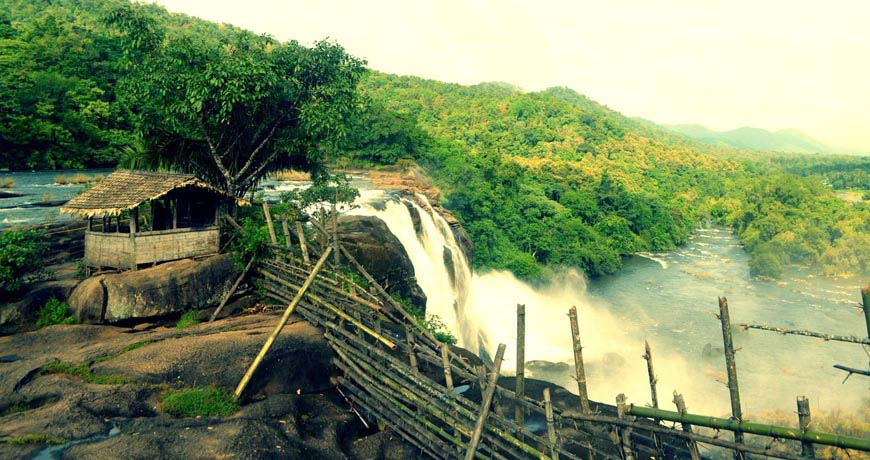
Placing eco tourism initiatives such as Wayanad Kerala balances economic growth with nature preservation.
This is why these places are a benchmark for green tourism in the country. The initiatives taken in the Kerala backwaters and forests are a wonderful example for the rest of the country.
| Aspect | Details |
|---|---|
| Eco Title | God’s Own Eco-Destination |
| Famous For | Tea gardens, rainforests, wildlife sanctuaries, backwaters |
| Major Attractions | Eravikulam National Park, Edakkal Caves, Banasura Sagar Dam |
| Eco-Friendly Practices | Plastic bans, responsible tourism, community-based ecotourism |
| Unique Feature | Statewide commitment to balancing development and conservation |
9. Coorg, Karnataka
Coorg, the “Scotland of India,” combines coffee culture with eco tourism. The Western Ghats region is home to sustainable organic coffee plantations, forested eco lodges, and the recreation of natural eco tourism lodges.
Visitors engage with the environment through plantation walks, eco friendly bathing, and river rafting.

The Kodava community of Coorg has always prepared and preserved the forested tourism for eco positive Kodava traditions.
The scenic beauty of Coorg and it’s eco positive Kodava indians is the reason it’s the first green tourism destination.
| Aspect | Details |
|---|---|
| Eco Title | The Green Heart of the Western Ghats |
| Famous For | Coffee plantations, misty hills, and rich biodiversity |
| Major Attractions | Abbey Falls, Dubare Elephant Camp, Talacauvery, coffee estates |
| Eco-Friendly Practices | Organic farming, forest conservation, eco-lodges |
| Unique Feature | Promotes sustainable agro-tourism rooted in Kodava traditions |
10. Rishikesh, Uttarakhand
Rishikesh, the “Yoga Capital of the World,” is India’s eco tourism and sustainable living tourism destination.
Eco living, zero waste and sustaining organic coffee tourism is the gift it is has through the Ganges river. The city disposes plastic and supports sustainable yoga and meditation retreats.
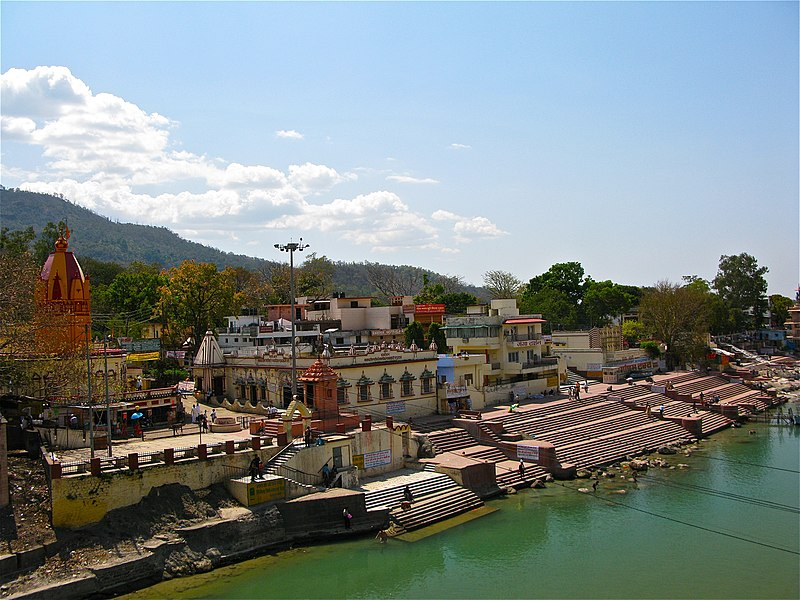
Africa and tekos love the eco code red rafting and trekking the environment. The spirituality of Rishikesh with it’s eco code and yoga is to disconnect from the over crowded and over polluted parts and reconnect with nature.
| Aspect | Details |
|---|---|
| Eco Title | Yoga Capital and Sustainable Retreat |
| Famous For | Yoga, spiritual tourism, river rafting, Himalayan treks |
| Major Attractions | Laxman Jhula, Beatles Ashram, Neer Garh Waterfall |
| Eco-Friendly Practices | Plastic-free zones, organic cafes, eco-lodges |
| Unique Feature | Combines wellness tourism with eco-conscious lifestyle practices |
Conclusion
To wrap up, India combines eco-friendly travel options with mesmerizing landscapes. Each destination, from the organic farms of Sikkim, the tidy village of Mawlynnong, and the tranquil valleys of Lahaul-Spiti, teaches lessons on sustainable tourism.
Visiting these green paradises enable nature enthusiasts to advocate for environmental preservation and community sustainable living.
FAQ
What are the best eco-conscious travel destinations in India?
Top destinations include Sikkim, Mawlynnong, Khonoma, Matheran, Coorg, Kerala, Lahaul-Spiti, Rishikesh, and the Andaman & Nicobar Islands.
Why is Sikkim known for sustainable tourism?
Sikkim is India’s first fully organic state with strict plastic bans, eco-friendly farming, and responsible trekking policies.
What makes Mawlynnong unique for eco-travelers?
Mawlynnong, “Asia’s Cleanest Village,” promotes cleanliness, bans plastic, and practices community-led waste management.
How does Matheran promote eco-tourism?
Matheran bans automobiles entirely, preserving air quality and offering pollution-free exploration through walking and horse rides.
Are there eco-friendly stays in Kerala’s Munnar and Wayanad?
Yes, both regions feature sustainable resorts, organic farms, and community-run eco-lodges that minimize environmental impact.