

This is an article about the Best Heritage Sites in Telangana. In the Telangana state, where there is an abundance of history, art, and culture, there are magnificent buildings and diverse culture.
- Key Points & Best Heritage Sites In Telangana
- 20 Best Heritage Sites In Telangana
- 1. Golconda Fort, Hyderabad
- 2. Charminar, Hyderabad
- 3. Qutb Shahi Tombs, Hyderabad
- 4. Chowmahalla Palace, Hyderabad
- 5. Falaknuma Palace, Hyderabad
- 6. Warangal Fort, Warangal
- 7. Thousand Pillar Temple, Hanamkonda
- 8. Ramappa Temple, Palampet
- 9. Bhongir Fort, Bhongir
- 10. Paigah Tombs, Hyderabad
- 11. Mecca Masjid, Hyderabad
- 12. Basar Saraswati Temple, Nirmal
- 13. Alampur Jogulamba Temple, Alampur
- 14. Khammam Fort, Khammam
- 15. Medak Cathedral, Medak
- 16. Kolanupaka Jain Temple, Kolanupaka
- 17. Nizamabad Fort, Nizamabad
- 18. Gadwal Fort, Gadwal
- 19. Elgandal Fort, Karimnagar
- 20. Sangameshwar Temple, Nirmal
- Conclusion
- FAQ
From Hyderabad’s forts and palaces to the temples and tombs scattered throughout the state, the memory of the state is captured in architecture and history.
The heritage sites are showcased in the history of the state in the art of the dynasties and the devotion of the people.
Key Points & Best Heritage Sites In Telangana
| Heritage Site | Key Points |
|---|---|
| Golconda Fort, Hyderabad | Famous for acoustics, palaces, and Fateh Rahben cannon; once capital of Qutb Shahi dynasty |
| Charminar, Hyderabad | Iconic 16th-century monument; symbol of Hyderabad; built by Sultan Muhammad Quli Qutb Shah |
| Qutb Shahi Tombs, Hyderabad | Mausoleums of Qutb Shahi rulers; Indo-Persian architecture; landscaped gardens |
| Chowmahalla Palace, Hyderabad | Seat of Asaf Jahi dynasty; elegant courtyards and halls; UNESCO Asia Pacific Heritage Award |
| Falaknuma Palace, Hyderabad | Built by Nawab Vikar-ul-Umra; later owned by Nizam; now a luxury hotel |
| Warangal Fort, Warangal | Capital of Kakatiya dynasty; remnants of fort walls, gateways, and temples |
| Thousand Pillar Temple, Hanamkonda | Built by Rudra Deva in 12th century; star-shaped shrine dedicated to Shiva, Vishnu, Surya |
| Ramappa Temple, Palampet | UNESCO World Heritage Site; Kakatiya-era temple; intricate carvings and floating bricks |
| Bhongir Fort, Bhongir | Built in 10th century by Chalukya ruler; oval-shaped hill fort with panoramic views |
| Paigah Tombs, Hyderabad | Ornate marble tombs of Paigah nobles; Indo-Islamic architecture with intricate carvings |
| Mecca Masjid, Hyderabad | One of India’s largest mosques; bricks made from soil brought from Mecca |
| Basar Saraswati Temple, Nirmal | Ancient temple dedicated to Goddess Saraswati; popular for Aksharabhyasam ritual |
| Alampur Jogulamba Temple, Alampur | One of 18 Shakti Peethas; Chalukyan architecture; Jogulamba considered fierce goddess |
| Khammam Fort, Khammam | Built by Kakatiya rulers; later expanded by Musunuri Nayaks and Qutb Shahi kings |
| Medak Cathedral, Medak | Largest church in Asia; Gothic architecture; stained glass windows depicting Christ’s life |
| Kolanupaka Jain Temple, Kolanupaka | 2,000-year-old temple; houses 5-ft idol of Lord Mahavira; important Jain pilgrimage site |
| Nizamabad Fort, Nizamabad | Built by Rashtrakutas; later occupied by Nizams; houses Jagannath temple |
| Gadwal Fort, Gadwal | Built by Gadwal rulers; known for its huge cannon and temples inside |
| Elgandal Fort, Karimnagar | Historic fort with mosques, temples, and granaries; built by Kakatiyas, later expanded |
| Sangameshwar Temple, Nirmal | Located at confluence of rivers; ancient temple dedicated to Lord Shiva |
20 Best Heritage Sites In Telangana
1. Golconda Fort, Hyderabad
The historical and architectural significance of the Golconda Fort draws thousands of tourists every year to the castle built in the 16th century by the Qutb Shahi dynasty in Hyderabad, Golconda Fort is part of the rich medieval military architecture of the country.
The fort is well known for its astonishing rock walls, and complex colluded gates, alongside its exceptional systems of acoustics, which allowed for people to clap in specific locations and hear it at the highest of the fort’s towers.

The Golconda Fort also housed the famous and much sought after diamonds, the Koh-i-Noor and the Hope diamond.
Mosques, Palaces, and hydraulic engineering (water supply systems) systems were built to add greater amenities to the Golconda Fort Complex.
Every night the castle illuminates with its grand evening light and sound performances wrapped with interesting narrative tales of its rich past, to the amazement of the onlookers.
| Famous For | Details |
|---|---|
| Diamond Trade | Hub for legendary diamonds like Koh-i-Noor and Hope. |
| Architecture | Massive granite walls, gates, and acoustic marvels. |
| Light & Sound Show | Evening show narrating the fort’s history. |
| Views | Panoramic view of Hyderabad from the top. |
| Historical Significance | Built by Qutb Shahi dynasty in the 16th century. |
2. Charminar, Hyderabad
One of the most important landmarks of Charminar, Hyderabad is the Charminar constructed in 1591 by Sultan Muhammad Quli Qutb Shah.
The monument, from its name meaning ‘Four Minarets’, showcases a combination of Indo-Islamic and Persian architectural styles.
It consists of 4 grand arches, one for each direction of the compass, with minarets that reach a height of 56 meters.
Because of the elaborative and intricate stucco work, it became the city’s cultural and commercial center. This center is enriched with the history of the city.
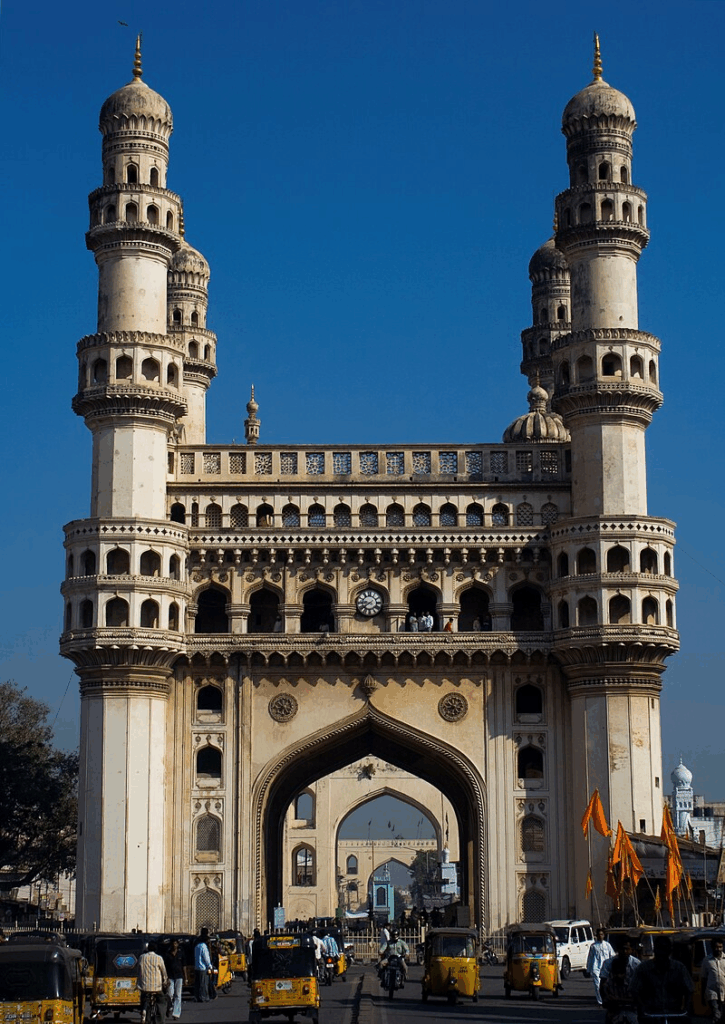
The surrounding market, laaan bazaar, enriches the history of the city and makes it a center for the purchasing and selling of traditinal jewelry and bangles.
The monument is for one of the most important places for history lovers, as well as for photographers.
It is a symbol that represents the history of the city and also it’s culture and existing keepsakes.
| Famous For | Details |
|---|---|
| Iconic Monument | Symbol of Hyderabad with four minarets. |
| Laad Bazaar | Nearby market famous for bangles and jewelry. |
| Architecture | Indo-Islamic and Persian style with intricate stucco work. |
| Cultural Significance | Built to commemorate the end of a plague. |
| Photography Spot | Popular for its vibrant cityscape and architecture. |
3. Qutb Shahi Tombs, Hyderabad
The Tombs of the Qutb Shahi dynasty are near the historical Golconda fort, built in the 16th to 17th centuries, and are notable heritage sites, demonstrating the grandeur of the Qutb Shahi dynasty.
These tombs are of mixed architectural design, with elements of Persian, Pathan and Hindu styles. Each tomb has a unique design, with a large central dome, ornate minarets and large gardens.
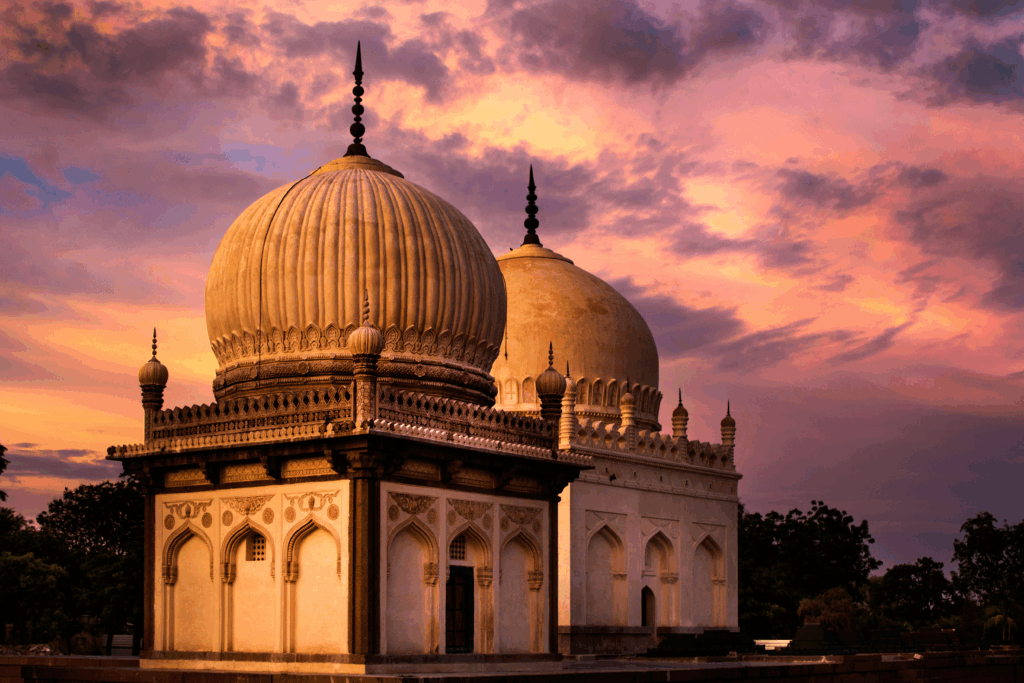
The dynasty tombs are a serene location that house the remains of the dynasty’s kings, queens and nobles.
These intricately carved tombs are royal architectural masterpieces that tell people about the lifestyles of the nobles. The tombs reflect the rich cultural heritage of the city of Hyderabad.
| Famous For | Details |
|---|---|
| Royal Tombs | Houses kings, queens, and nobles of Qutb Shahi dynasty. |
| Architecture | Blend of Persian, Pathan, and Hindu styles. |
| Gardens | Expansive landscaped gardens surrounding the tombs. |
| Historical Insight | Shows lifestyle and artistry of Qutb Shahi rulers. |
| Serenity | Peaceful atmosphere amid historic ruins. |
4. Chowmahalla Palace, Hyderabad
For its astounding 18th-century architecture, Chowmahalla Palace, the magnificent residence of the Nizams, is an architectural gem of Hyderabad.
Built over an area of 12 acres, the Palace has 4 massive courtyards, several grand halls, and landscaped gardens.
Its architectural artistry of exquisite stucco work and chandeliers, antique furniture and the like, reflects a beautiful fusion of Persian, Indo-Saracenic and European styles.
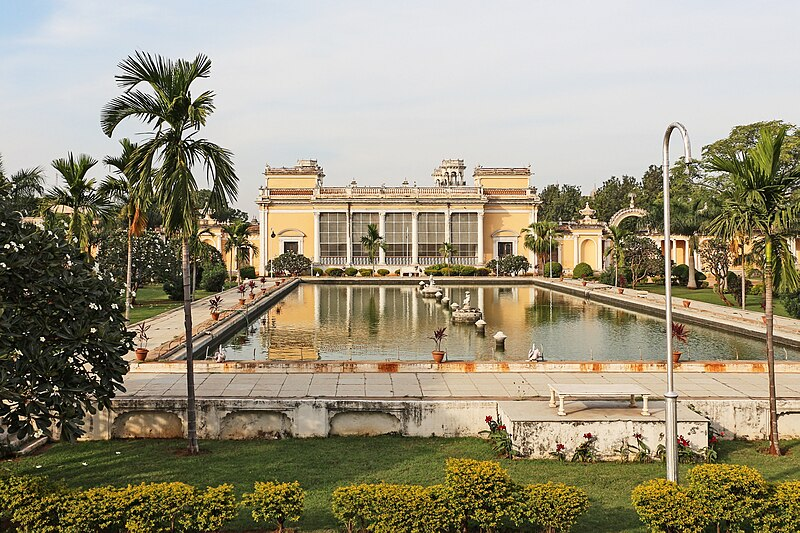
The Palace has on display the Nizam’s royal collection of ceremonial objects and vintage automobiles.
Chowmahalla Palace is renowned for its cultural significance and elegance. The Palace hosts numerous cultural activities and exhibitions
Where visitors are shown the sumptuous lifestyle of the Nizam of Hyderabad. This splendid Palace is one of the most popular historical sites in the state of Telangana.
| Famous For | Details |
|---|---|
| Nizam’s Palace | Seat of the Nizams with lavish interiors. |
| Courtyards | Four grand courtyards with ornate gardens. |
| Architecture | Persian, Indo-Saracenic, and European blend. |
| Artifacts | Royal collection including vintage cars and ceremonial items. |
| Cultural Events | Hosts exhibitions and cultural programs. |
5. Falaknuma Palace, Hyderabad
Falaknuma Palace in Hyderabad, built by Nawab Viqar-ul-Umra in the late 19th century, is located at the top of a hill.
One of the crown jewels of the region, the palace is built with a mixture of Italian and Tudor architectural styles and features grand staircases, a remarkable library with ancient manuscripts, and a ballroom.
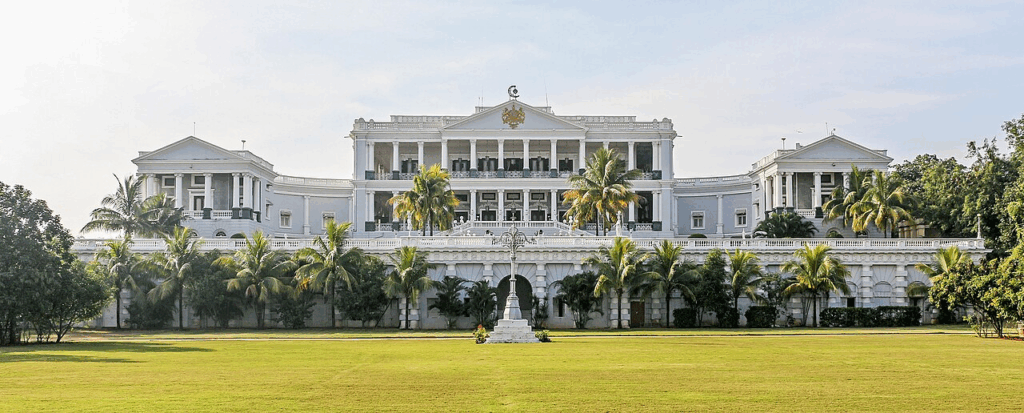
The palace is situtated in the middle of a 32-acre property with great views of Hyderabad, including historical gardens and works of glass and marble nestled around the property.
The property served the royal family until it was converted into a modern luxury hotel, preserving a piece of the region’s historical charm.
The combination of architecture, history, and opulence make it one of the most fascinating places to visit in the region.
| Famous For | Details |
|---|---|
| Architectural Style | Italian and Tudor style palace. |
| Royal Residence | Former home of Nawab Viqar-ul-Umra. |
| Luxury Hotel | Now operates as a luxury heritage hotel. |
| Panoramic Views | Overlooks Hyderabad cityscape. |
| Interiors | Grand staircases, library with rare manuscripts. |
6. Warangal Fort, Warangal
The fort is a significant and beautiful testimony of the Kakatiya Fort which was built in the 13th century.
The fort is known for Kakatiya Torana, a stone archway, and the intricately carved mythical structures and designs.
The fort was originally built as a military fort and has a moat with concentric walls and a royal complex.
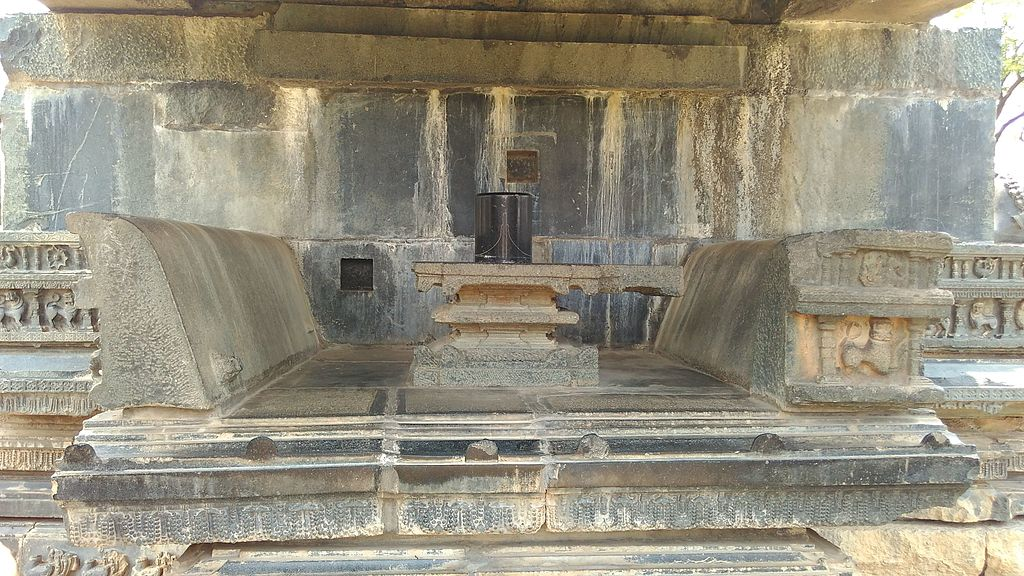
The structures in the fort were built with great care and precision which displays the abilities of the Kakatiya rulers in architecture and fine arts.
The fort is a favorite site for history buffs as the ruins located in the site have a lot of historical value and are great for photography.
The Warangal Fort is and will always be a symbol to tell the story of medieval Telangana.
| Famous For | Details |
|---|---|
| Kakatiya Toranas | Iconic stone gateways with carvings. |
| Ruins | Remnants of moats, walls, and royal structures. |
| Architecture | Advanced engineering and defense features. |
| Photography | Popular spot for historical photography. |
| Cultural Legacy | Testament to Kakatiya dynasty heritage. |
7. Thousand Pillar Temple, Hanamkonda
Thousand Pillar Temple in Hanamkonda, which is dedicated to the deities Shiva, Vishnu, and Surya, is most recognized for its sculptures and other intricately detailed architectural features.
The temple is a site of religious and architectural significance, and although it has been the target of structural damage due to attack over the years, it continues to hold its architectural significance.
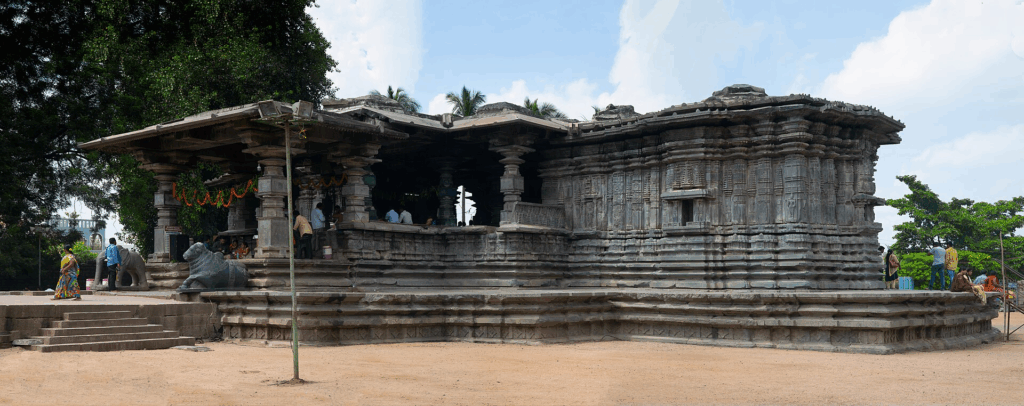
The temple also has a unique star-shaped main altar considered an example of the advanced artistry and architecture of the time.
The temple is reflective of the Kakatiya dynasty’s sheer devotion and artistry and is a prominent historical site in the southern Indian region of the Indian state of Telangana.
| Famous For | Details |
|---|---|
| Pillars | Intricately carved stone pillars. |
| Star-shaped Sanctum | Unique architectural feature. |
| Multi-deity Worship | Dedicated to Shiva, Vishnu, and Surya. |
| Sculptures | Detailed ceilings and stone carvings. |
| Historical Significance | Built during Kakatiya dynasty in 12th century. |
8. Ramappa Temple, Palampet
Palampet is home to the UNESCO World Heritage Site, Ramappa Temple. Characterized by Kakatiya-style architecture, Ramappa Temple is dedicated to Shiva.
It was constructed in the 13th century and, along with detailed carvings, also has pillars, sculptures of dancers, and even a large Nandi.
The ornate sculptures also stand testament to the artistic prowess of the Kakatiya period.
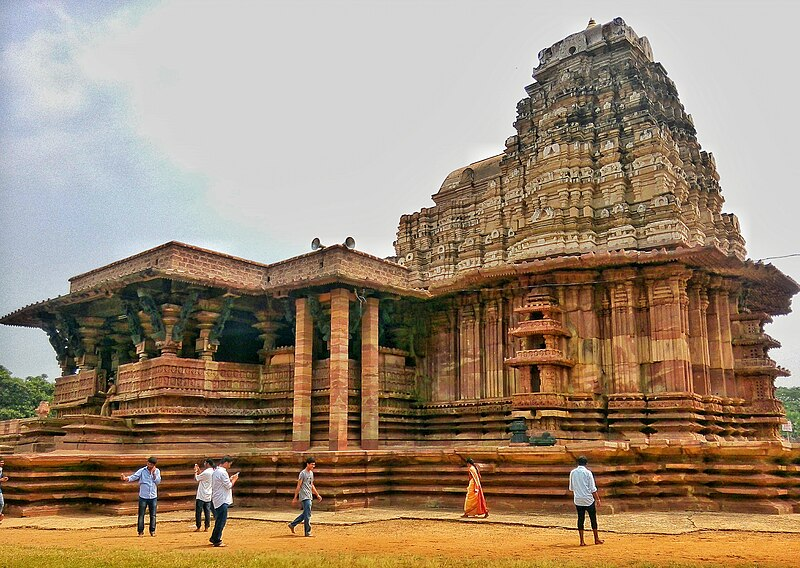
The temple made use of innovative methods to guarantee survivability against centuries of weather abuse, and is therefore, a testament to the advanced engineering of the time.
Ramappa Temple is a finely-preserved testament and example of the rich cultural tapestry as well as the architectural history of the state.
| Famous For | Details |
|---|---|
| UNESCO Site | Recognized for outstanding Kakatiya architecture. |
| Floating Foundation | Built on unique sandstone base. |
| Sculptures | Carvings of dancers, musicians, and deities. |
| Nandi Statue | Massive monolithic bull sculpture. |
| Advanced Engineering | Temple structure survives centuries of wear. |
9. Bhongir Fort, Bhongir
This historic fort was built by the Western Chalukyas in the 10th century and is located on a monolithic rock in Bhongir, Telangana.
The fort has a 500-foot rock, providing a strategic height for an observation point for the surrounding areas.
Due to the fortified walls, massive gates, and rough terrain, the fort had been won and lost several times.
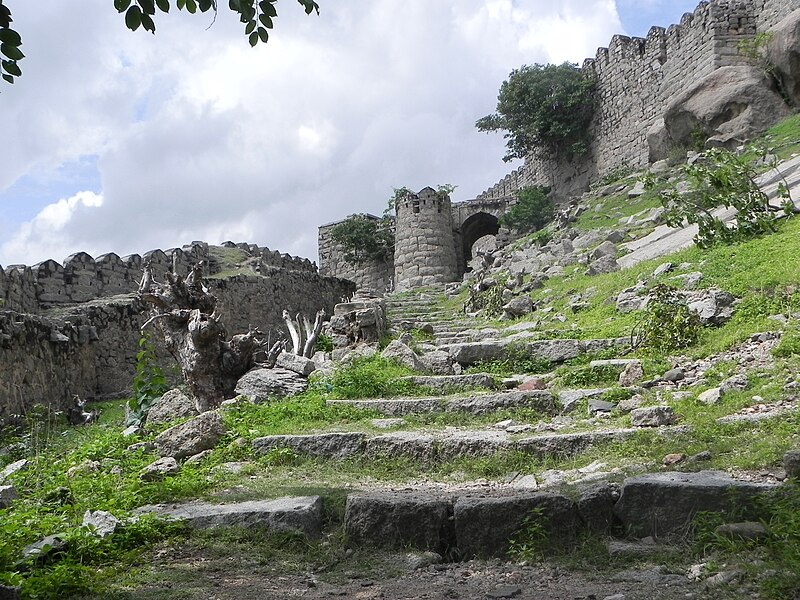
The old inscriptions reveal the cultural and religious history of the area. The historic ruins are an added motivation for many trekkers.
A true representation of Telangana medieval military architecture the Bhongir Fort is of great historic importance.
| Famous For | Details |
|---|---|
| Hilltop Fort | Built on a 500-foot monolithic rock. |
| Strategic Defense | Key historical military stronghold. |
| Trekking | Popular for adventurous treks. |
| Architecture | Massive gates and rugged fort walls. |
| Historic Inscriptions | Ancient carvings inside the fort. |
10. Paigah Tombs, Hyderabad
The Paigah Tombs are a testament to the fine architecture of the Paigah family, who were nobles closely associated with the Nizams of Hyderabad.
These tombs were built between the 17th to 19th centuries and were made with great detail and care, including fine marble engravings, geometric designs, and intricate lattice work.
These tombs are set in a manicured garden, further enhancing the peaceful atmosphere.
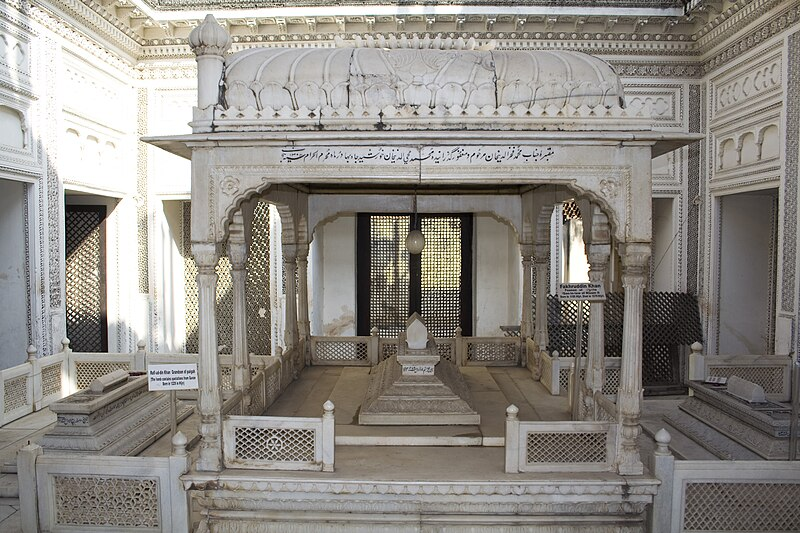
Each of the tombs is a testimony to the craftsmanship and devotion of the Paigah nobles and stands a monuments to their power and cultural dominance.
The Paigah Tombs are a significant part of the fine aristocratic history and architecture of Hyderabad, and are of great interest to many historians, tourists, and photographers.
| Famous For | Details |
|---|---|
| Aristocratic Tombs | Built by the Paigah nobles. |
| Marble Carvings | Intricate geometric and lattice work. |
| Gardens | Beautiful landscaped surroundings. |
| Architectural Brilliance | Blend of Islamic and local styles. |
| Historical Significance | Reflects influence of Hyderabad’s nobility. |
11. Mecca Masjid, Hyderabad
One of the biggest mosques in the country, Mecca Masjid, is situated in the center of Hyderabad city.
This mosque was built in the 17th century by the Qutb Shahi dynasty, using huge blocks of granite, with the central arch made from a single block.
The name of the mosque comes from the”mecca bricks made from the soil brought from Mecca.
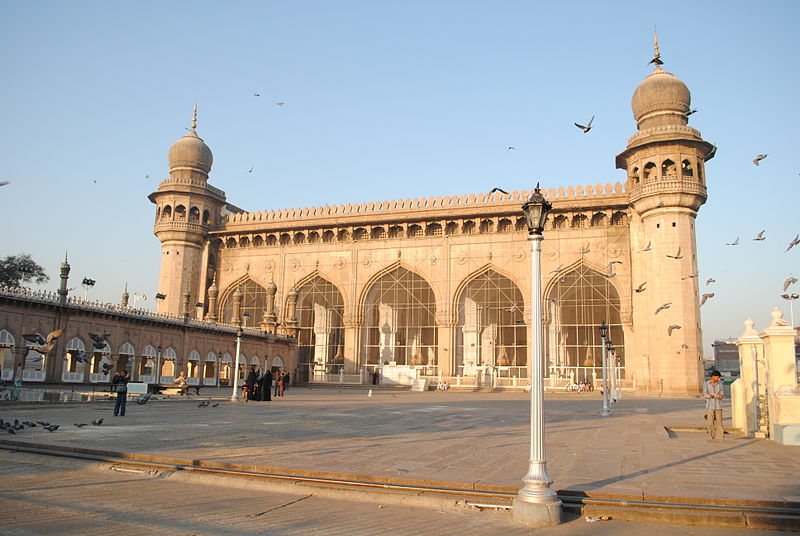
The mosque has a massive hall for prayers, and the many arches and towering minarets of the mosque are a wonderful example of Insto-Islamic architecture.
This mosque is also a main place for worship, and a tribute to the historical Islamic culture of Hyderabad.
The peaceful atmosphere and wonderful historical architecture of the mosque makes it a popular destination for tourists and people who appreciate history.
| Features | Details |
|---|---|
| Size | One of the largest mosques in India. |
| Construction | Built with massive granite blocks, central arch from a single stone. |
| Religious Importance | Place of worship and spiritual center for Muslims. |
| Architecture | Indo-Islamic style with grand arches and majestic minarets. |
| Historical Significance | Constructed during Qutb Shahi dynasty in the 17th century. |
| Unique Fact | Bricks made from soil brought from Mecca. |
12. Basar Saraswati Temple, Nirmal
The temple also dedicated to Goddess Saraswati, Mother of knowledge and learning. Basar Saraswati Temple is located on the banks of the Godavari River in Nirmal,
Telangana, and is well known for attracting devotees and scholars and students to the Akshara Abyasam ceremony.
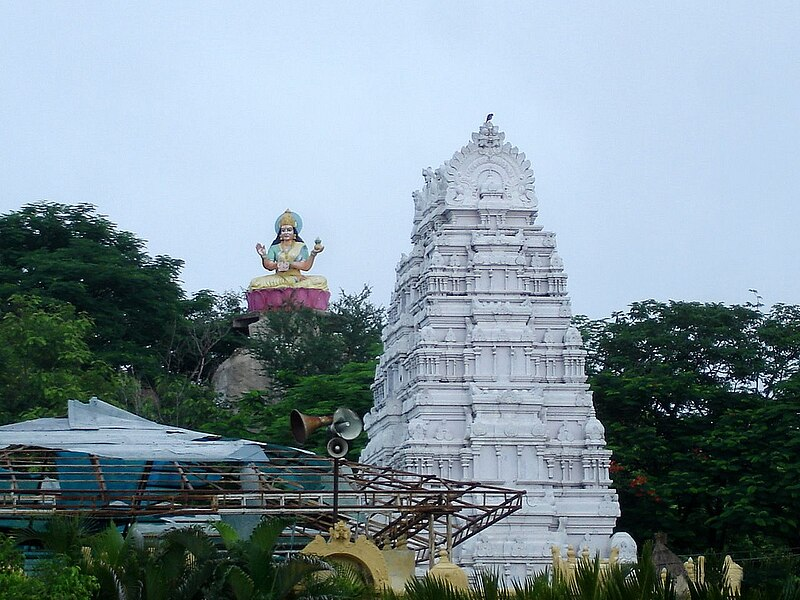
It is a temple for students. The temple’s architectural design represents and features many standard and classical designs of southern India, along with carved details.
The temple is also valued for the flowing Godavari River, creating a peaceful environment for worship. The temple features and represents the Reliģion’s and also the culture of southern India.
| Features | Details |
|---|---|
| Deity | Dedicated to Goddess Saraswati, goddess of knowledge. |
| Location | On the banks of the Godavari River. |
| Cultural Significance | Famous for Akshara Abyasam, where children begin learning. |
| Architecture | Traditional South Indian style with intricate carvings. |
| Spiritual Atmosphere | Peaceful surroundings ideal for meditation and worship. |
| Pilgrimage | Popular among students, scholars, and devotees. |
13. Alampur Jogulamba Temple, Alampur
Alampur Jogulamba Temple in Alampur is one of 18 Shakti Peethas in India and is devoted to Goddess Jogulamba.
This modern-day temple is set against the backdrop of the 7th-century Navabrahma temple ruins.
During the Navaratri season, Jumalamba has a huge devotee presence. Festivals and the temple’s holy enclosure add to the popularity of the temple.
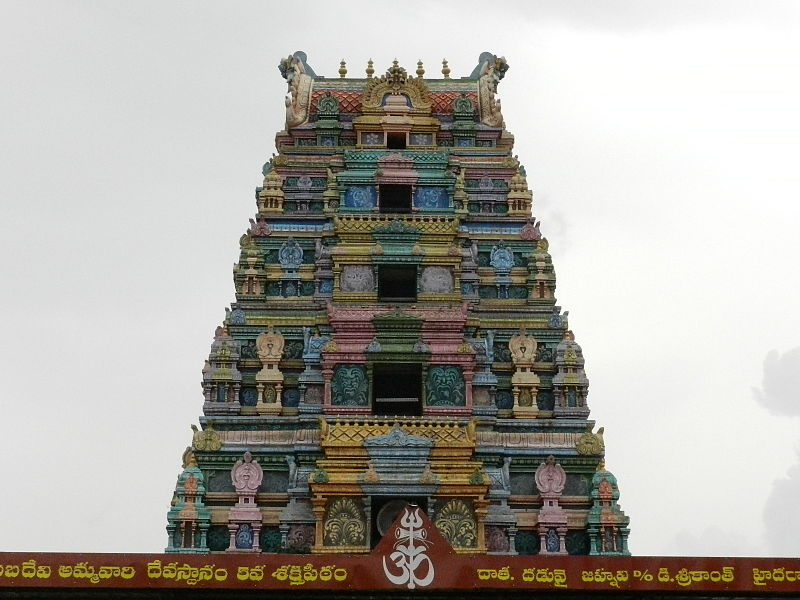
The temple is a testament to the rich religious, architectural traditions of the region, and the intricate stone carvings showcase the temple’s traditional styles of construction.
The Jogulamba temple is a testament to the rich spirituality and pilgrimage from the region.
| Features | Details |
|---|---|
| Deity | Dedicated to Goddess Jogulamba, one of the 18 Shakti Peethas. |
| Historical Site | Situated amidst 7th-century Navabrahma temple ruins. |
| Festivals | Navaratri celebrations attract thousands of devotees. |
| Architecture | Stone carvings, traditional South Indian style. |
| Religious Importance | Major pilgrimage center in Telangana. |
| Cultural Significance | Blend of ancient heritage and spiritual devotion. |
14. Khammam Fort, Khammam
Khammam Fort is located in Khammam, Telangana, and was built during the Kakatiya dynasty and later upgraded by the Qutb Shahi dynasty.
The medieval European-style, cross-section fort overlooks the town, and is surrounded by walls seamstone, bastions, andwatchtowers.
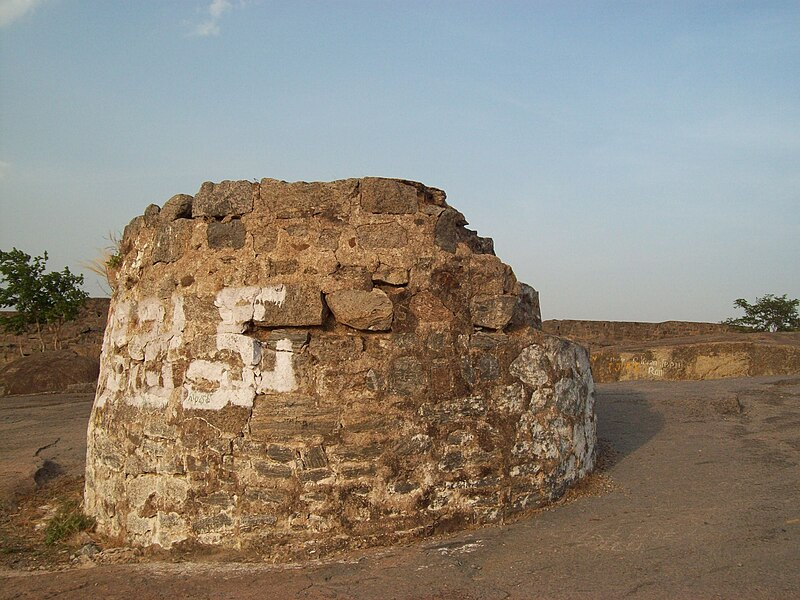
The fort and the town below and the countryside surroundings fort have been pivotal in warfare and used for strategic defense, thereby important for the palaces and temples.
The fort has been an important for battles, and offers Khammam Fort is still an important piece for architectural history in Telangana.
| Features | Details |
|---|---|
| Hilltop Fort | Built on elevated terrain for strategic advantage. |
| Architecture | Thick stone walls, bastions, gates, and watchtowers. |
| Historical Significance | Built by Kakatiya dynasty, expanded by Qutb Shahis. |
| Internal Structures | Remnants of palaces, granaries, and temples inside. |
| Views | Panoramic view of Khammam town and surrounding countryside. |
| Tourist Attraction | Popular for trekking and heritage exploration. |
15. Medak Cathedral, Medak
One of the largest churches in India, Medak Cathedral in Medak, Telangana, was built in 1914 by British missionary Rev. Charles Walker Posnett.
This majestic cathedral, designed in the Gothic architectural style, has an abundance of towering spires, pointed arches, and stained glass depicting scenes from the Bible.
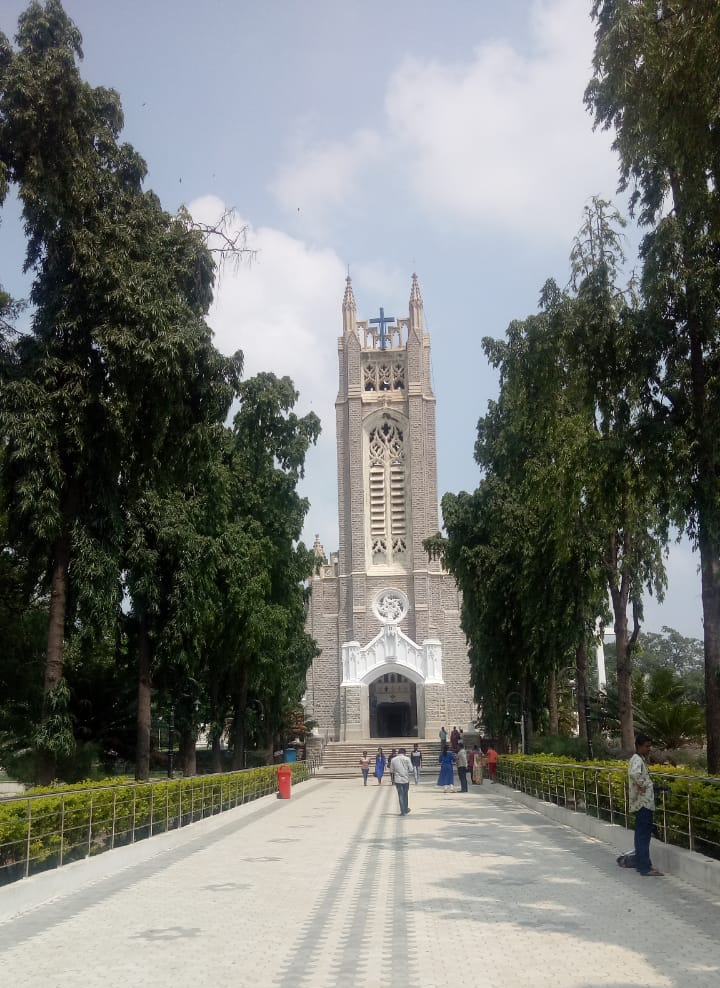
Wooden pews and a high altar of the cathedral’s spacious and serene interior, which still ultimately functions as the center of Christian worship and the cultural center of the community Medak, which is the seat of the Diocese of Medak.
Medak Cathedral has an abundance of remarkable architecture, and is a fine example of a heritage site and a spiritual center in the state of Telangana.
| Features | Details |
|---|---|
| Size | One of the largest churches in India. |
| Construction | Built in 1914 by British missionary Rev. C.W. Posnett. |
| Architecture | Gothic style with pointed arches, tall spires, and stained-glass windows. |
| Interior | Spacious with wooden pews and high altar. |
| Religious Importance | Seat of Diocese of Medak, center for Christian worship. |
| Cultural Significance | Venue for community events and religious gatherings. |
16. Kolanupaka Jain Temple, Kolanupaka
Constructed during the 4th to the 6th centuries, Kolanupaka Jain Temple of Kolanupaka, Telangana, is a remarkable religious shrine founded in honor of Lord Rishabhanatha.
This old temple is a showcase of Jain early architecture and its various forms of artistic expressions like the meticulous decorations
The fine stone sculptures, and the calmness of the courtyard. Kolanupaka Jain Temple is notable in the Jain religious pilgrimages, where the devotees and the priests perform the worshiping activities with great zeal.
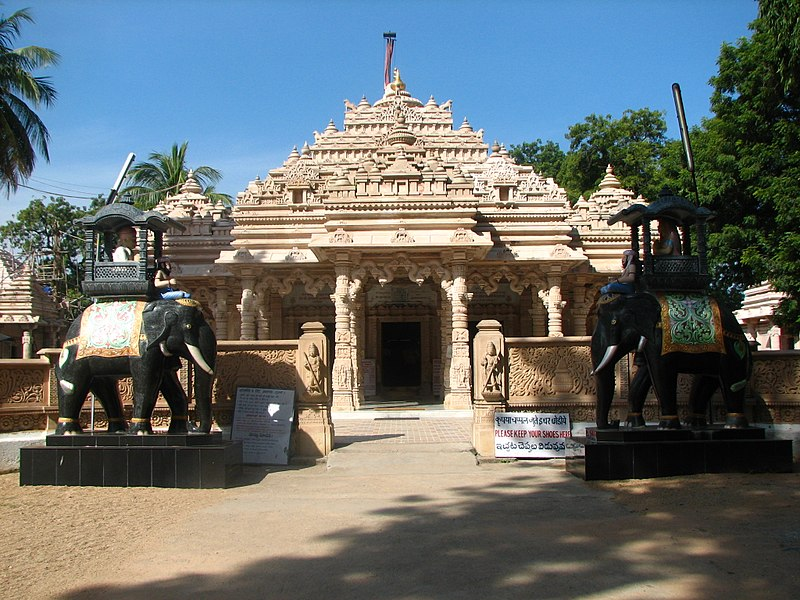
Kolanupaka Jain Temple is and has always been of great importance to devote worshippers, as well as historians
And people for its architectural beauty and rich history. Kolanupaka Jain Temple is a rich, multifaceted architectural treasure is and has always been a great treasure for the greater Telangana.
| Features | Details |
|---|---|
| Deity | Dedicated to Lord Rishabhanatha (Adinatha). |
| Historical Significance | Dates back to 4th–6th century, one of the oldest Jain temples in Telangana. |
| Architecture | Intricate carvings, elaborate stone sculptures, and serene courtyard. |
| Religious Importance | Important pilgrimage site for Jains. |
| Festivals | Hosts annual Jain rituals and celebrations. |
| Cultural Value | Reflects early Jain architectural and cultural influence in the region. |
17. Nizamabad Fort, Nizamabad
Located in Nizamabad, Telangana, Nizamabad Fort is an ancient structure constructed way back in the 10th century.
The fort is built on a high foundation and has thick walls, strategic entrances, and observation towers.
Over the years, the Kakatiya, Qutb Shahi, and Asaf Jahi rulers have all had control and added to the architecture.

The fort walls also surround a mosque and several ancient temples. Because of the fort’s high vantage point, it has a commanding view of the entire Nizamabad town.
The fort remains a symbol of the town’s rich and diverse history. The fort’s fine architecture and scenic views provide a unique experience to all visitors making it one of the most prominent historical sites of the state.
| Features | Details |
|---|---|
| Age | Dates back to 10th century. |
| Architecture | Thick walls, strategic gateways, watchtowers. |
| Historical Significance | Controlled by Kakatiya, Qutb Shahi, and Asaf Jahi rulers. |
| Internal Structures | Contains a mosque and several ancient temples. |
| Views | Elevated position provides panoramic views of Nizamabad town. |
| Tourist Attraction | Popular heritage site showcasing military and cultural history. |
18. Gadwal Fort, Gadwal
The fort lies in the small town of Gadwal Telangana, in the heart of the Deccan, and was built by the Gadwal rulers in the 17th century.
The fort is a unique combination of defensive and residential architectures. It remained a palace and a fort at the same time, with thick stone walls and watchtowers.
The fort also has a beautiful temple and a pond, in a union of fortification and spirituality.
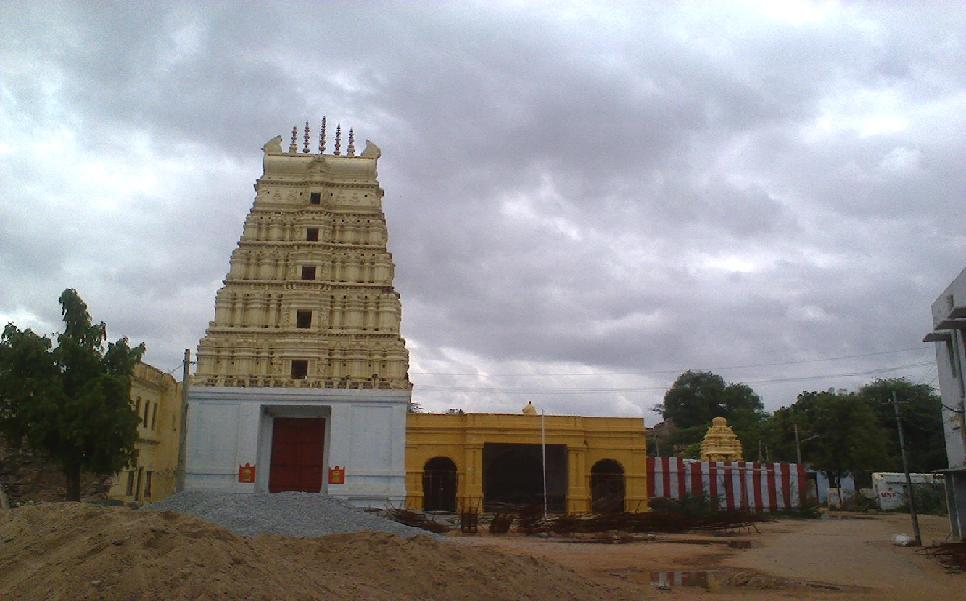
The fort is strategically located, and so, is the center of defense and power of the region. The defenssive architecture, and the charming view are the highlights of Gadwal Fort,
And make it stand tall and proud, with an impressive history, and are the reason it is the representation of ancient Telangana.
| Features | Details |
|---|---|
| Construction | Built in 17th century by Gadwal rulers. |
| Architecture | Blend of defensive fort walls and residential palace structures. |
| Internal Features | Houses a temple, pond, and royal quarters. |
| Strategic Importance | Historically significant for defense and administration. |
| Scenic Views | Provides panoramic views of the surrounding landscape. |
| Cultural Significance | Represents Telangana’s medieval heritage and architecture. |
19. Elgandal Fort, Karimnagar
Elgandal Fort is located near Karimnagar, in Telangana, and is a hilltop fort, with a glorious past, with so many dynasties of Kakatiyas, as well as the Qutb Shahis.
The fort is built with big stone walls with bastions, and huge strong gates. It was a military fort, as well as a big center for the ruling administration.
The fort has an ideal strategic position in the area, with an incredible view of the fort. The fort has royal quarter, and temples inside, along with some ancient water pouches, showing the great design of architecture and functionality.
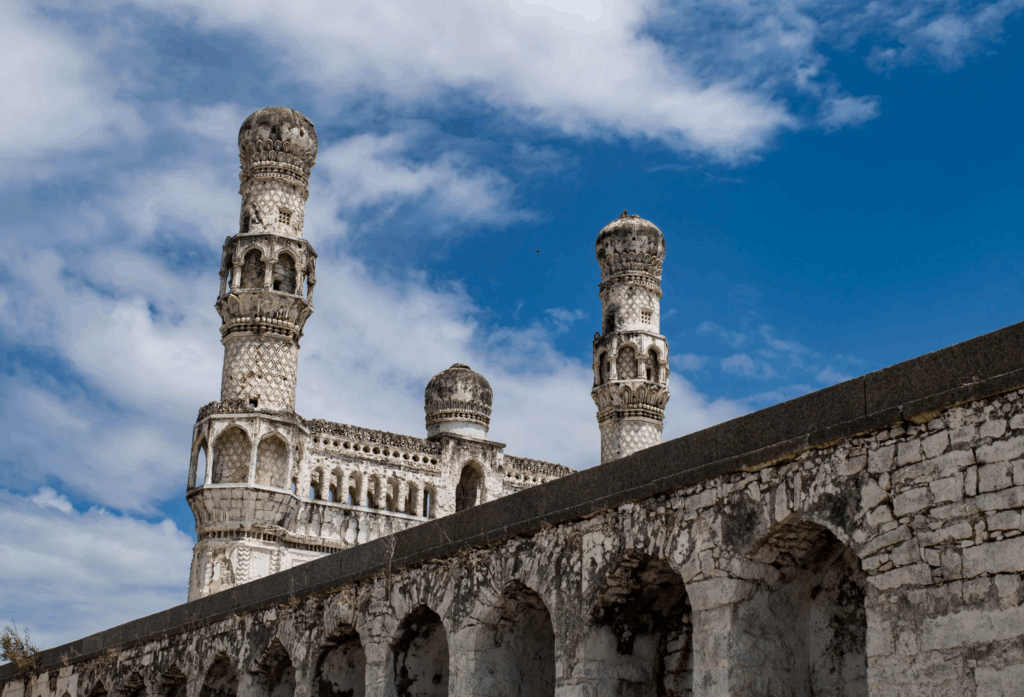
The fort is one of the prime samples of the medieval grand architecture of Telangana. The fort is a representation of the historical significance and strategic position of the region and also of the great courage and propose of the people.
The fort along with history also offers a great tracking and photography, and is perfect for people who seek history and calm.
| Features | Details |
|---|---|
| Location | Hilltop fort near Karimnagar. |
| Architecture | Massive stone walls, bastions, gates, and water reservoirs. |
| Historical Importance | Used by Kakatiyas, Qutb Shahis, and other dynasties. |
| Internal Structures | Remnants of royal quarters and temples. |
| Views | Offers scenic views of surrounding areas. |
| Tourist Attraction | Popular for trekking and historical exploration. |
20. Sangameshwar Temple, Nirmal
Located at the meeting point of the rivulets, temple of Sangameshwar is one of the most revered of all ancient Shiva temples of the town of Nirmal, Telangana state.
The temple has calm and peace friendly attributes in its surrounding. It is famous for its traditional and religious architectural design.
During the Maha Shivratri period, devotees and piilgrims scout the temple grounds in performative ancient (ritualistic) prayer for themselves and for the blessings of the deity.
The temple has a perfect combination of spiritual and architectural stone heriatge, as is reflected in the intricate carvings
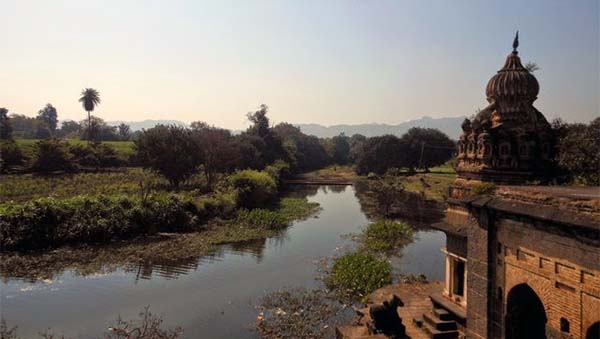
The artistic rendering of the river sanctum, and the calm architectural composition of the temple grounds in absoultely quiet river settings.
The temple hosts a multitude of state pilgrim attracting temples of great local importance, local culture and ancient traditions.
As the embodiment of temple heritage and architectural design of the Telangana state, the Sangameshwar Temple is a great historical site.
| Features | Details |
|---|---|
| Deity | Dedicated to Lord Shiva. |
| Location | Situated at the confluence of rivers, symbolizing purity. |
| Architecture | Traditional stone carvings and sanctum design. |
| Spiritual Significance | Devotees perform rituals, especially during Maha Shivaratri. |
| Cultural Importance | Hosts local festivals attracting pilgrims from across Telangana. |
| Scenic Surroundings | Tranquil riverside setting enhances spiritual experience. |
Conclusion
To conclude, the heritage sites of the Telangana region reflect the history, architectural diversity, and cultural diversity of the state.
Starting from the glorious Hyderabad forts and palaces, all the way to the ancient temples in Warangal, Nirmal, and Alampur
Every heritage site has its own legacy story, which includes devotion and artistry. Visiting such sites leaves one with an everlasting connection to the legacy of Telangana and its heritage.
FAQ
Which is the most famous fort in Telangana?
Golconda Fort in Hyderabad is the most iconic, known for its architecture and diamond trade history.
What is the significance of Charminar?
Charminar is Hyderabad’s symbol, famous for its four minarets, historic markets, and Indo-Islamic architecture.
Are there UNESCO World Heritage Sites in Telangana?
Yes, the Ramappa Temple in Palampet is a UNESCO World Heritage Site.
Which palace showcases the Nizam’s lifestyle?
Chowmahalla Palace and Falaknuma Palace in Hyderabad reflect the grandeur of the Nizams.
Which forts are popular for trekking?
Bhongir Fort, Khammam Fort, Elgandal Fort, and Gadwal Fort are popular trekking destinations.