

Uttar Pradesh is historically and culturally rich with remarkable architecture. This paper elaborates on Uttar Pradesh’s heritage.
- Key Points & Best Heritage Sites In Uttar Pradesh
- 20 Best Heritage Sites In Uttar Pradesh
- 1. Taj Mahal, Agra
- 2. Agra Fort
- 3. Fatehpur Sikri
- 4. Akbar’s Tomb, Sikandra
- 5. Itmad-ud-Daulah’s Tomb
- 6. Jhansi Fort
- 7. Allahabad Fort
- 8. Varanasi Ghats
- 9. Sarnath
- 10. Ayodhya
- 11. Lucknow Residency
- 12. Chunar Fort
- 13. Bara Imambara, Lucknow
- 14. Rumi Darwaza, Lucknow
- 15. Khusro Bagh, Prayagraj
- 16. Ram Bagh, Agra
- 17. Swami Bagh Samadhi, Agra
- 18. Jama Masjid, Agra
- 19. Shahi Qila, Jaunpur
- 20. Deogarh Fort
- Conclsuion
- FAQ
Over the years, the Taj Mahal and Varanasi Ghats in Agra alongside the mighty forts, Chunar and Jhansi, have become heritage symbols.
Nationwide and worldwide, these places represent the architecture and culture of the Mughals, Hindus, and various regional people.
Key Points & Best Heritage Sites In Uttar Pradesh
| Heritage Site | Key Point |
|---|---|
| Taj Mahal, Agra | UNESCO World Heritage Site, symbol of eternal love built by Shah Jahan |
| Agra Fort | Massive Mughal fort with palaces, mosques, and audience halls |
| Fatehpur Sikri | Abandoned Mughal capital with Buland Darwaza and Jama Masjid |
| Akbar’s Tomb, Sikandra | Grand mausoleum of Emperor Akbar blending Hindu, Islamic, and Persian styles |
| Itmad-ud-Daulah’s Tomb | Known as “Baby Taj,” first Mughal monument built entirely of marble |
| Jhansi Fort | Historic fort linked to Rani Lakshmibai and 1857 revolt |
| Allahabad Fort | Built by Akbar, houses Ashoka Pillar and Saraswati Kund |
| Varanasi Ghats | Sacred riverfront steps along the Ganga, center of Hindu spirituality |
| Sarnath | Buddhist site where Lord Buddha gave his first sermon |
| Ayodhya | Birthplace of Lord Rama, important Hindu pilgrimage site |
| Lucknow Residency | Site of 1857 revolt, preserved ruins of British Residency |
| Chunar Fort | Ancient fort with history from Mauryan to Mughal periods |
| Bara Imambara, Lucknow | Nawabi monument famous for its central hall and Bhool Bhulaiya maze |
| Rumi Darwaza, Lucknow | Iconic Mughal-style gateway built by Nawab Asaf-ud-Daula |
| Khusro Bagh, Prayagraj | Mughal garden housing tombs of Khusro, son of Jahangir |
| Ram Bagh, Agra | Oldest Mughal garden laid by Babur |
| Swami Bagh Samadhi, Agra | Ornate mausoleum of Radhasoami faith founder |
| Jama Masjid, Agra | Large mosque built by Shah Jahan’s daughter Jahanara Begum |
| Shahi Qila, Jaunpur | Fort built by Sharqi rulers, showcases Indo-Islamic architecture |
| Deogarh Fort | Historic fort with Jain temples and sculptures |
20 Best Heritage Sites In Uttar Pradesh
1. Taj Mahal, Agra
The Taj Mahal as one of the Seven Wonders of the World, is the most celebrated monument in Agra and one of the most photographed buildings in the world.
Taj Mahal has become a world icon of love as it was built by the great Mughal Emperor Shah Jahan in memory of his beloved wife Mumtaz Mahal.
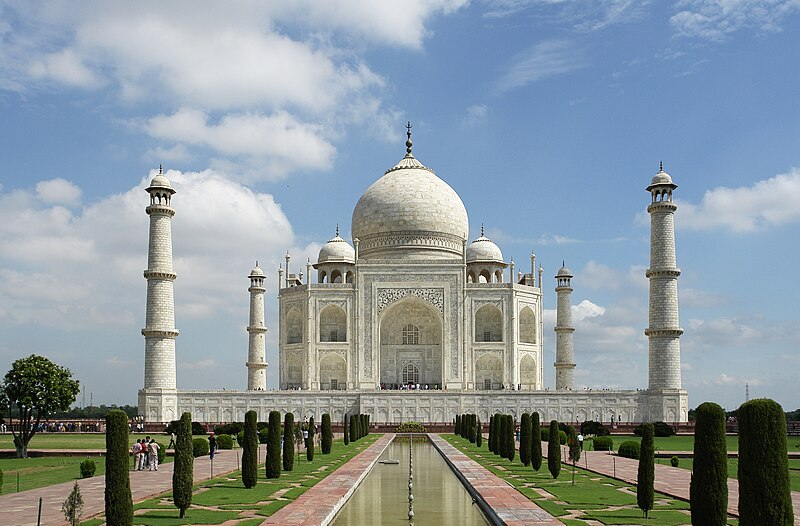
As a World Heritage Site, it has become a symbol of India around the globe and receives thousands of visitors from every part of the world every year.
| Famous Things |
|---|
| Iconic white marble dome |
| Minarets and reflecting pool |
| Intricate inlay work with precious stones |
| Symmetrical Mughal gardens (charbagh) |
| UNESCO World Heritage Site |
| Symbol of love and romance |
| Mughal architectural masterpiece |
2. Agra Fort
Another historical landmark in Agra is the Agra Fort. Fort has a stunning collection of red sandstone buildings that display a remarkable mix of defensive military architecture and lavish residential palaces, built with decorative gardens and walks.

The Agra Fort is a World Heritage Site. It was built in the mid– 16th century by the Mughal Empror Akbar. The Fort is located on the banks of the Yamuna River.
The Agra Fort is also of great historical significance to the Mugal Empire because of politics and the architecture.
| Famous Things |
|---|
| Jahangir’s Palace |
| Diwan-i-Khas (Hall of Private Audience) |
| Pearl Mosque (Moti Masjid) |
| Massive red sandstone walls |
| Strategic view of the Yamuna River |
| Mughal-era defense architecture |
| UNESCO World Heritage Site |
3. Fatehpur Sikri
Fatehpur Sikri was a capital of the Mughal Empire during the reign of Emperor Akbar. Located near Agra, Fatehpur Sikri was constructed with red sandstone in the late 16th century, and is a prime sample of Mughal architecture.
Elements of the complex include the Buland Darwaza, Jama Masjid, Panch Mahal, and the tombs of Sufi saints, and is now a \UNESCO World Heritage Site.
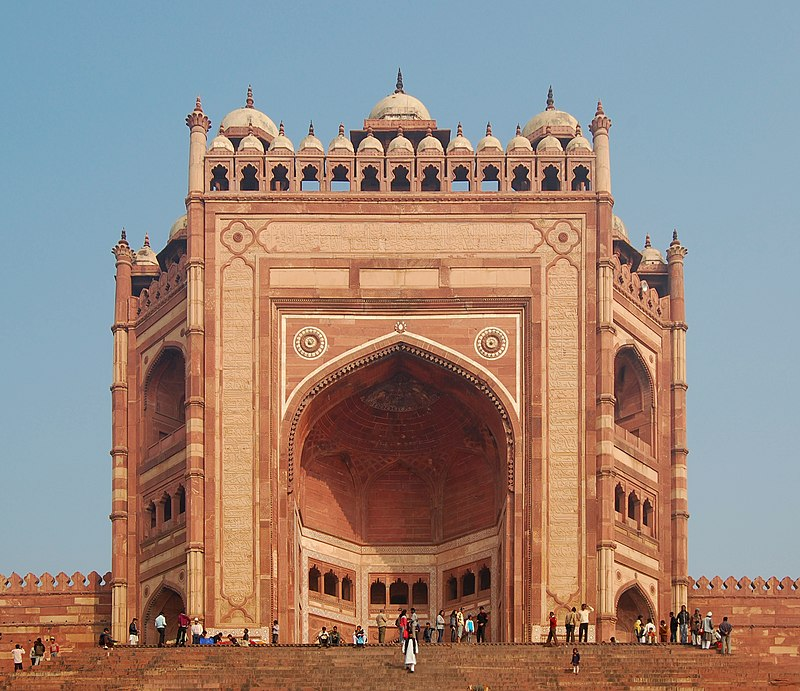
Although it suffers from abandoned facilities due to dry spells, the palaces, courtyards, and structures of religious significance are in good condition.
Akbar was in control of political mastery and cultural synthesis, which is a fine example for a mixture of Hindu and Islamic architectural styles.
| Famous Things |
|---|
| Buland Darwaza (Victory Gate) |
| Jama Masjid |
| Panch Mahal |
| Tomb of Salim Chishti |
| Red sandstone architecture |
| Blend of Hindu and Islamic styles |
| UNESCO World Heritage Site |
4. Akbar’s Tomb, Sikandra
The tomb of Akbar the Great, located in Sikandra, Agra, is a splendid piece of Mughal architecture and is the burial site of Emperor Akbar.
Built in the early 17th Century, the tomb is constructed in red sandstone and marble and is decorated with fine detail carvings, gardens of the charbagh design, and ornamental geometrical styles.
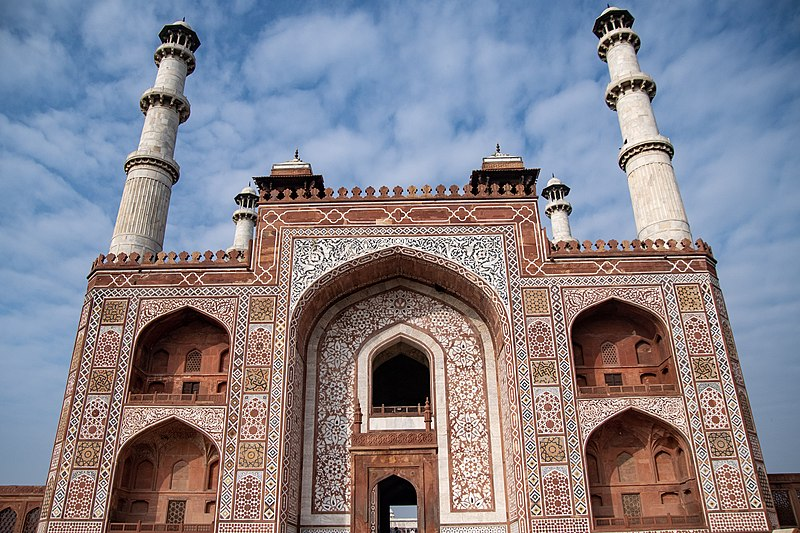
The tomb is notable for a blend of Islamic, Hindu, and Persian architecture and is a symbol of the incredible overview of Akbar’s reign.
Surrounded by zen gardens with plenty of greenery, the tomb is an astounding piece of architecture and history, and is a well-known landmark of the region.
| Famous Things |
|---|
| Charbagh-style gardens |
| Ornate gateways and latticed screens |
| Red sandstone and marble carvings |
| Islamic, Hindu, and Persian architectural blend |
| Tomb of Emperor Akbar |
| Serene landscaped environment |
| Historical and cultural significance |
5. Itmad-ud-Daulah’s Tomb
Located in Agra, Itmad-ud-Daulah’s Tomb, also known as the ”Baby Taj,” was constructed before the Taj Mahal.
The tomb was built in honour of Nur Jahan’s father, and made in white marble, decorated with intricate carvings and inlay work (called pietra dura).
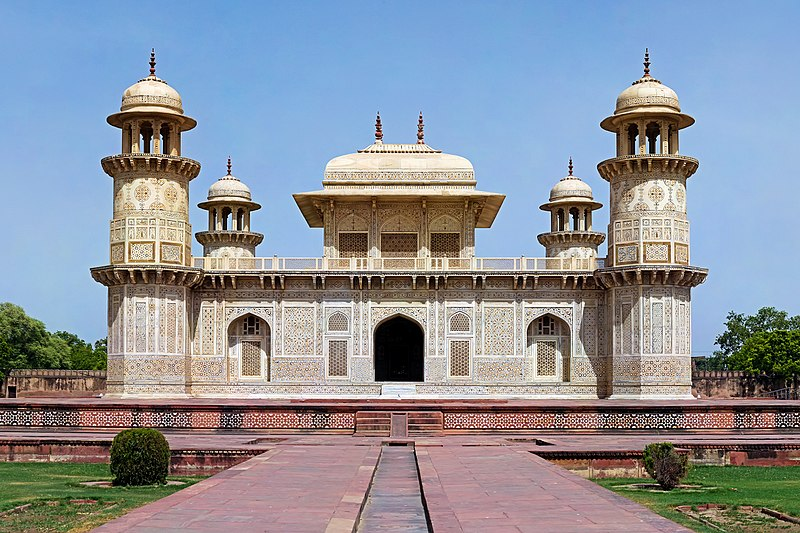
Itgardens, intricate lattice work, and the tomb’s the symmetrical design represent the architectural prowess of the Mughal empire.
The tomb was one of the first in the Mughal empire, and instead of being grand, it was detailed and refined. Because of this, it is considered a precursor to the Taj Mahal.
The tomb is one of India’s heritage sites, and is a used to showcase the artistry of the Mughals, and the early tomb architecture of India.
| Famous Things |
|---|
| Pietra dura inlay work |
| White marble construction |
| Symmetrical Mughal gardens |
| Delicate lattice screens |
| Known as “Baby Taj” |
| Precursor to Taj Mahal |
| Serene and artistic ambiance |
6. Jhansi Fort
Jhansi Fort is a popular old fort in the city of Jhansi, Uttar Pradesh, India, built in the 17th century by Raja Bir Singh Ju Deo.
Joshi Fort is situated on a rocky mountain and has a commanding view of the city. The fort is the primary example of Bir Singh’s architectural genius
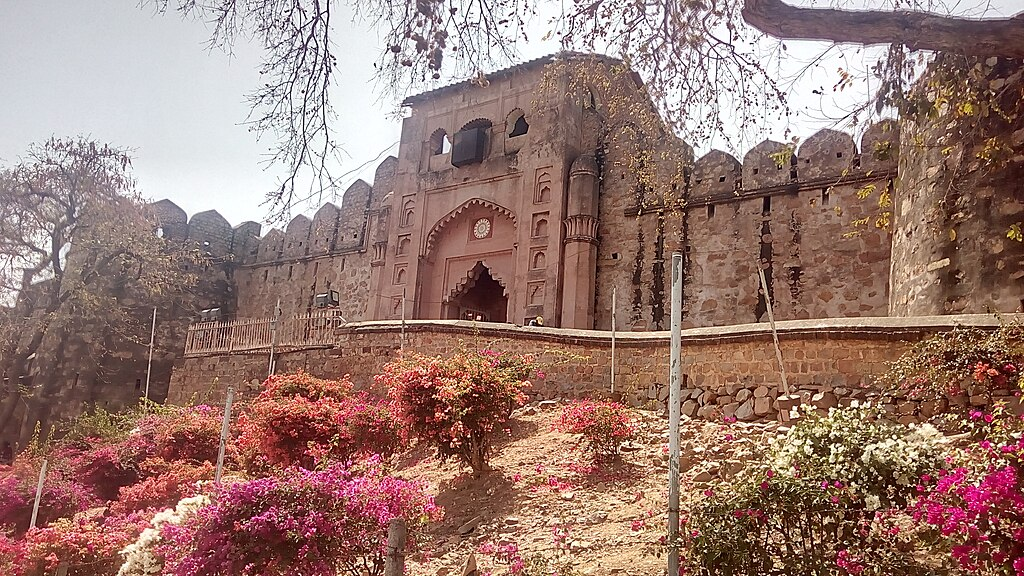
Being a combo of fortification, defensive architecture, and the grand buildings of a citadel that includes royal palaces, multiple temples and the fortification of walls.
The fort has a famous history and is especially known as the fort of Jhansi Lakshmi Bai of the 1857 S India’s First War of Independence and uprising
Jhansi Lakshmi Bai against the British. Jhansi Fort is a prominent heritage site and a legacy of history and architectural engineering.
| Famous Things |
|---|
| Rani Laxmibai memorial association |
| Defensive walls and gates |
| Temples and royal palaces inside |
| Hilltop strategic location |
| 17th-century military architecture |
| Maratha and British history |
| Panoramic views of Jhansi |
7. Allahabad Fort
Built by Akbar the Great in the year 1583, Allahabad Fort stands proudly at the banks of the Ganga and Yamuna rivers.
A vast sandstone structure, the Fort includes a range of buildings, both military and royal, such as the Ashoka Pillar and the royal apartments.

It eventually became central to the control of the Mughals, and then to the British as well, in the region.
Today, the Fort Allahabad is a protected site, one of the many in the country, and is a testament to the military might, as well as, the artistry of the Mughals. Because of this, the Fort attracts historians and tourists alike.
| Famous Things |
|---|
| Ashoka Pillar |
| Massive red sandstone walls |
| Royal palace inside the fort |
| Confluence of Ganga and Yamuna rivers |
| Mughal defensive architecture |
| Built by Emperor Akbar |
| Historical colonial significance |
8. Varanasi Ghats
Varanasi Ghats are a wondrous set of stairs made of stone which offer access to the holy river Ganga.
Sacred to the ritual practices of Hinduism, the Ghats are traditionally used for bathing, praying and cremation, signifying the release of the soul.
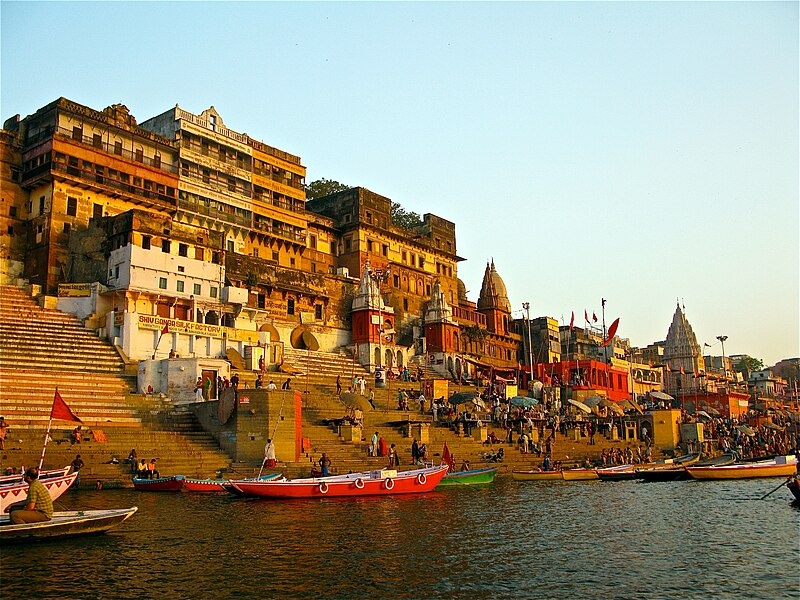
Throughout history, architecture and culture, the iconic ghats of Dashashwamedh, Manikarnika, and Assi have made a name for themselves.
To this day, the ghats are highly visual and attract visitors to the festivals and Ganga Aarti.
The ghats of Varanasi have kept it’s ancient spirit and culture as well as the soul of one of the oldest civilizations in the world.
| Famous Things |
|---|
| Dashashwamedh Ghat |
| Manikarnika Ghat (cremation rituals) |
| Assi Ghat |
| Ganga Aarti ceremony |
| Stone steps along river |
| Spiritual and cultural hub |
| Oldest continuously inhabited city |
9. Sarnath
Ancient stupas, monasteries, and the Ashokan pillar with the lion capital (which is currently India’s national emblem) can all be found in Sarnath
A region close to Varanasi and home to one of the most important Buddhist pilgrimage centers.
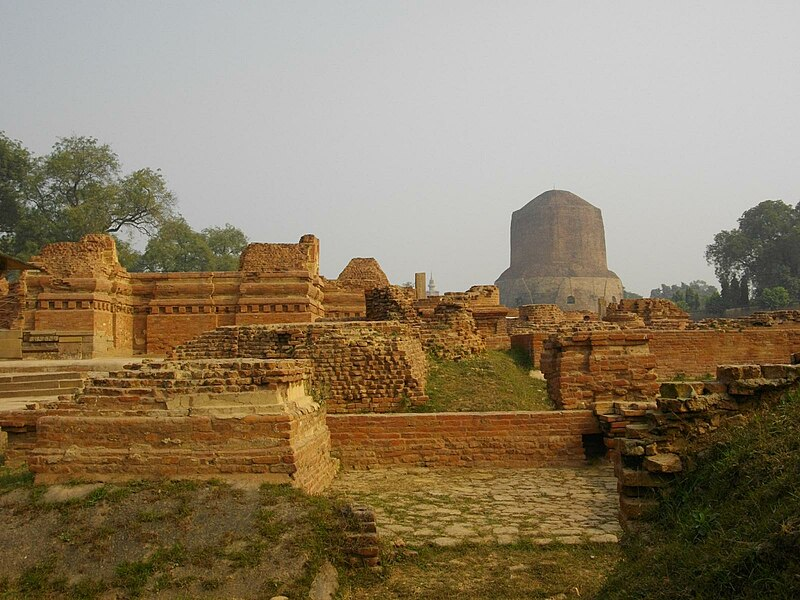
Situated in the location where, after becoming enlightened, the Buddha first preached, Sarnath contains remarkable Buddhist structures and relics from the 3rd century Sarnath.
Many monks and tourists come to enjoy the unique calmness of Sarnath while historians and archaeologists appreciate the unique blend of Buddhism and Indian culture. Because of Sarnath’s spiritually enriched history, UNESCO gives recognition to Sarnath.
| Famous Things |
|---|
| First sermon of Lord Buddha |
| Ashokan pillar with lion capital |
| Ancient stupas and monasteries |
| Buddhist archaeological relics |
| UNESCO recognized site |
| Pilgrimage destination for Buddhists |
| Historical and spiritual significance |
10. Ayodhya
Ayodhya is located in the eastern region of Uttar Pradesh and is one of the most honored towns in India.
It is noted to be the birthplace of the revered character in Hindu culture, Lord Rama. The ancient structures of the city, including the temples, palaces, and ghats, all represent the history and mythology of Hinduism.
These structures transform the city into a pilgrimage location, especially during religious festivities such as Ram Navami, when it receives mass amounts of tourists for pilgrimage.
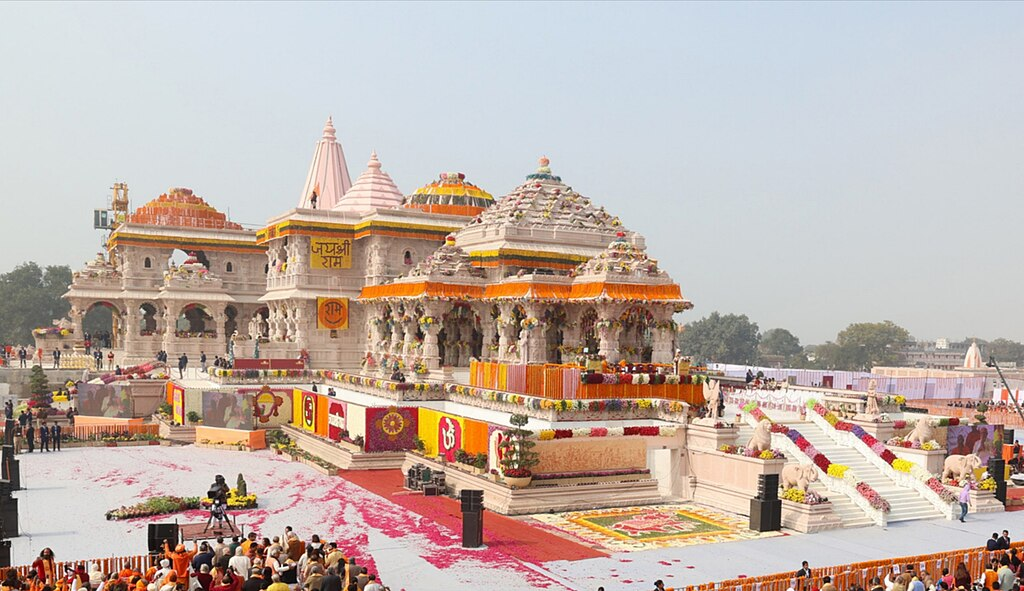
The urban environment of the city contains a unique blend of architecture, mythology, religion, and history.
This blend along with the preserved history, especially in the medieval era, helps make it one of the most notable towns in the entire region of Uttar Pradesh.
| Famous Things |
|---|
| Birthplace of Lord Rama |
| Ancient temples and ghats |
| Ram Janmabhoomi site |
| Historical palaces |
| Pilgrimage destination |
| Hindu mythology and traditions |
| Archaeological and cultural heritage |
11. Lucknow Residency
Lucknow Residency is a historical building that was engaged in the 1857 Indian Rebellion against the British.
This building was the British’s official living quarters, and is now part of a historical complex.
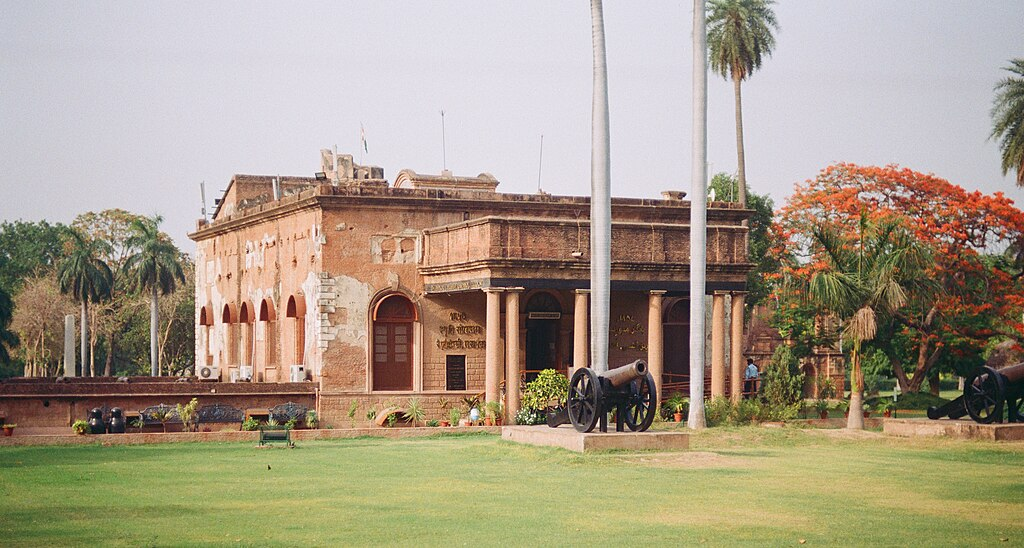
This complex contains a series of residential buildings, chapels, and the military barracks that were present during the siege in 1857.
The complex now houses a small museum, that reflects the complex’s history, and the history of colonial foes.
It offers history lovers a likely one of a kind experience, and a glimpse into the military strategy and unyielding spirit of the people who lived in those times.
| Famous Things |
|---|
| British colonial architecture |
| Churches and military barracks |
| Ruins from 1857 Rebellion |
| Historical battle site |
| Freedom struggle memorial |
| Tourism and heritage site |
| Insight into 19th-century history |
12. Chunar Fort
Chunar Fort is a military fort built over 1500 years ago in ancient Mirzapur. It is one of the few ancient military fortresses in India, and one of the oldest along the banks of the River Ganges.
Like a few others, it has undergone repairs from the Mughals and the British. It is built in a unique style that fuses The indigenous and Mughal style, which is a testament to its age.

The Fort has a long history of architectural style, and invasions, and power struggles. Its remaining structure is a landmark that shows the area’s history and culture.
It is one of the few ancient military fortresses, offering a glimpse into ancient military style and culture.
| Famous Things |
|---|
| Hilltop panoramic views |
| Secret passages and gateways |
| Historical military architecture |
| Mughal and British renovations |
| Strategic Ganges river location |
| Ancient fortifications |
| Cultural and historical significance |
13. Bara Imambara, Lucknow
In Lucknow, for over two centuries, the Imambara is important for the Asaf-ud-Daula, who constructed the Imambara in 1784, and is a magnificent representation of the architectural construction of the Awadhi Style of Architecture.
The greatest arched extracts of without beams is structural construction and the massive hall is central.
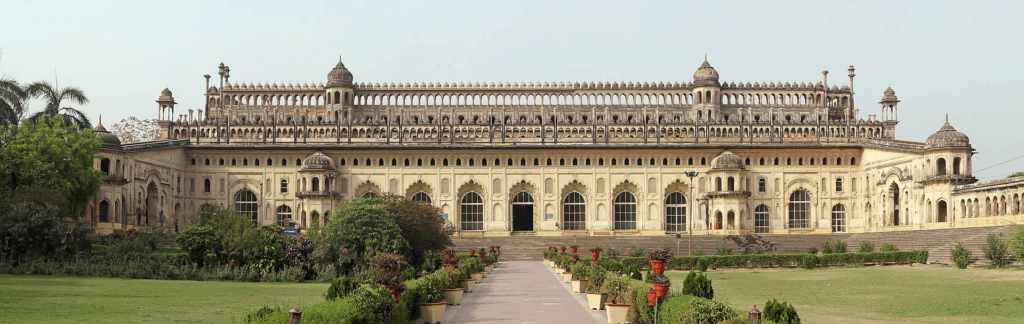
The major construction of the multi-layered, complex Asfi Museum, which includes, is one of the luxurious structures of and blends the rich elements of Persian and Mughal gardens.
The, of the complex, serves as a rich architectural construct projection and a rendering of social empathy.
Devotees, visitors, and historians, religious intertwining and tourism of Lucknow and the architectural Imambara is a remarkable monument of cultural significance, and of contemporary devotion.
| Famous Things |
|---|
| Central arched hall without beams |
| Bhulbhulaiya (labyrinth) |
| Asfi Mosque |
| Persian-Mughal gardens |
| Nawab Asaf-ud-Daula legacy |
| Architectural and cultural marvel |
| Built as famine relief project |
14. Rumi Darwaza, Lucknow
In 1784, one of the most important landmarks in the city of Lucknow is the Rumi Darwaza, which was built by Nawab Asaf-ud-Daula.
The gateway is 60 feet tall and designed with arches and motifs that resemble Turkish architecture.
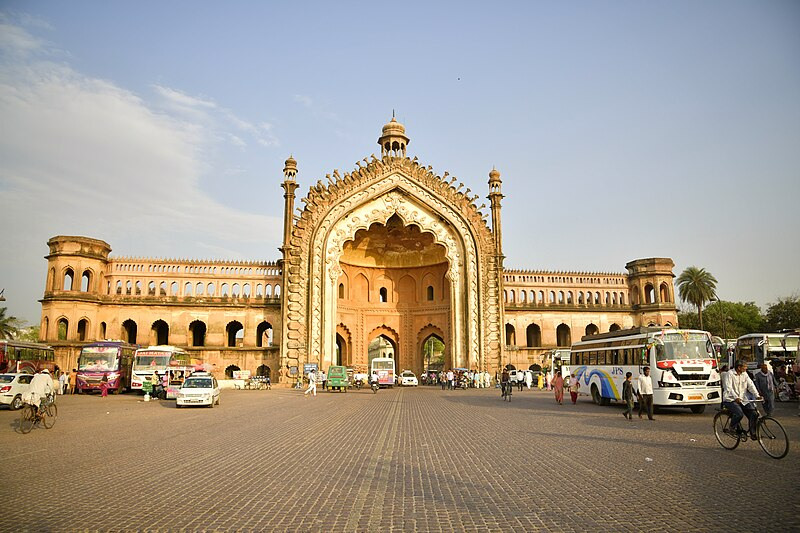
The gateway serves as a major entry into the city and is a symbol of the architecture of the Nawabi area.
Rumi Darwaza is an important architecture and a symbol of the culture in Lucknow that has been used for art, photographs, and movies.
Due to the construction and the history of the gateway, it is one of the most popular historical places in the state of U.P.
| Famous Things |
|---|
| 60-feet tall gateway |
| Turkish-inspired architecture |
| Mughal-Awadhi fusion design |
| Historical city entrance |
| Featured in art and cinema |
| Symbol of Lucknow’s Nawabi era |
| Ornate arches and carvings |
15. Khusro Bagh, Prayagraj
Khusro Bagh in Prayagraj is a complex of historical gardens containing the tombs of Prince Khusro, his mother, and his sister.
Buit in the early 17th centure, the garen of the tombs mingles mughal architecture with the gardening of Persia.
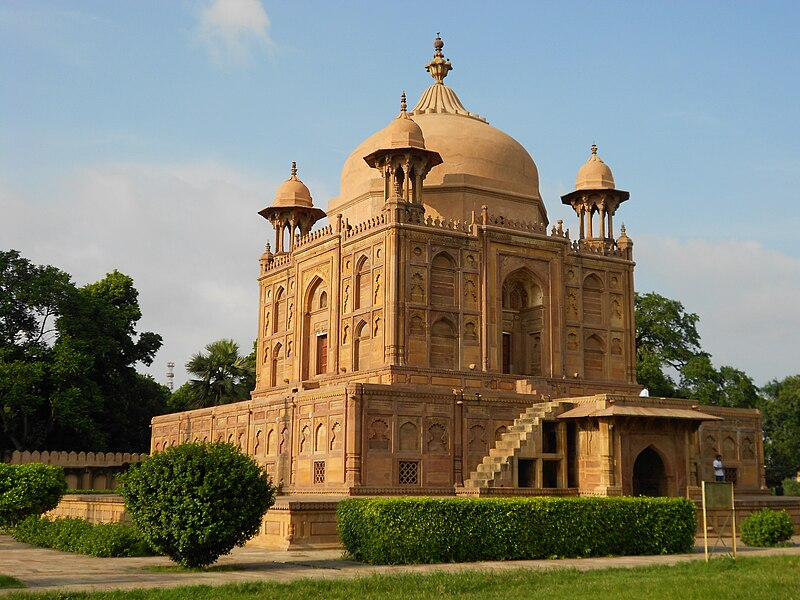
There is meticulous wooden craftsmanship in the tombs and dead. Khusro Bagh is one of the several mughal tombs built in gardens, as it was a custom of the mughal royalty to spend time in gardens.
This heritage site is not just an old ruin. Khusro Bagh is an important and integral part of the Prayagraj culture and heritage as it attracts a large number of historians and tourists with its historical value and architectural beauty.
| Famous Things |
|---|
| Tombs of Prince Khusro and family |
| Persian-style landscaping |
| Mughal architectural carvings |
| Domes and arches |
| Serene garden environment |
| Historical importance |
| Tourist and scholarly interest |
16. Ram Bagh, Agra
Ram Bagh, also referred to as Aram Bagh, was built in Agra by emperor Babur, it is one of the oldest mughal gardens in India.
The garden exhibits the charbagh design with symmetrical walkways, fountains and tiers. The garden is a historical monument as it was a Babur’s place of retreat and lies near his tomb.
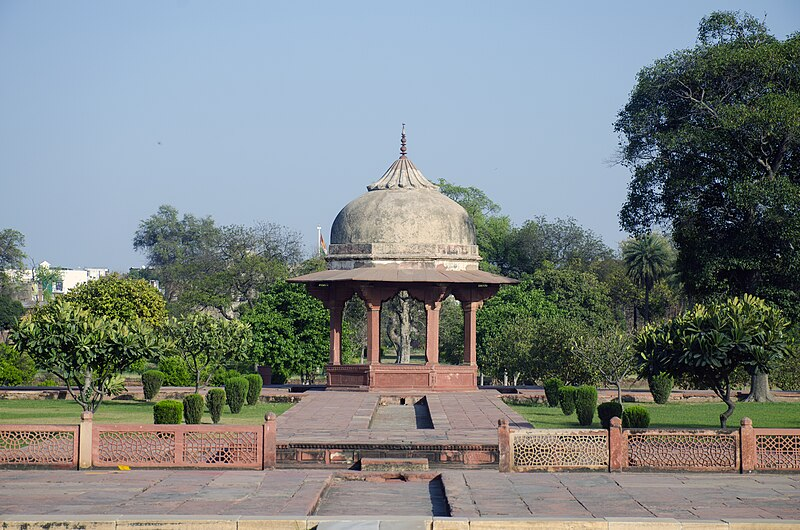
Ram Bagh is a wonderful combination of Indian craftsmanship, Persian aesthetics and mughal architecture.
The garden is not just a historical monument, with the flowing water channels, historical buildings, garden and the greenery, it is also a quite place of heritage and a significant part of Agra’s culture.
| Famous Things |
|---|
| Charbagh layout gardens |
| Symmetrical pathways and terraces |
| Fountains and water channels |
| Retreat of Emperor Babur |
| Historical monuments within garden |
| Persian-Indian architectural blend |
| Tranquil and lush environment |
17. Swami Bagh Samadhi, Agra
The heritage Samadhi (memorial) of a great spiritual leader, located in Agra, Swami Bagh Samadhi, is a heritage site of great peace and tranquility.
Internal and external landscaping in the form of walking paths, rose gardens, and silence zones invite relaxation and introspection.
The architectural elements of the complex, including cement domes, reflect the Indian and Mughal regional styles.
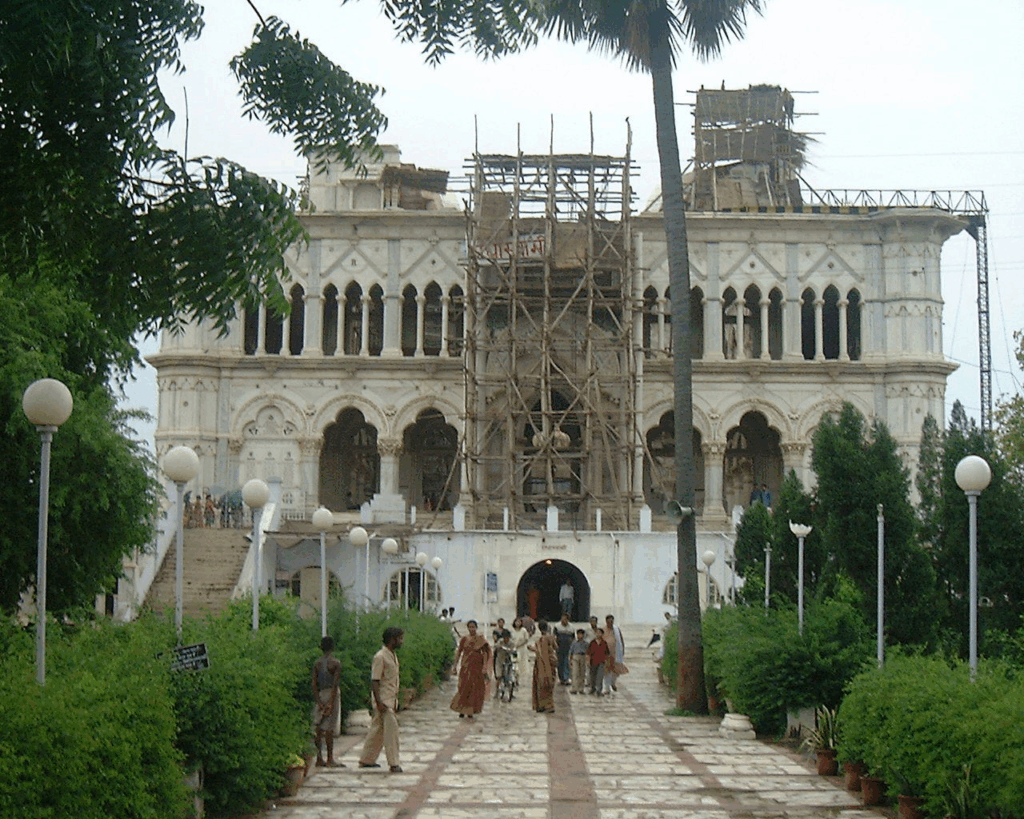
As a focus of spirituality of the memory of the saint, the complex is also a site of great history.
The tranquility and history of the site and the beauty of the structure make it a part of the cultural heritage of Agra.
| Famous Things |
|---|
| Memorial of revered spiritual leader |
| Serene landscaped gardens |
| Domes and arches |
| Mughal-Indian architectural features |
| Spiritual and historical significance |
| Peaceful ambiance for visitors |
| Heritage site in Agra |
18. Jama Masjid, Agra
The Mosque of Jama Masjid, in Agra, is one of the most important structures of Mughal architecture in the style of red sandstone and marble.
It was built in the centuries of Shah Jahan and the 17th. The intricacy of the work in the mosque, including domes, towers, and minarets, is a sign of great spiritual and architectural devotion of the Mughal.
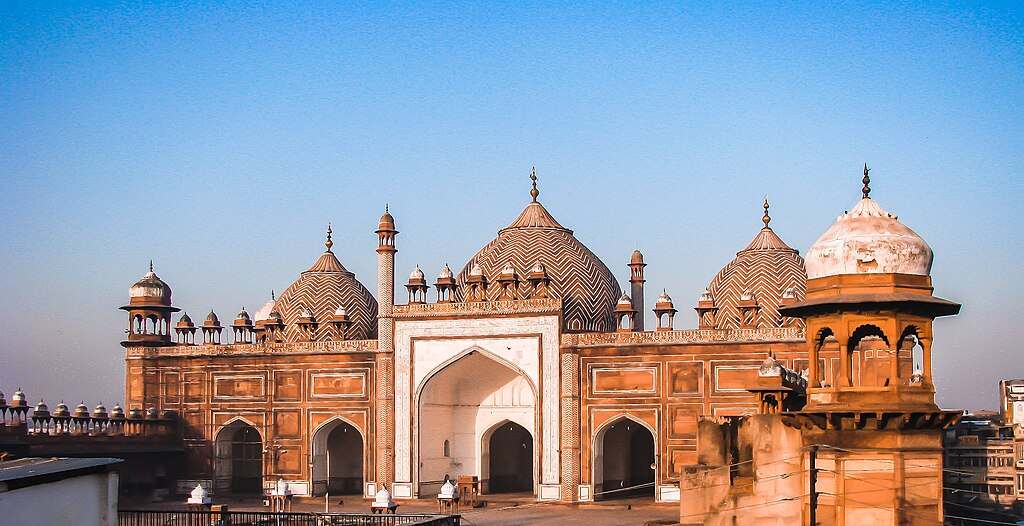
The works of Islam, in the Mosque of Jama, offered community services and spiritual works in great space of the court.
Jama Masjid has also been rewarded by UNESCO for the beauty of craft and spirituality, and is one of the most important buildings on the site of heritage of Agra.
| Famous Things |
|---|
| Red sandstone and marble construction |
| Intricate carvings and domes |
| Minarets and spacious courtyard |
| Mughal-era mosque |
| Center of religious activity |
| UNESCO-recognized heritage |
| Architectural and spiritual significance |
19. Shahi Qila, Jaunpur
Jaunpur (known as Qila-i-Shahi, sometimes as Shahi Qila, also as the Imperial Fort) is a fort, which was constructed during the Sharqi dynasty in the 15th century.
It was and is still constructed with stone and brick and has grand entrances, and mosques, and administrative buildings.
The fort is situated in a strategically defensible area. Shahi Qila is great architectures of the Indo-Islamic with embellishments of arches, wooden screen with pierced lattice and other great works of carving.
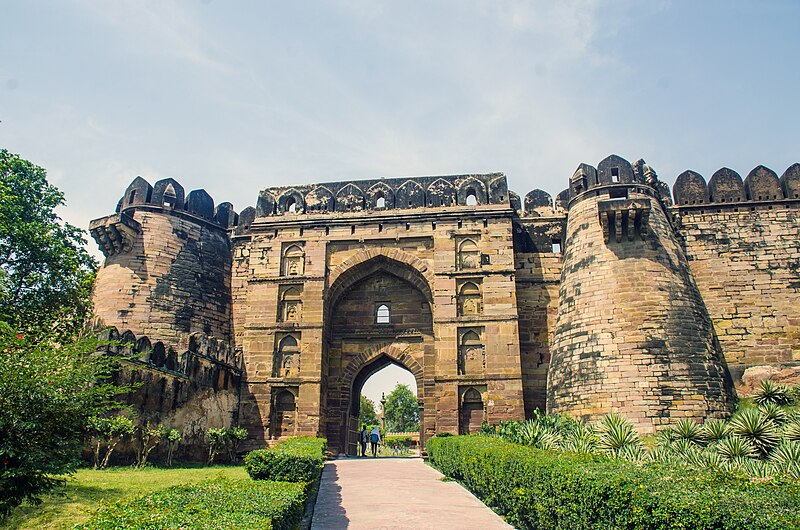
Architectural Importance, though in great ruins, still has a great significance to the Indo-Islamic culture and style and the dominance of the Sharqi dynasty recorded Jaunpur
To showcase an architectural marvel. Jaunpur people, with great pleasure, still say, she is the living history and culture of the city.
| Famous Things |
|---|
| Grand gateways and mosques |
| Stone and brick construction |
| Strategic elevated location |
| Indo-Islamic architectural style |
| Sharqi dynasty fort |
| Historical defense site |
| Cultural and heritage importance |
20. Deogarh Fort
Deogarh Fort is located in the Lalitpur district and is perched on the hills nearby. The fort offers a combination of medieval and Hindu architecture.
Estimated to have been built in the 11th century, the fort holds numerous features. These features include, big walls with various gateways, temples, and planned locations for water to be stored.
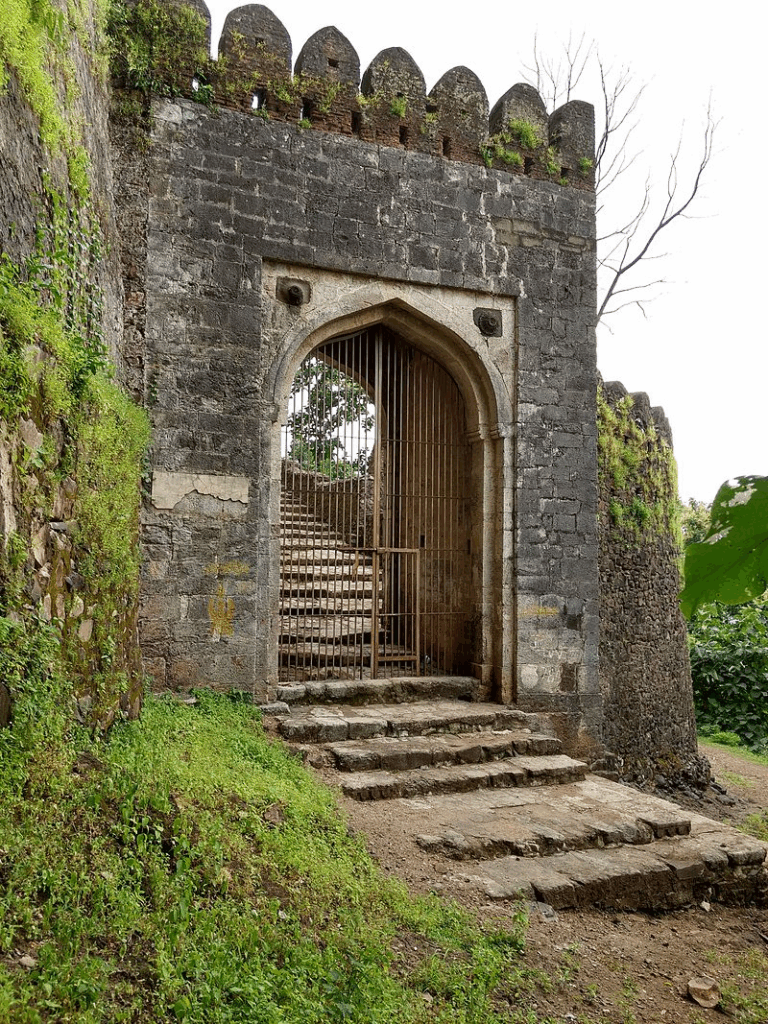
The fort’s walls, and the system of planned water reservoirs showcase the defensive capabilities of the fort.
With the temples and water systems, the fort also exemplifies the lives, structure, and governing systems of the people who lived there.
The vistas from the top of the fort are famous, and it still retains much of it today. The fort is also known for its history and culture, and today reminds many of the historical structure, and planning of ancient architecture in India.
| Famous Things |
|---|
| Hilltop fort with panoramic views |
| Massive walls and gateways |
| Temples and water reservoirs |
| 11th-century strategic fortification |
| Blend of Hindu and medieval architecture |
| Historical military significance |
| Tourist and heritage attraction |
Conclsuion
To sum up, some of the amazing historical sites in Uttar Pradesh are Mughal stupas, ancient Hindu structures, and architectural wonders which contain Mughal and Hindu heritage.
The Taj Mahal, Fort Agra, Varanasi Ghats, Vaijanti Fort in Jhansi and Fort Chunar are some of the sites which tell amazing tales of history and spirituality.
These sites are amazing destinations in Uttar Pradesh and are perfect for history and art lovers.
FAQ
What is the most famous heritage site in Uttar Pradesh?
The Taj Mahal in Agra is the most famous, known globally as a symbol of love and Mughal architecture.
Which forts are worth visiting in Uttar Pradesh?
Agra Fort, Jhansi Fort, Chunar Fort, and Shahi Qila in Jaunpur are must-visit forts showcasing historical and military significance.
Are there UNESCO World Heritage Sites in Uttar Pradesh?
Yes, sites like the Taj Mahal, Agra Fort, Fatehpur Sikri, and Sarnath are UNESCO-recognized heritage sites.
Which city has the spiritual ghats?
Varanasi is famous for its ghats along the Ganga River, significant for rituals, prayers, and cultural ceremonies.
Which heritage sites are associated with Lord Rama?
Ayodhya is the birthplace of Lord Rama, famous for temples, ghats, and mythological significance.