

This article provides the Best Japan Alternatives for Cultural Travel. These are the most heritage-rich with authentic traditions and local immersion experiences without the crowds.
If it’s the colorful street culture, historic architecture, or the one-of-a-kind regional traditions
These places capture people with their own unique and compelling culture, while providing the depth and discovery highly sought after by travelers to Japan.
Key Points & Best Japan Alternatives For Cultural Travel
| Destination | Key Cultural Highlights |
|---|---|
| South Korea | Rich history in Seoul’s palaces, vibrant K-pop culture, traditional hanbok experiences |
| Taiwan | Night markets, tea culture, indigenous traditions, blend of Chinese and Japanese influences |
| China | Ancient heritage sites like the Great Wall, Confucian temples, diverse regional cuisines |
| Hong Kong | Fusion of East and West, Cantonese opera, bustling street markets, colonial history |
| Vietnam (Ho Chi Minh City) | French colonial architecture, Buddhist temples, dynamic street food culture |
| Singapore | Multicultural festivals, Peranakan heritage, modern city blending with traditional quarters |
| Berlin, Germany | Avant-garde art scene, WWII and Cold War history, diverse immigrant culture |
| Portland, Oregon | Counterculture vibe, indie arts, Japanese gardens, eco-conscious lifestyle |
| Kanazawa, Japan | Less crowded Kyoto alternative, samurai districts, tea ceremonies, traditional crafts |
| Fukuoka, Japan | Street food stalls (yatai), coastal culture, relaxed atmosphere compared to Tokyo |
10 Best Japan Alternatives For Cultural Travel
1. South Korea
South Korea is one of the best alternative destinations for Japan if you want to travel for culture. It reflects historical customs and contemporary traditions.
Visitors get to experience the palaces of old and the vibrant folk villages and get an understanding of the daily life patterns influenced by Confucianism.
Korea is distinct and more attractive because of its ‘living culture’. This is reflected by the opportunities available for visitors in traditional markets, seasonal festivals and temple stays
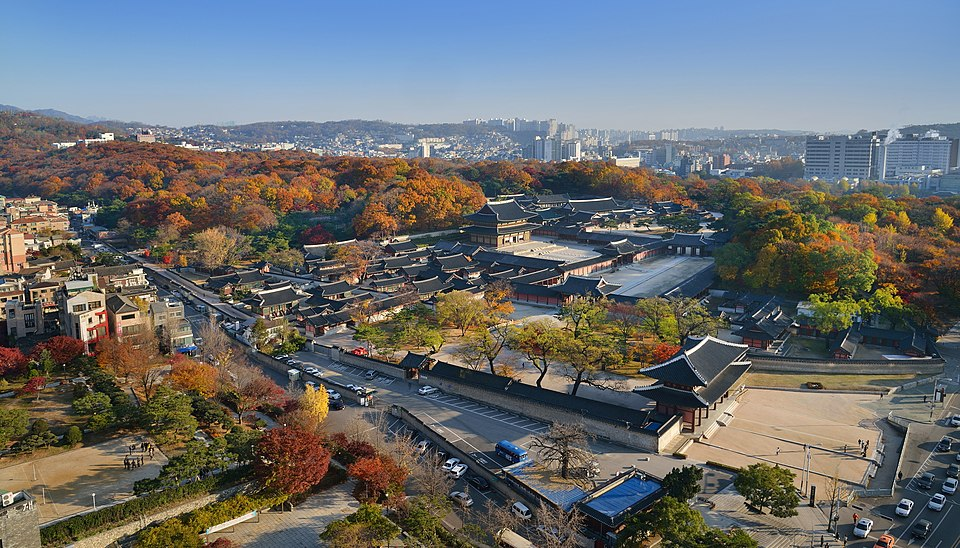
Where they can fully immerse themselves into the culture, not just observe from the sidelines.
The country is also more distinct than other destinations, considering its unique script, cuisine and craft.
Furthermore, the ease of travel and the richness of culture in South Korea without the crowds typical of Japan is a big plus.
| Category | Famous For |
|---|---|
| Culture | Hanbok, K-dramas, K-pop |
| Food | Kimchi, Korean BBQ, Bibimbap |
| Landmarks | Gyeongbokgung Palace, Bukchon Hanok Village |
| Nature | Jeju Island, Seoraksan National Park |
| Experiences | Temple stays, Traditional markets |
2. Taiwan
Taiwan provides a fantastic alternative to Japan for cultural travel due to its unique combination of local culture, tradition, heritage, and communal culture.
Travelers to Taiwan will have the opportunity to experience and appreciate its diverse identity on display at its well-preserved temples, historic towns, and sites showcasing the heritage of the island’s indigenous peoples.
The island’s strongest singular characteristic is the unique interaction of cultural immersion and everyday activities.
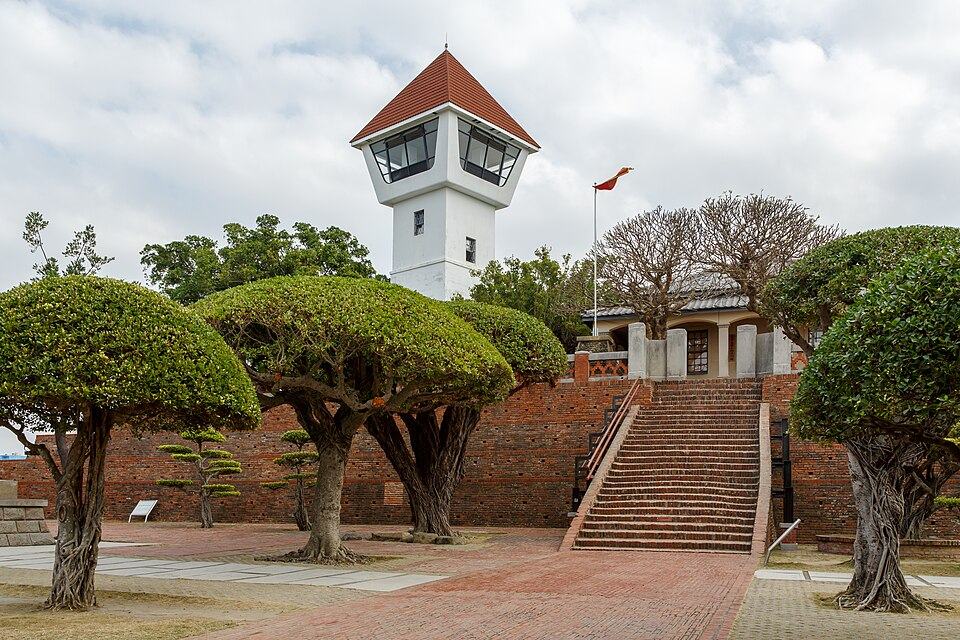
Night markets serve local culinary delights while family-owned tea houses operate with a welcoming atmosphere.
Festivals offer cultural celebration as a participatory activity. Taiwan provides the cultural depth that many travelers seek when considering Japan as a destination. Encounters are genuine and the pacing is relaxed for the depth of culture and warmth.
| Category | Famous For |
|---|---|
| Culture | Indigenous heritage, Night markets |
| Food | Bubble tea, Beef noodle soup |
| Landmarks | Taipei 101, Longshan Temple |
| Nature | Taroko Gorge, Sun Moon Lake |
| Experiences | Hot springs, Tea plantations |
3. China
For those looking to economically travel to the most culturally enriching countries, rather than Japan, the most favorable option is China, given the vast history, traditions, and regional diversity.
Ancient Chinese dynasties, classical gardens, and China’s varied folk customs that differ from province to province are UNESCO World Heritage Sites.
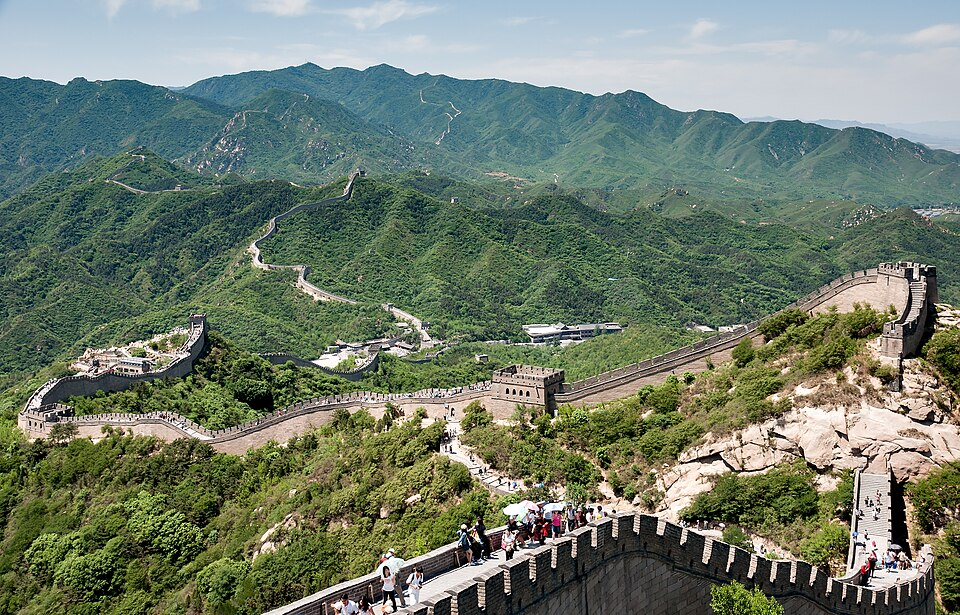
The scale and continuity of China’s culture is unique. They have maintained centuries-old philosophies, festivals, and various crafts every day which gives tourists the feeling of historical life.
Taking into account China’s grand imperial relics and traditional neighborhoods, the travel to China is rich in variety and without a doubt a culturally enriching experience in comparison to most travel destinations, making it a compelling alternative to Japan.
| Category | Famous For |
|---|---|
| Culture | Ancient dynasties, Calligraphy |
| Food | Dim sum, Peking duck |
| Landmarks | Great Wall, Forbidden City |
| Nature | Zhangjiajie, Guilin |
| Experiences | Traditional festivals, Silk and tea culture |
4. Hong Kong
Hong Kong is good for cultural travel instead of Japan because of what it has to offer. Hong Kong has embedded chinese influences merging with a global outlook and creating a city that is rooted deeply and also dynamic.
One will first notice and be able to appreciate the mix of traditional and modern that is steeped in history. One is able to gain and experience a modern a contemporary and colonial history which is unique in history.
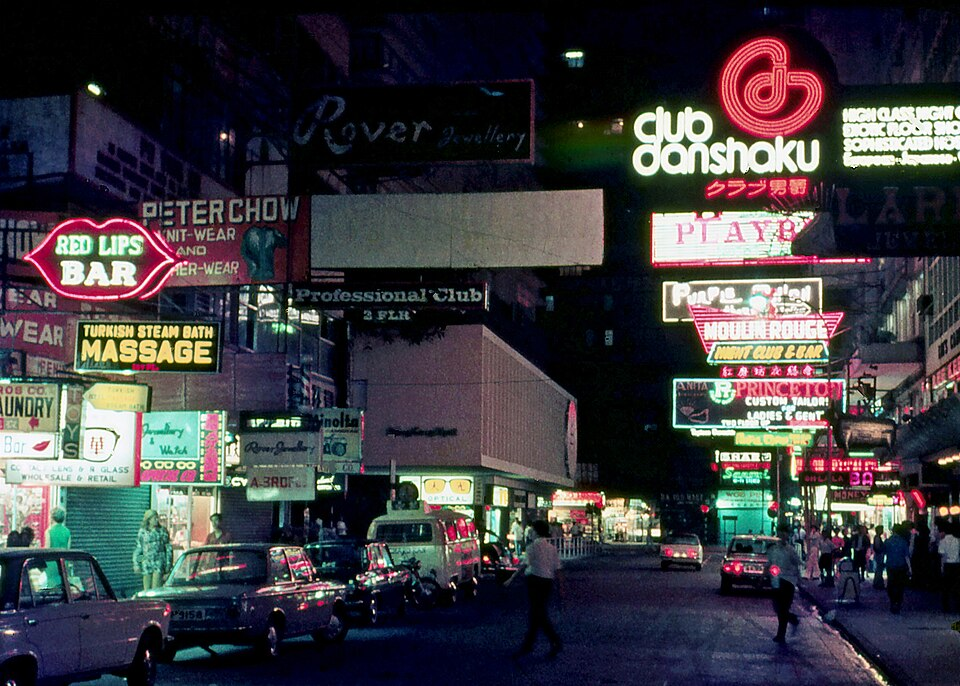
The most unique and special part of the city. The cultural duality. Ancient practices are ritualized in a city with modern( neon)
Districts that are bolstered and backed with diverse practices of cuisine and cities rich in history. The cultural depth offered is similar to that of Japan with a modern cosmopolitian edge.
| Category | Famous For |
|---|---|
| Culture | Cantonese traditions, Film industry |
| Food | Dim sum, Egg waffles |
| Landmarks | Victoria Peak, Big Buddha |
| Nature | Dragon’s Back, Lantau Island |
| Experiences | Night markets, Harbor light show |
5. Vietnam (Ho Chi Minh City)
Ho Chi Minh City is different from Japan in many ways, but still an excellent place to visit for its culture and history, and of course the modern additions to the city.
Visitors of the city will be able to see French colonial structures, active walkable pagodas, and the many different markets the locals sell their goods.
These places will all give visitors a chance to see and learn the many different parts to the city of Vietnam. The city has an active comunity street culture.
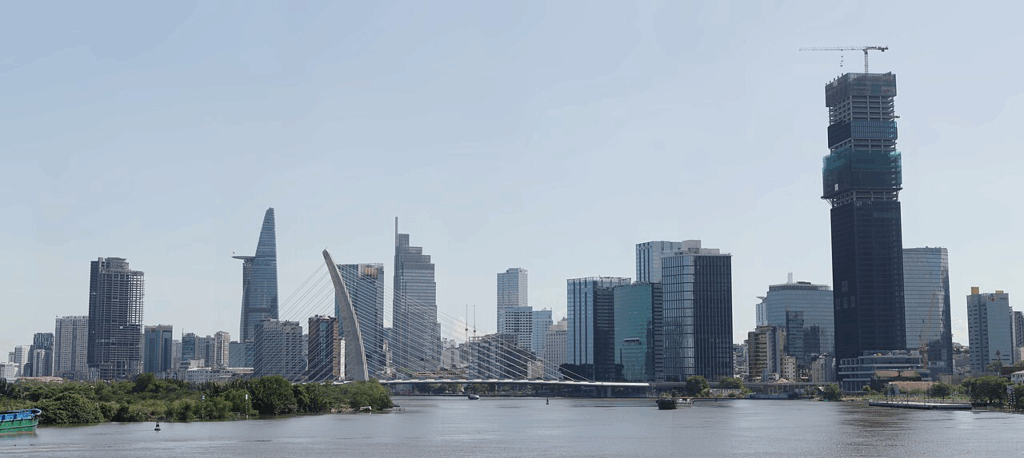
Visitors will be able to see many different parts of city life, and the people in their everyday life all from the street.
The city has a mixture of modern culture and the relics of the past, as well as the warm culture. This all creates an atmosphere that is culturally rich, and easy to connect with.
This is a rare and deeply authentic experience, but with a different kind of lifestyle that is different from Japan.
| Category | Famous For |
|---|---|
| Culture | French-influenced architecture, Pagodas |
| Food | Pho, Banh mi |
| Landmarks | Notre-Dame Cathedral, War Remnants Museum |
| Nature | Mekong Delta (nearby) |
| Experiences | Scooter culture, Street markets |
6. Singapore
Cultural travel to Singapore can be an excellent substitute for traveling to Japan for the simple fact that Singapore is culturally diverse, multilayered and Japan is not.
Travelers can pearl together and access a Chinese temple, a Malay heritage district, an Indian cultural enclave and Peranakan architecture, and cultural sites together within mere minutes.
The unique point of the country is the cultural sincerity and respect of the communities and traditions that they have fused together, as it is of the utmost importance to have a homogeneous national identity.
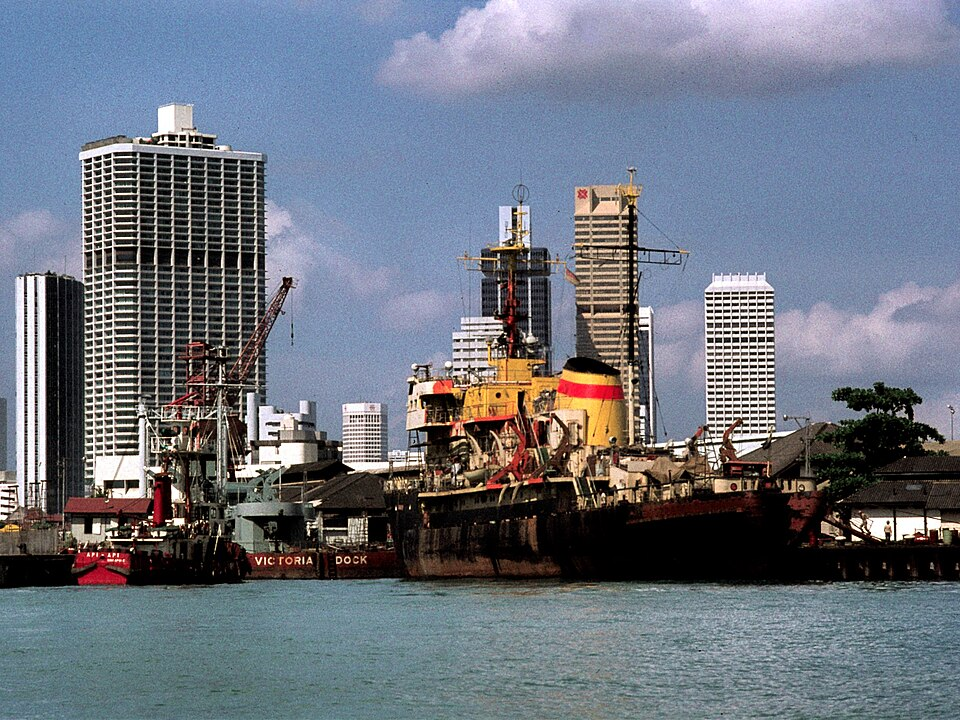
From hawker centers, to festivals, and museums, the country is multi-acultural and offers authenticity. And of course the travel to the places easily is Japan-like. The country is also very safe and fast.
| Category | Famous For |
|---|---|
| Culture | Multicultural districts (Little India, Chinatown) |
| Food | Hawker centers, Chilli crab |
| Landmarks | Marina Bay Sands, Gardens by the Bay |
| Nature | Sentosa, Botanic Gardens |
| Experiences | Clean, efficient city life |
7. Berlin, Germany
Berlin is an alternative for cultural travel to Japan for a reason: the incredible integration of creativity, history, and living tradition.
There are several renowned historical sites, museums, and multicultural influenced neighborhoods to visit.
What is special about Berlin is the cultural openness: people can join and step into the art, music, and community events.
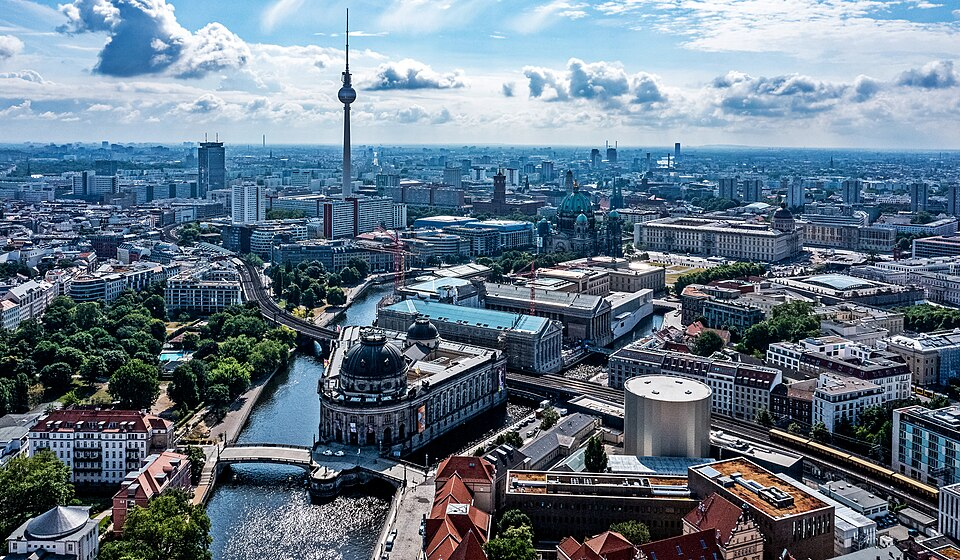
There is a wonderful intergration of history and modern times which gives the city a live atmosphere where their culture is continuously changing and growing.
There is an incredible energy to the culture which can be compared to Japan, but is uniquely Berlin, and pushes the boundries of Europe.
| Category | Famous For |
|---|---|
| Culture | Street art, Techno music |
| Food | Currywurst, Döner kebab |
| Landmarks | Brandenburg Gate, Berlin Wall |
| Museums | Museum Island |
| Experiences | Creative neighborhoods, Festivals |
8. Portland, Oregon
Portland, Oregon possesses much of the same ethos as Japan, as far as cross-cultural travel is concerned.
The creativity, community orientation, and strong local identity make it the only American locale that is Japan-esque. Independent bookstores, artisan markets, craft studios and the nature-rooted traditions of daily life are easily accessible.
The culture of intentional living, with folks focused on sustainable crafting and community connection, creates a lifestyle that visitors can engage.
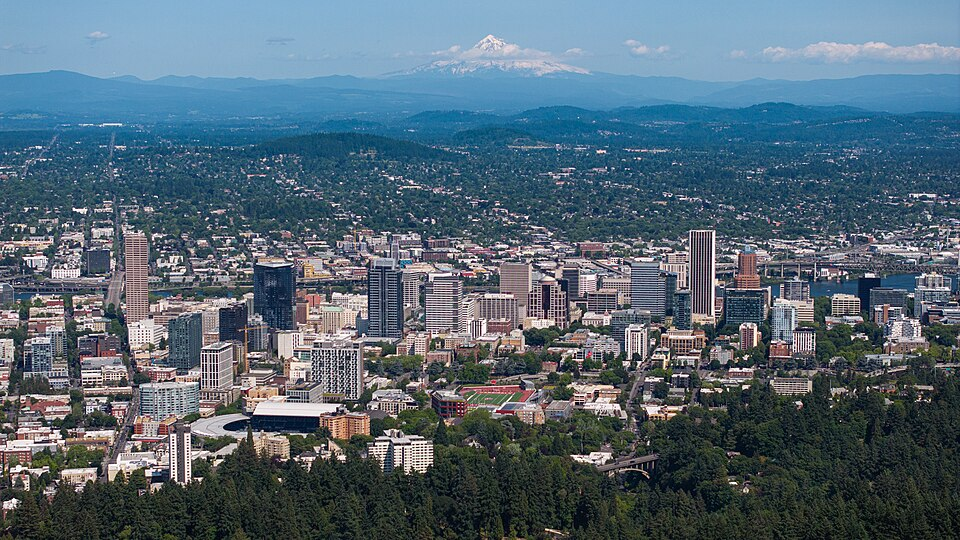
The city is peppered with vibrant food carts, neighborhood festivals, and riche art districts, offering very much the integrated cultural travel experience.
Portland captures the remaining spirit of the American Pacific Northwest that used to define culture and travel in this richness.
More lately, it is the thoughtful, detailed atmosphere that travelers travelled to Japan for, that they now also find in Portland.
| Category | Famous For |
|---|---|
| Culture | Indie arts, Coffee culture |
| Food | Food trucks, Craft beer |
| Landmarks | Powell’s City of Books, St. Johns Bridge |
| Nature | Forest Park, Columbia River Gorge |
| Experiences | Farmers’ markets, Eco-friendly living |
9. Kanazawa, Japan
Kanazawa is certified as a core city of culture and heritage tourism in Japan due to its charm as an unspoiled city and its heritage of culture and traditions of the country.
Kanazawa has a calm atmosphere due to the presence of the landscaping gardens of Japan and the perfectly grounded samurai districts.
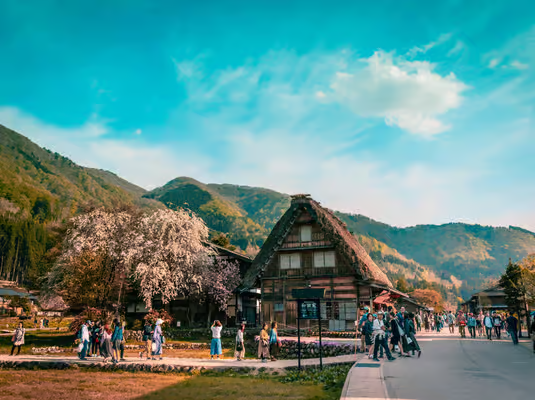
Kanazawa’s popularity and patronage comes from the distinct crafts culture of the city. The aged artists of the city inscribe and produce gold leaf art and practice traditions of pottery and textiles which they teach and instruct to city visitors from their workshop studios.
Because of the slower surroundings and atmosphere of the city, Kanazawa offers its visitors a unique opportunity to personally connect with the heritage and culture of the country in a unique and authentic manner while delivering the genuine customs of Japan.
| Category | Famous For |
|---|---|
| Culture | Samurai & geisha districts |
| Craft | Gold leaf, Kutani pottery |
| Landmarks | Kenrokuen Garden, Kanazawa Castle |
| Food | Seafood, Wagashi sweets |
| Experiences | Tea ceremonies, Artisan workshops |
10. Fukuoka, Japan
For those looking for a more authentic Japanese experience that is void of the fast pace of Tokyo or Kyoto, Fukuoka is a fantastic cultural option.
The Fukuoka’s combination of ancient temples, seaside shrines, and active festivals is accompanied by a warm and relaxing atmosphere.
The is most well known for its strret-food scene, particularly yatai, which is where people pass and share meals on the street and enjoy them in an open, and communal dining style, which is rare for Japan.
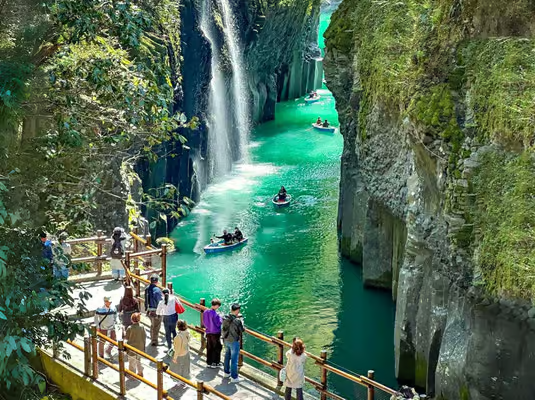
The approachable urbanism of Fukuoka, along with its mixed history and traditions, creates a cultural environment that is unlike any other.
Fukuoka is very well endowed with Japanese cultural richness and traditions, but still is welcoming and relaxed–making it a fantastic option for active cultural traveling.
| Category | Famous For |
|---|---|
| Culture | Ancient temples, Local festivals |
| Food | Hakata ramen, Yatai food stalls |
| Landmarks | Ohori Park, Kushida Shrine |
| Nature | Beaches, Nearby islands |
| Experiences | Open-air dining, Shopping districts |
Cocnlsuion
In conclusion, the places have lots of culture, one of a kind customs and everyday interactions on par with Japan, but with their own uniqueness.
Taiwan, with its community warmth, Berlin with its creativity and Singapore with its harmonious multiculturalism.
All of these offer different and meaningful culture exposure. All of these places offer different and real traveling opportunities for people seeking for unforgettable trips beyond Japan.
FAQ
What makes a destination a good alternative to Japan for cultural travel?
Places with strong traditions, rich history, and immersive local experiences make great alternatives.
Which country is closest to Japan in cultural feel?
South Korea offers the closest mix of tradition, modernity, and cultural depth.
Which destination offers the best food culture similar to Japan?
Taiwan, with its night markets and traditional cuisine.
Which place is best for historical landmarks?
China offers unmatched ancient sites and living heritage.
Which city blends modern and traditional culture well?
Singapore combines global modernity with preserved ethnic traditions.