

In this article, I will discuss Best Nature & Forest Trip Destinations In India For Photography. India is a photographer’s paradise.
- Key Points & Best Nature & Forest Trip Destinations In India for Photography
- 10 Best Nature & Forest Trip Destinations In India for Photography
- 1. Jim Corbett National Park, Uttarakhand
- 2. Gir Forest National Park, Gujarat
- 3. Spiti Valley, Himachal Pradesh
- 4. Athirapally, Kerala
- 5. Kaziranga National Park, Assam
- 6. Nagarhole National Park, Karnataka
- 7. Pench National Park, Madhya Pradesh
- 8. Ranthambore National Park, Rajasthan
- 9. Tadoba National Park, Maharashtra
- 10. Bandhavgarh National Park, Madhya Pradesh
- Conclusion
- FAQ
The country’s photography scene is as diverse as its landscape – India is home to thick forests, dazzling waterfalls, stunning wildlife, and dramatic topography.
The country has tiger reserves, deserts, valleys, and a range of national parks. All of these are perfect spots to photograph nature at its vibrant best.
Key Points & Best Nature & Forest Trip Destinations In India for Photography
| Destination | Key Photography Highlights |
|---|---|
| Jim Corbett National Park, Uttarakhand | Bengal tigers, elephants, misty riverbanks, and dense sal forests |
| Gir Forest National Park, Gujarat | Asiatic lions, dry deciduous forest, and unique wildlife moments |
| Spiti Valley, Himachal Pradesh | Stark landscapes, monasteries, snow-capped peaks, and dramatic skies |
| Athirapally, Kerala | Majestic waterfalls, lush greenery, and tropical forest ambiance |
| Kaziranga National Park, Assam | One-horned rhinoceros, swampy grasslands, and migratory birds |
| Nagarhole National Park, Karnataka | Rich biodiversity, riverine forests, and elusive big cats |
| Pench National Park, Madhya Pradesh | Teak forests, tigers, and inspiration for Kipling’s “Jungle Book” |
| Ranthambore National Park, Rajasthan | Tigers in ancient ruins, dry forest terrain, and dramatic fort backdrops |
| Tadoba National Park, Maharashtra | Dense bamboo forests, tiger sightings, and serene lake views |
| Bandhavgarh National Park, Madhya Pradesh | High tiger density, hilly terrain, and ancient caves |
10 Best Nature & Forest Trip Destinations In India for Photography
1. Jim Corbett National Park, Uttarakhand
Wildlife enthusiasts and photographers alike appreciate Jim Corbett National Park, the first-ever national park in India and a classic nature photography spot.
Uttarakhand’s Corbett National Park, a UNESCO World Heritage Site, is known for its diverse geographic features, including grasslands, riverine belts, and dense Sal forest.
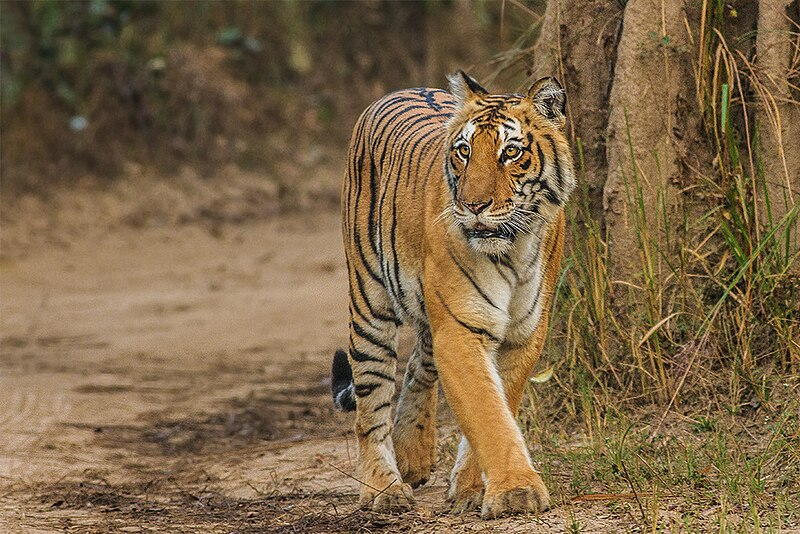
It’s the perfect home for photographers and wildlife aficionados looking for Bengal tigers, leopards, riverbeds, and a myriad of elephant species along with diverse forest birds.
Photographers can capture the contrasting photographs with a lens as spring gives way to rounded mists of winter, and then drenching, contrast-rich monsoons.
| Famous For | Details |
|---|---|
| Bengal Tigers | One of the best places in India to spot wild tigers. |
| Safari Zones | Bijrani, Dhikala, Jhirna, Dhela, and Durga Devi zones. |
| Corbett Waterfall | A scenic spot perfect for landscape photography. |
| Ramganga River | Offers great wildlife and bird photography opportunities. |
| Birdwatching | Over 600 bird species, ideal for nature photographers. |
2. Gir Forest National Park, Gujarat
Gir National Park is home to the last sanctuary of the Asiatic lion, drawing the attention of wildlife photographers.
Dry deciduous forests and grasslands provide venues for photographing lions, leopards, striped hyenas, and various deer.
During the early and late hours of the day, photographers can take the priceless golden light for stunning wildlife close-ups. For bird photographers, the park has crested serpent eagles and Indian rollers.
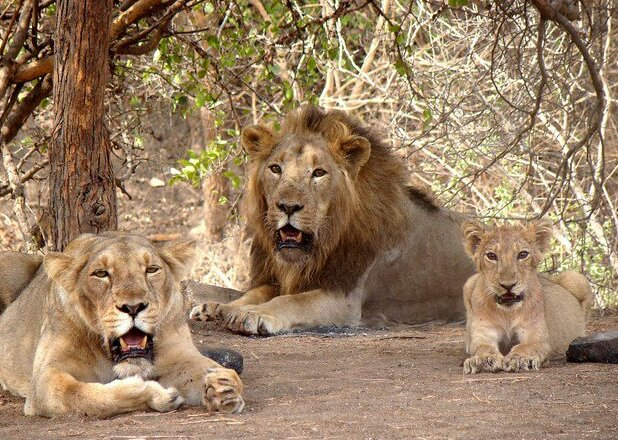
In addition to wildlife, Gir offers scenic compositions rich with the rustic beauty of uninhabited Indian wilderness.
Wildlife enthusiasts will appreciate the park’s rugged landscapes, wildlife encounters, and seasonal vegetation.
| Famous For | Details |
|---|---|
| Asiatic Lions | The only place in the world where Asiatic lions roam freely. |
| Crocodile Breeding Centre | A conservation spot for reptiles. |
| Kamleshwar Dam | A scenic spot inside the park for reflection shots. |
| Leopards & Hyenas | Commonly spotted predators for wildlife photographers. |
| Maldhari Tribes | Capture unique cultural and traditional lifestyles. |
3. Spiti Valley, Himachal Pradesh
Spiti Valley in Himachal Pradesh is a cold high-altitude desert with unique vistas. Spiti provides a range of unique photographic opportunities.
Utterly different from the rest of India, Spiti is characterized by desolate mountains, deep gorges, and clear rivers.
Snow-capped mountains are superb for contrast, and ancient monasteries like Key Monastery are great for cultural integration in photography.
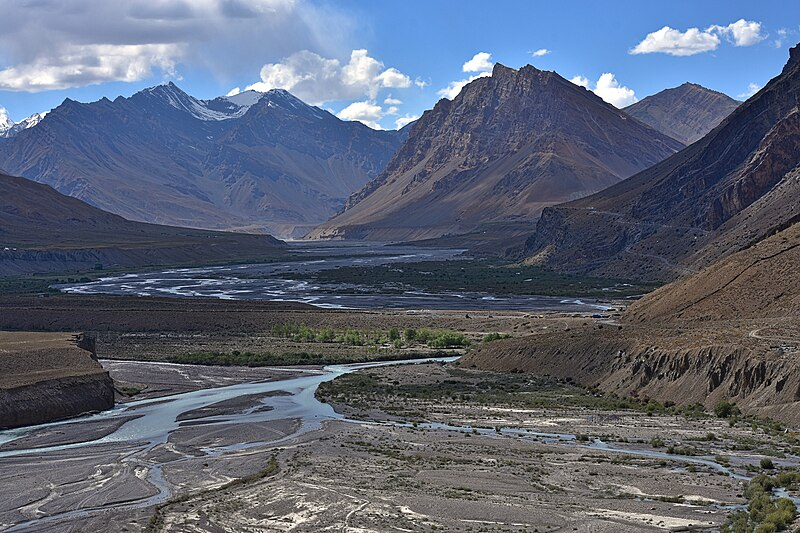
Photographers interested in wildlife can shoot snow leopards, Himalayan ibex, and blue sheep.
The valley’s villages with mud-brick houses and ritualistic prayer flags are excellent subjects. Spiti is a dream for landscape and astrophotography.
Early morning mist, twilight colors, and starry skies are otherworldly, perfect for conveying the splendor of the Himalayas.
| Famous For | Details |
|---|---|
| Key Monastery | Iconic Buddhist monastery perched on a hill. |
| Chandratal Lake | High-altitude lake famous for mirror-like reflections. |
| Snow Leopards | Rare wildlife photography opportunities. |
| Starry Night Sky | Ideal for astrophotography and Milky Way shots. |
| Villages like Kibber & Komic | Among the highest inhabited villages in the world. |
4. Athirapally, Kerala
Athirapally, Kerala’s largest and most photographed waterfall “Niagara of India”. Cascaded waterfalls surround lush greenery and vit rare tropical forests, singing from a distance.
During the monsoon, the greenery dense with life and flows of water are a photographers dream, with the added opportunities of shooting vibrant rainbows and misty landscapes with shifting waters.
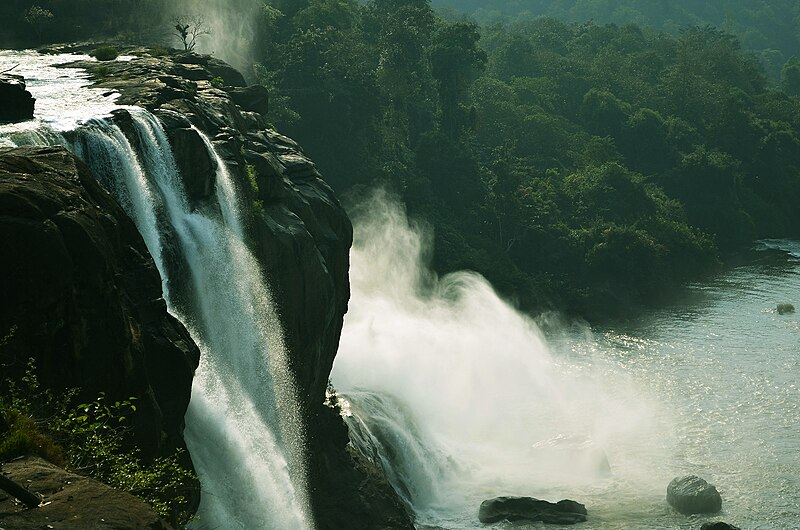
The forests also provide and attract wildlife and birds. Athirapally also features numerous closeup and macro photography opportunities with the varied flora.
The combination of the tropical forests, varied flora and cascading falls and wildlife Athirapally is a photographers dream.
Taking challenge of the region wildlife photography also diversity the pictures taken. Athirapally is a versatile location to capture the natural beauty of Kerala.
| Famous For | Details |
|---|---|
| Athirapally Waterfalls | Kerala’s largest waterfall, often called “Niagara of India.” |
| Vazhachal Falls | Another scenic cascade nearby for nature photography. |
| Dense Forests | Home to rare birds and butterflies. |
| Hornbill Birds | Popular subject for bird photography. |
| Film Shooting Location | Featured in many Indian movies for its beauty. |
5. Kaziranga National Park, Assam
Kaziranga National Park in Assam, is a UNESCO World Heritage Site, is known for its biodiversity and its population of one-horned rhinoceroses.
Kaziranga is situated on the floodplains of the Brahmaputra River and consists of tall elephant grass, wetlands, and dense forests.
There is the opportunity to photograph the rhinoceros, swamp deer, wild buffalo, pelicans, storks, and other migratory birds.
The African safari rides that happen at dawn and dusk give wonderful shots due to the safari lighting.
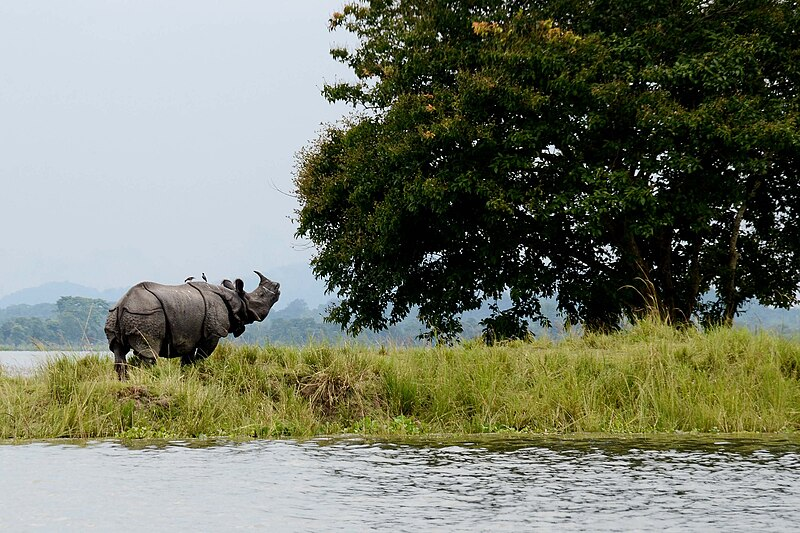
There is an opportunity for photographers who wish to take photographs of the landscape, as the seasonal floods in and around Kaziranga create reflections, mist, and other captivating features.
The rhinoceros may be the headliner, but the other parts of Kaziranga, with its riverine landscapes and forest trails, capture India’s northeast in the wilderness, beautifully.
| Famous For | Details |
|---|---|
| One-Horned Rhinoceros | UNESCO site known for its rhino population. |
| Elephant Safaris | Unique wildlife viewing experience. |
| Birdwatching | Over 480 species, including pelicans and storks. |
| Eastern Swamp Deer | Rare deer species native to the park. |
| Brahmaputra Floodplains | Beautiful misty landscapes perfect for photography. |
6. Nagarhole National Park, Karnataka
Nagarhole National Park, part of the Nilgiri Biosphere Reserve, is a forest sanctuary. The reserve has rich and varied flora and fauna.
The combination of teak and bamboo forests with streams and waterfalls provides photographers with enchanting natural scenery.
The park hosts a variety of wildlife, including tigers, leopards, elephants, gaurs, and many birds.
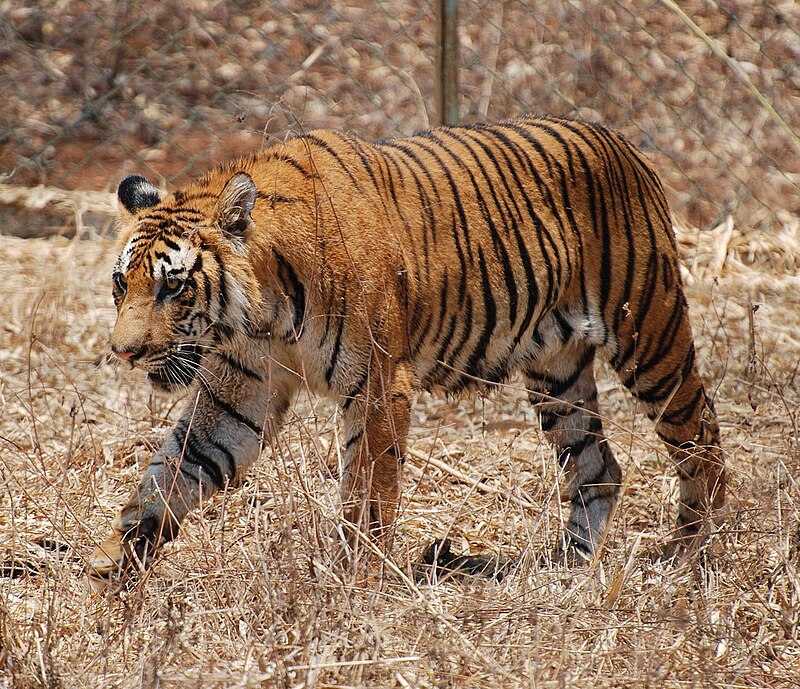
The early morning safaris, with the mist hovering over the river and the forested hills, create scenes fit for a movie and for wildlife and landscape photographers.
The monsoon and the winter provide such a contrast in the colour of the landscape that it could easily be mistaken for two different places.
The reserve provides the perfect combination of wildlife and landscape photography, especially in the heart of southern India’s forested region.
| Famous For | Details |
|---|---|
| Asiatic Elephants | Large herds commonly sighted. |
| Kabini River | Prime location for tiger and leopard photography. |
| Teak & Sandalwood Forests | Dense greenery perfect for forest shots. |
| Birdlife | Over 250 bird species, including crested hawk-eagles. |
| Boat Safaris | Offers a different photographic perspective of wildlife. |
7. Pench National Park, Madhya Pradesh
Resting in Satpura-Maikal hills, Pench National Park is the0 place where Rudyard Kipling was inspired to write ‘The Jungle Book’.
The honor is for Pench. It is a combination of diverse hills, forests, and meadows with different types of biodiversity, giving the area a beautiful scenery for wildlife photography.
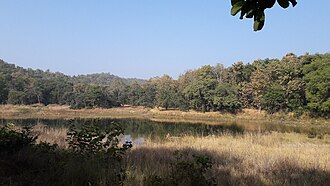
A herd of reindeer and a variety of big cats including tigers and leopards are apt for close wildlife photography. Different types of take change the landscape visually. For a photographer
The Pench River is a marvelous addition with its reflections and changing scenery. The best time for wfh in Pench is the dry season.
The wildlife and landscape photography in central India receives smoke and mirrors of the plant home.
| Famous For | Details |
|---|---|
| Inspiration for “The Jungle Book” | Rudyard Kipling’s famous novel was based here. |
| Bengal Tigers | Regular sightings of big cats. |
| Pench River | Adds scenic charm and reflection shots. |
| Deers & Gaurs | Common herbivores for action photography. |
| Bird Species | Over 300 types, including hornbills and kingfishers. |
8. Ranthambore National Park, Rajasthan
Ranthambore National Park is renowned for its population of tigers, as well as for the ruins of ancient forts, and is a photographer’s dream.
The dry deciduous forests, rocky outcrops, and rugged terrain of the park ensure a variety of dramatic backdrops for wildlife photography.
In addition to tigers, Ranthambore is home to leopards, sloth bears, and marsh crocodiles which can be easily photographed and are often framed by the Fort and the park’s lakes.
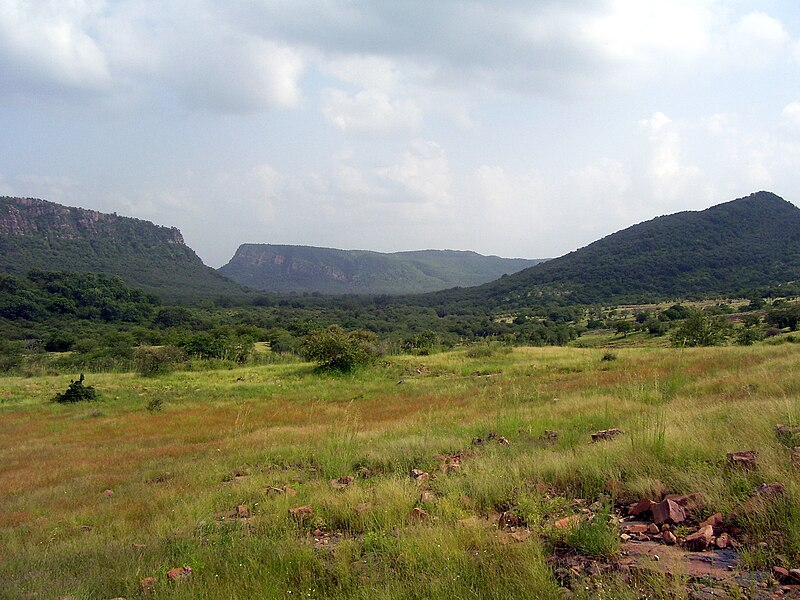
The light during morning and afternoon safaris is ideal for taking photos of animals and the landscapes.
The park is wonderfully diverse to photograph, as the monsoons bring lush greenery and in winter, the dry earth tones take over.
The unique combination of history, wildlife, and natural beauty offers Ranthambore a diverse photographic portfolio.
| Famous For | Details |
|---|---|
| Royal Bengal Tigers | Iconic tiger reserve with great visibility. |
| Ranthambore Fort | UNESCO Heritage site inside the park. |
| Padam Talao Lake | Photogenic lake with lotus blooms and crocodiles. |
| Jogi Mahal | Historic lodge near the lake for landscape shots. |
| Leopard & Sloth Bear | Frequently photographed wildlife species. |
9. Tadoba National Park, Maharashtra
Maharashtra’s Tadoba Andhari Tiger Reserve is one of India’s oldest and largest National Parks, and is famous for tiger sightings.
The teak and bamboo forests, combined with grasslands, create stunning scenery for wildlife photographers.
Here, photographers can photograph tigers, leopards, wild dogs, and sloth bears, and can photograph the various habitats and tigers, leopards, wild dogs, and sloth bears.
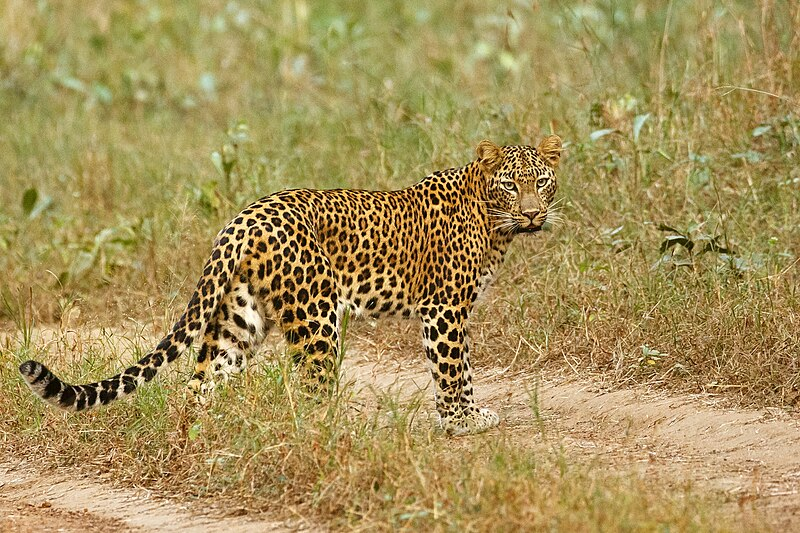
The early morning safari rides are especially magical, with mist creating a spooky ambiance over the grasslands and water holes.
The seasonal changes, which range from the dryness of winter to the greenery of the monsoons, provide even greater variety.
With its range of varying habitats, including dense forests, open spaces, and diverse wildlife, all types of photography and wildlife are possible.
| Famous For | Details |
|---|---|
| High Tiger Density | One of the best parks for tiger photography. |
| Tadoba Lake | Perfect for sunrise and reflection shots. |
| Dense Bamboo Forests | Create cinematic forest frames. |
| Sloth Bears & Wild Dogs | Commonly spotted predators. |
| Migratory Birds | Excellent destination for birdwatching in winter. |
10. Bandhavgarh National Park, Madhya Pradesh
Good picture opportunities with the right techniques are achievable at Bandhavgarh National Park, Madhya Pradesh, famous for its past fort at Bandhavgarh Hill and having high densities of tigers.
The variant topography of the park—rocky hills, extensive grasslands, and thick woods—allows photographers great chances to experiment with diverse compositions.
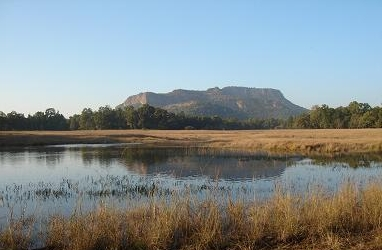
The early morning wilderness safaris give great light for wildlife pictures with the soft gold and during monsoon season
The rich green foliage and misty mornings dotted with sunlit clearings are perfect for capturing both the wildlife and the landscape.
In addition to the varied wildlife, the ample landscape and being historical makes it an ideal location to photograph for nature and wildlife serious photographers.
| Famous For | Details |
|---|---|
| Highest Tiger Density | Best chance to photograph wild tigers. |
| Bandhavgarh Fort | Ancient ruins offering scenic panoramas. |
| Sambar & Chital Deer | Commonly spotted prey animals. |
| Leopards & Jackals | Frequently seen in forest clearings. |
| Bird Photography | Over 250 species including peacocks and parakeets. |
Conclusion
A conclusion India’s varied terrains and beautiful animals can certainly be considered a wonder for photographing nature and for forestry photography.
From the Tiger Trails and Jim Corbett and Ranthambore to the placid valleys of Spiti and the waterfalls of Athirapally, each stop is a complete package of capturing wild animals, beautiful scenery and varied ecosystems.
These places guarantee best memories to the photographer who is in search of beauty and adventure at the same time.
FAQ
Which is the best national park in India for tiger photography?
Jim Corbett, Ranthambore, Bandhavgarh, and Tadoba are ideal for spotting and photographing tigers.
When is the best time to visit Spiti Valley?
April to June and September to October, when the weather is pleasant and roads are accessible.
Can beginners do wildlife photography in these parks?
Yes, guided safaris and professional tours make it beginner-friendly.
Which park is famous for Asiatic lions?
Gir Forest National Park in Gujarat.
Are these destinations suitable for bird photography?
Yes, Kaziranga, Nagarhole, and Jim Corbett are excellent for diverse bird species.