

In this post , I will explore the Best UNESCO World Heritage Sites in Europe and discuss some of the continent’s most memorable landmarks that combine history, culture, and art.
- Key Points & Best UNESCO World Heritage Sites In Europe
- 10 Best UNESCO World Heritage Sites In Europe
- 1. Colosseum, Italy
- 2. Acropolis of Athens, Greece
- 3. Stonehenge, England
- 4. Mont-Saint-Michel, France
- 5. Alhambra, Spain
- 6. Schönbrunn Palace, Austria
- 7. Old Town of Dubrovnik, Croatia
- 8. Vatican City, Vatican
- 9. Bruges Historic Centre, Belgium
- 10 Neuschwanstein Castle, Germany
- Conclusion
- FAQ
These sites testify to Europe’s beauty and universal cultural importance, from ancient wonders such as the Colosseum and the Acropolis to the Neuschwanstein fairy-tale castles, and they draw millions of tourists every year.
Key Points & Best UNESCO World Heritage Sites In Europe
| UNESCO World Heritage Site | Key Points / Highlights |
|---|---|
| Colosseum, Italy | Ancient Roman amphitheater; symbol of Imperial Rome; hosts gladiatorial history; architectural marvel built in 80 AD. |
| Acropolis of Athens, Greece | Ancient citadel atop a rocky hill; home to the Parthenon; represents classical Greek art, culture, and democracy. |
| Stonehenge, England | Prehistoric stone circle; mysterious origins; believed to be an ancient astronomical observatory or ritual site. |
| Mont-Saint-Michel, France | Island commune with medieval abbey; surrounded by tidal waters; stunning Gothic architecture and scenic views. |
| Alhambra, Spain | Moorish palace-fortress complex in Granada; Islamic art and architecture masterpiece; lush gardens and courtyards. |
| Schönbrunn Palace, Austria | Former imperial summer residence; Baroque style; includes vast gardens and historic zoo (world’s oldest). |
| Old Town of Dubrovnik, Croatia | Walled coastal city; marble streets and baroque buildings; known as the “Pearl of the Adriatic.” |
| Vatican City, Vatican | World’s smallest country; home to St. Peter’s Basilica, Sistine Chapel, and Michelangelo’s masterpieces. |
| Bruges Historic Centre, Belgium | Well-preserved medieval town; canals, cobblestone streets, and Gothic architecture; romantic ambiance. |
| Neuschwanstein Castle, Germany | Fairytale castle in Bavaria; built by King Ludwig II; inspired Disney’s Sleeping Beauty Castle. |
10 Best UNESCO World Heritage Sites In Europe
1. Colosseum, Italy
Constructed in 80 AD, the Colosseum in Rome, ancient’s Rome, stands for one of the most greatest architectural and engineering feats.
The ‘Flavian amphitheatre’, as it was named, was the primitive theatre for gladiators and roman spectators, holding 50,000 spectators, showing public and mythical dramas.
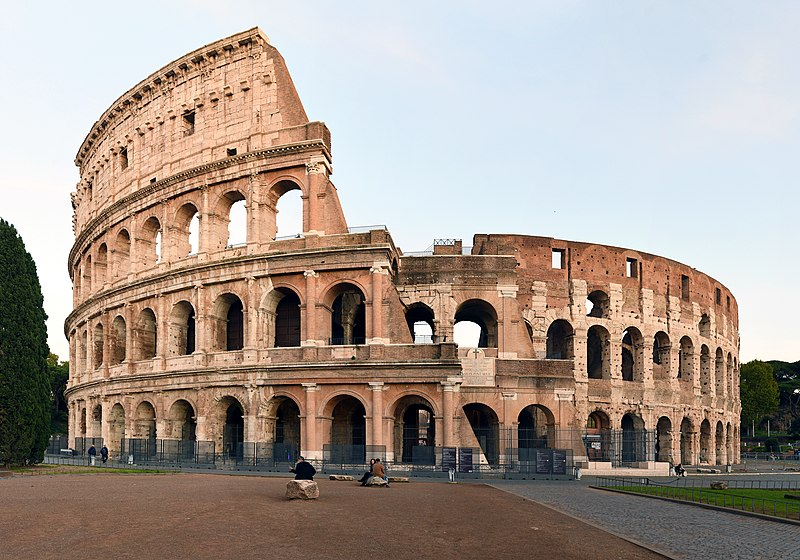
The magnificence and martial spirit of the roman Empire can still be felt. The structure is still mostly intact.
When u feel and walk across the arches and corridors, all u can feel is the spirit of ancient games and celebrations of the roman citizens, and of the empire in the 80 ad.
| Famous For | Details |
|---|---|
| Architecture | Ancient Roman amphitheater built in 80 AD, elliptical design. |
| Events | Hosted gladiator battles, animal hunts, and grand spectacles. |
| Symbol Of | Power of the Roman Empire and ancient engineering brilliance. |
| Location Highlight | Heart of Rome, near the Roman Forum and Palatine Hill. |
2. Acropolis of Athens, Greece
The Acropolis of Athens is one of the most important symbols of ancient Greek civilization.
The Parthenon, the Erechtheion, and the Temple of Athena Nike are pieces of architecture that form the very heart of Athens.
Democracy, beauty, and philosophy are the values that the Acropolis celebrates and promotes.

The Acropolis was constructed under Pericles in the 5th century BC, which was the apex of Greek art and architecture.
Greek culture and civilization is profoundly influential, and the Acropolis is a part of that legacy.
Now, the Acropolis invites visitors to wander through its marble temples, take in superb views of the city, and embrace the origins of Western civilization and classical thought.
| Famous For | Details |
|---|---|
| Main Monument | The Parthenon, dedicated to goddess Athena. |
| Cultural Importance | Symbol of democracy and classical Greek civilization. |
| Architectural Style | Doric and Ionic temples from the 5th century BC. |
| Panoramic Views | Offers stunning views over modern Athens. |
3. Stonehenge, England
One of the most famous prehistoric monuments in the world, Stonehenge, stands in Wiltshire, England. With large stones in a circular position
it was constructed around 3000 BC. Some archaeologists think that it may have been an observatory, a sacred site, or burial grounds.
The intricate construction of the site remains a puzzle as the stones were brought from miles away, and the site was possibly constructed with primitive techniques.
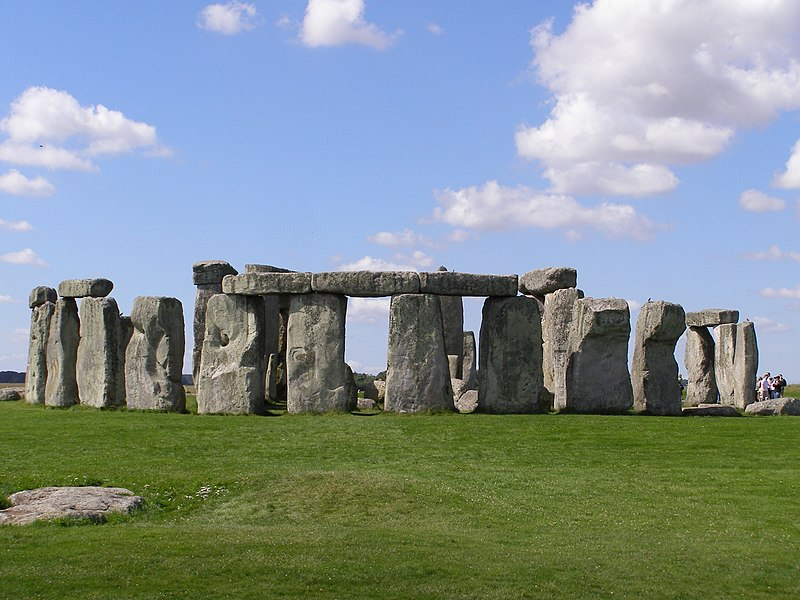
Stonehenge is still an important site, surrounded with legends. The stones show the ability of ancients to calculate and predict
The position of the sun and other heavenly bodies. This makes it a fascinating piece of engineering coupled with spirituality.
| Famous For | Details |
|---|---|
| Structure | Prehistoric stone circle built around 3000 BC. |
| Purpose | Believed to be an astronomical observatory or ritual site. |
| Mystery | Stones transported from over 150 miles away. |
| Alignment | Perfectly aligned with summer and winter solstices. |
4. Mont-Saint-Michel, France
Located in Normandy, France, Mont-Saint-Michel is a breathtaking island commune. At the peak of the island is a beautiful Gothic abbey dedicated to the Archangel Michael that dominates the island and the silhouette of the commune.
The island is a UNESCO site as it comprises a mixture of medieval architecture, winding narrow streets, and fabulous panoramic views.
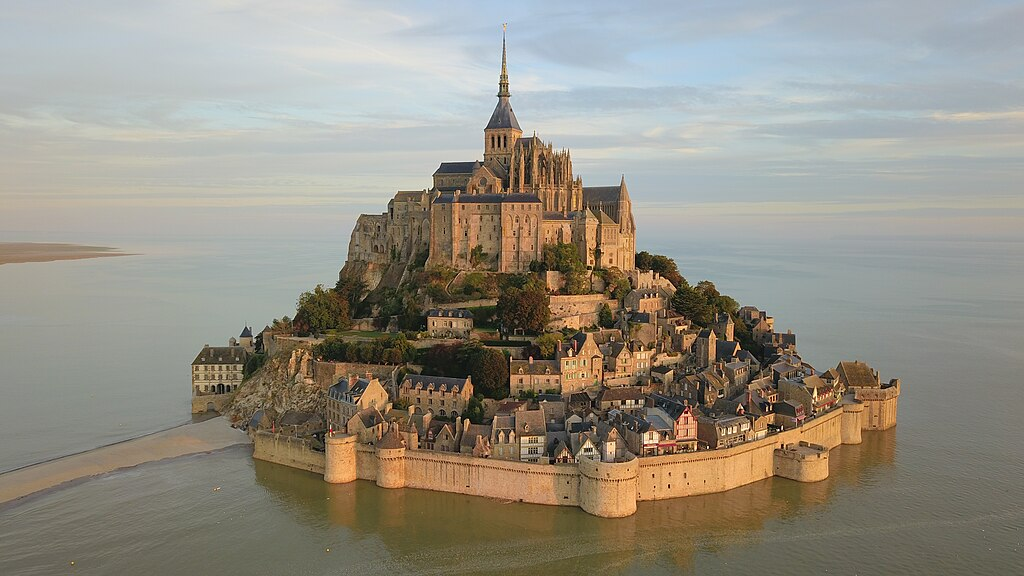
The abbey was built and developed for 5 centuries, between the 11th and 16th centuries. It was used for many purposes of a religious and military nature, in the form of a monastery
fortress, and a place of pilgrimage. The island and the history it represents is an incredible added value to a country already quite rich in history and antiquity.
| Famous For | Details |
|---|---|
| Unique Setting | Island commune surrounded by tidal waters. |
| Main Attraction | Mont-Saint-Michel Abbey – Gothic architecture masterpiece. |
| History | Monastic site since the 8th century. |
| Special Feature | Becomes an island at high tide and accessible by causeway at low tide. |
5. Alhambra, Spain
The Alhambra in Granada, Spain, is a masterpiece of Moorish art and architecture. Constructed during the 13th and 14th centuries by the Nasrid dynasty
The palace-fortress complex has intricately carved stuccos, elegant arches and peaceful courtyards.
Overlooking the Sierra Nevada mountains, the Alhambra harmoniously combines Islamic artistry and the natural landscape.
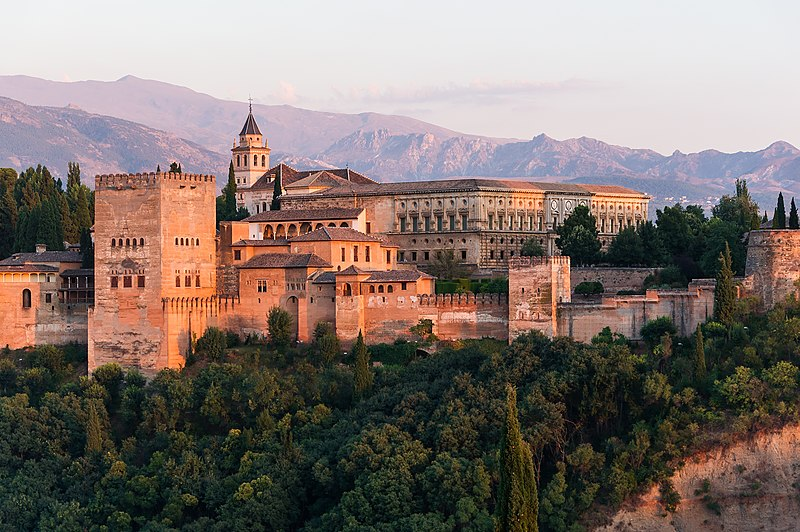
The splendid Generalife gardens, a retreat for the royals, adds to the peacefulness of the palace complex. Every wall and every fountain tell the tale of Andalusia and a fusion of it varied cultures.
Alhambra is a masterpiece ie is Spain and Europe. Alhambra is a masterpiece of Islamic architecture in Europe and is a representation of Granada.
The fusion of Islamic art and the Andalusian architecture at Alhambra, it part of the Spanish heritage.
| Famous For | Details |
|---|---|
| Architectural Style | Islamic-Moorish art with intricate carvings and arches. |
| Main Sites | Nasrid Palaces, Generalife Gardens, Alcazaba Fortress. |
| Historical Era | Built during 13th–14th centuries by Nasrid dynasty. |
| Location | Overlooks Granada with views of the Sierra Nevada. |
6. Schönbrunn Palace, Austria
Schönbrunn Palace located in Vienna, Austria, was a Habsburg summer residence. The Baroque palace and its 1,441 rooms and immensely royal interiors was and still is a fantastic sight built in the 17th century.
The palace grounds are still enchanting with the oldest zoo in the world, beautifully designed gardens, the ancient fountains, and with the endless palace and zoo, the world has the oldest zoo.
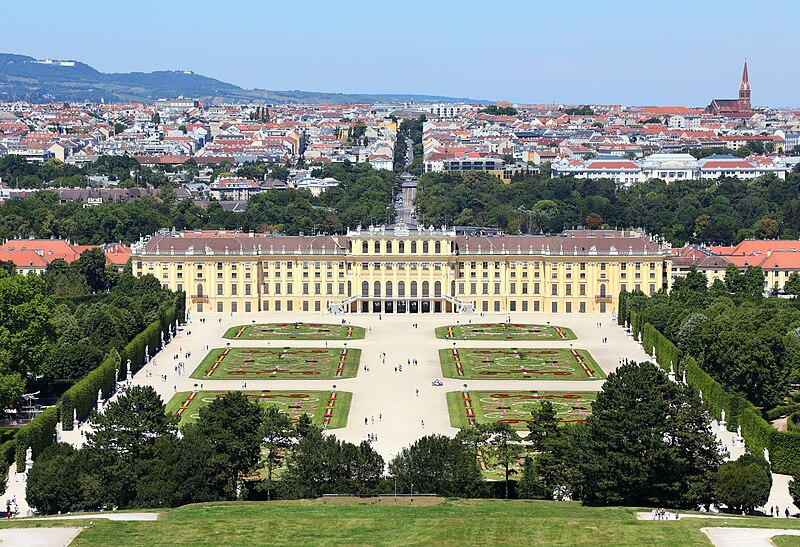
Empress Maria Theresa lived in Schönbrunn and rooms witnessed the rise of Napoleon and other important historical events. Iconic of Austria and its rich history the palace has artistic and imperial grandeur.
Visitors are still able today to see the royal apartments, walk the grounds and see the cultural history of the palace and the surrounding area of Vienna.
| Famous For | Details |
|---|---|
| Architecture | Baroque-style imperial palace with 1,441 rooms. |
| Historical Residents | Empress Maria Theresa and the Habsburg family. |
| Attractions | Vast gardens, fountains, Gloriette viewpoint, and oldest zoo in the world. |
| Cultural Role | Center of Austrian imperial life and culture. |
7. Old Town of Dubrovnik, Croatia
As the ‘Pearl of the Adriatic’, the Old Town of Dubrovnik is a medieval marvel located on the Dalmatian coast of Croatia. It is a beautifully preserved medieval city.
It is surrounded by 16th century massive stone walls. The Old Town of Dubrovnik consists of beautifully cobbled streets, and impressive gothic and baroque buildings.
Withstanding earthquakes and wars, The Old Town of Dubrovnik has become a symbol of history and resilience.
The Old Town of Dubrovnik has buildings of api ancient and monumental elegance. It has been a site of the The Old Town of Dubrovnik has been a site of the api ancient and monumental elegance.
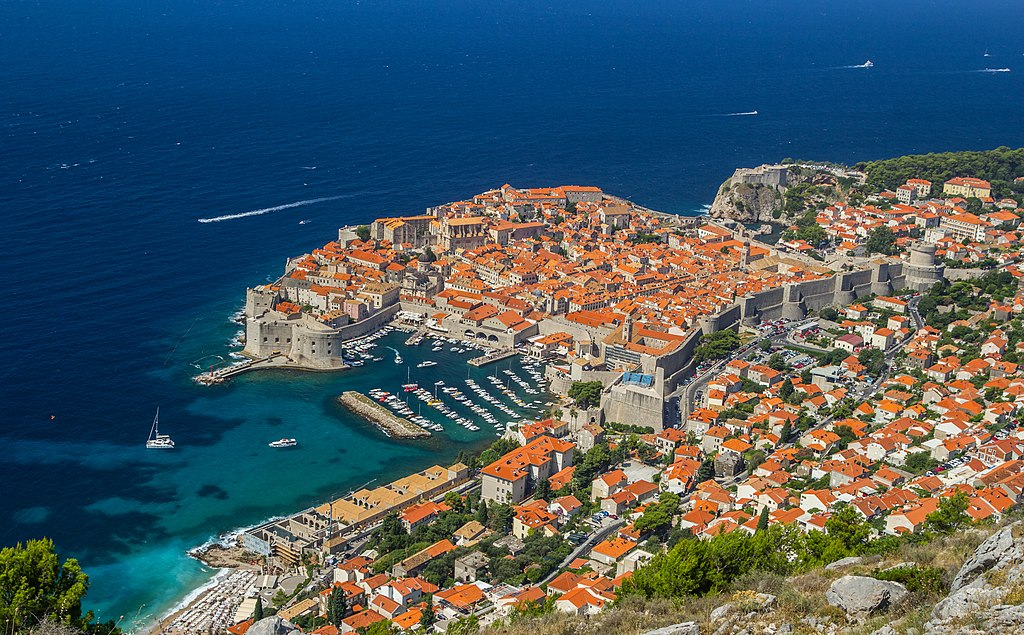
It has been a site of the Rector’s and Sponza Palaces and has been loved to api the Stradun street.
It has been recognized by UNESCO for its architecture and culture. In recent years, The Old Town of Dubrovnik has been loved and adored as a filming site of the game of thrones.
| Famous For | Details |
|---|---|
| City Walls | 2 km long medieval fortifications surrounding the city. |
| Architecture | Blend of Gothic, Renaissance, and Baroque styles. |
| Landmarks | Rector’s Palace, Sponza Palace, Stradun Street. |
| Modern Fame | Filming location for Game of Thrones (“King’s Landing”). |
8. Vatican City, Vatican
Vatican City is home to over a billion Catholics and is the smallest country in the world. In 1984, it became a designated UNESCO World Heritage Site, and it contains monumental world-famous places such as St.
Peter’s Basilica, St. Peter’s Square, and Michelangelo’s Sistine Chapel, home to the painter’s glorious frescoes. The Vatican Museums are a treasure trove containing a multitude of priceless works of art.
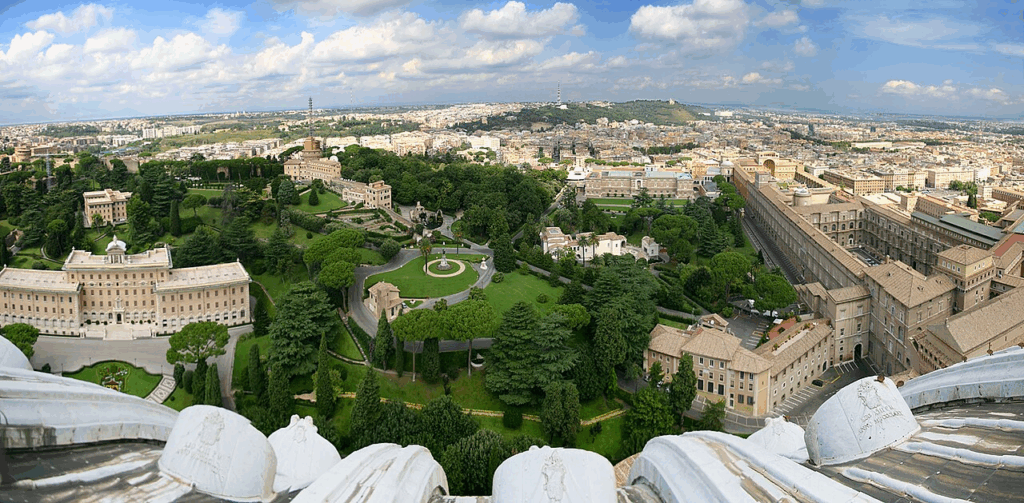
The Vatican is a surprisingly small place, yet its influence in the world is immense—religion, art, and history all converge here.
A visitor to Vatican City can appreciate the world’s finest Renaissance architecture, great sacred art, and spirituality that is unlike any other place in the world.
| Famous For | Details |
|---|---|
| Landmarks | St. Peter’s Basilica, Sistine Chapel, Vatican Museums. |
| Artworks | Michelangelo’s frescoes and Renaissance masterpieces. |
| Significance | Center of the Roman Catholic Church. |
| Unique Fact | Smallest independent state in the world. |
9. Bruges Historic Centre, Belgium
The Historic Centre of Bruges, Belgium, is a fairy-tale medieval town famous for its romantic canals and cobblestone streets.
Once a thriving trading hub during the Middle Ages, Bruges preserves its historic charm with Gothic churches, picturesque squares, and elegant guild houses.
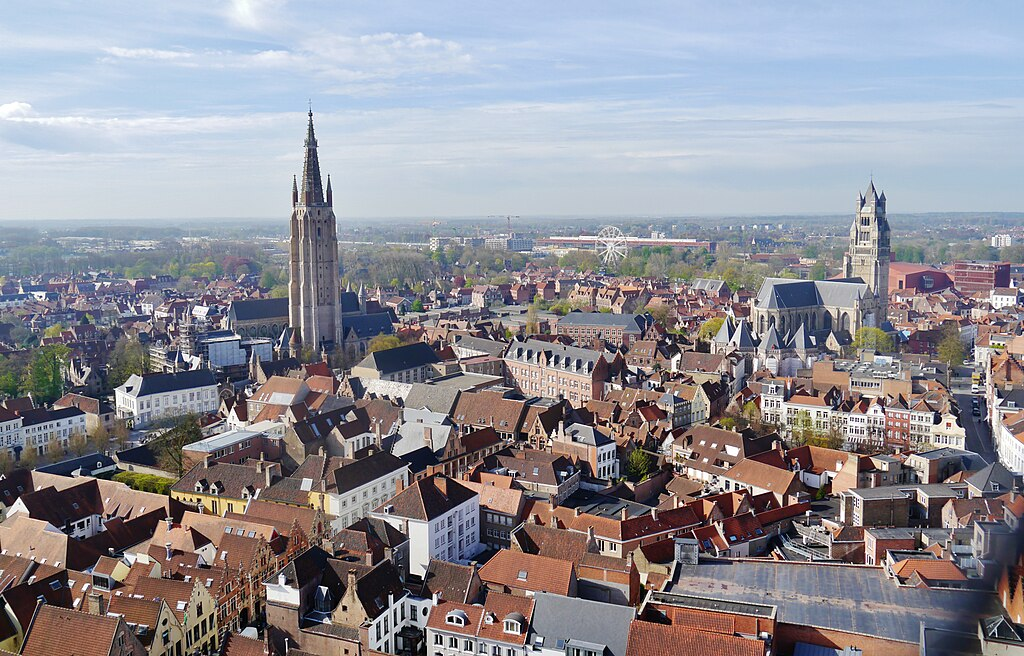
Landmarks like the Belfry Tower and Market Square reflect the city’s rich mercantile past. The gentle sound of horse-drawn carriages and the aroma of Belgian chocolate add to its allure.
Recognized by UNESCO for its well-preserved architecture, Bruges offers a journey back in time, blending history, art, and culture in one of Europe’s most enchanting cities.
| Famous For | Details |
|---|---|
| Nickname | “Venice of the North” for its canals. |
| Architecture | Gothic buildings and medieval cobblestone streets. |
| Landmarks | Belfry Tower, Market Square, Church of Our Lady. |
| Special Charm | Romantic canal views and Belgian chocolate shops. |
10 Neuschwanstein Castle, Germany
Neuschwanstein Castle in the state of Bavaria, Germany, is the ideal fairy-tale castle. Built in the 19th centry by King Ludwig II, the romantic castle sits beautifully on a steep hill with views of the alpine forests.
The castle’s towers, turrets, and frescoes are inspired by the medieval legends and the operas of Richard Wagner.

Although never finished, Neuschwanstein’s dreamy design has inspired countless people and has been the inspiration for Disney’s Sleeping Beauty castle.
Surrounded by beautiful landscapes, Neuschwanstein is the perfect combination of fantasy and royal ambition. It is a UNESCO World Heritage Site for a reason.
| Famous For | Details |
|---|---|
| Style | Romantic Revival architecture with fairy-tale design. |
| Built By | King Ludwig II of Bavaria in the 19th century. |
| Inspiration | Inspired Disney’s Sleeping Beauty Castle. |
| Setting | Perched on a hill with breathtaking alpine views. |
Conclusion
In conclusion, Europe’s UNESCO World Heritage Sites are testaments to Europe’s history, culture, and architectural accomplishments.
From the ancient wonders of the Colosseum and the Acropolis to the fairytale marvels of Neuschwanstein Castle, each site communicates a story.
These treasures are exceptional, and visiting them is a testament to the centuries of human imagination, faith, and innovation that make Europe a living museum of world heritage.
FAQ
What is a UNESCO World Heritage Site?
A UNESCO World Heritage Site is a landmark recognized for its cultural, historical, or natural significance to humanity.
How many UNESCO World Heritage Sites are in Europe?
Europe has over 400 UNESCO World Heritage Sites across various countries.
Which is the most visited UNESCO site in Europe?
The Colosseum in Rome, Italy, is among the most visited.
What is the oldest UNESCO site in Europe?
Stonehenge in England is one of the oldest, dating back to 3000 BC.
Which UNESCO site represents ancient Greece?
The Acropolis of Athens showcases ancient Greek civilization and democracy.