Having traveled to different countries, this article examines the common travel scams around the world (And How to Avoid Them) while combating fraud abroad.
- Key Poinst & Common Travel Scams Around the World (And How to Avoid Them)
- 18 Common Travel Scams Around the World (And How to Avoid Them)
- 1. Fake Taxi Drivers
- 2. Street Performer Distractions
- 3. Petition Signing Scam
- 4. ATM Skimming Devices
- 5. Friendship Bracelet Scam
- 6. Fake Attraction Tickets
- 7. Fake Hotel Calls
- 8. Fake Police Officers
- 9. Currency Exchange Fraud
- 10. Expensive Bar Invitations
- 11. Rental Scams
- 12. Luggage Distraction Theft
- 13. Free Gift Trick
- 14. Fake Public Wi-Fi’
- 15. Restaurant Bill Inflation
- 16. Long Route Taxi Scam
- 17. Fake Charity Donations
- 18. Shoe Cleaning Scam
- Conclusion
- FAQ
Fake taxi drivers, fraudulent public Wi-Fi, and these are the most popular tourist scams you should know to prevent losing money, as well as carrying luggage abroad safely, or simply have a worry-free journey.
So a little smart preparation and awareness can make every journey around the world safer, smoother, and far more enjoyable.
Key Poinst & Common Travel Scams Around the World (And How to Avoid Them)
| Scammers have dirty shoes, demanding payment after unwanted cleaning services are performed immediately. | Explanation |
|---|---|
| Fake Taxi Drivers | Drivers overcharge tourists using fake meters and unnecessary routes through unfamiliar cities. |
Street Performer Distractions | Crowds watching performers allow pickpockets opportunities stealing wallets and phones unnoticed nearby. |
Petition Signing Scam | Fake petition collectors distract travelers while accomplices quietly steal valuables from pockets. |
| ATM Skimming Devices | Hidden card readers copy banking information during ATM transactions abroad secretly daily. |
| Friendship Bracelet Scam | Scammers force bracelets onto tourists, demanding aggressive payments afterward in crowded attractions. |
| Fake Attraction Tickets | Counterfeit tickets sold outside attractions leave travelers denied entry without refunds completely. |
| Fake Hotel Calls | Scammers pretending hotel staff request card details, stealing financial information immediately afterward. |
| Fake Police Officers | Fraudulent officers inspect passports before demanding fake fines or stealing valuables illegally. |
| Currency Exchange Fraud | Dishonest exchangers provide counterfeit money or unfair rates targeting confused tourists regularly. |
| Expensive Bar Invitations | Friendly strangers invite tourists into bars charging outrageous hidden drink prices afterward. |
| Vacation Rental Scams | Fake accommodation listings collect deposits before disappearing without providing booked properties afterward. |
| Luggage Distraction Theft | Scammers create distractions while partners steal unattended luggage from travelers nearby quickly. |
| Free Gift Trick | Tourists accepting free gifts suddenly face aggressive payment demands from scammers afterward. |
| Fake Public Wi-Fi | Unsecured fake networks steal passwords, emails, and banking details from connected travelers. |
| Restaurant Bill Inflation | Restaurants add hidden charges, surprising tourists with expensive unexpected final bills later. |
| Long Route Taxi Scam | Taxi drivers intentionally extend journeys, increasing fares through unnecessary city detours repeatedly. |
| Fake Charity Donations | Scammers collect donations pretending support charities, keeping money for personal profit instead. |
| Shoe Cleaning Scam | Scammers dirty shoes intentionally, demanding payment after unwanted cleaning services performed immediately. |
18 Common Travel Scams Around the World (And How to Avoid Them)
1. Fake Taxi Drivers
Fake taxi drivers are one of the most common travel scams in the world and especially around airports and tourist attractions.
Others use broken meters, create fake taxi logos, or say official taxis are not available. Rideshare impersonation scams peaked with travelers reporting that drivers impersonated rideshare companies’ apps and branding.

Up to 2026, check license plates, use reputable ride-hailing services, and never get into an unmarked car. Find out what the local fare charges are before you make a journey.
Sharing family details during international travel, such as trip information with the people at home and taking screenshots of ride details improves safety a lot.
2. Street Performer Distractions
Street performer distractions are more common in crowded tourist areas of Europe and Asia. The tourists watch the dancers, musicians, or magic tricks for entertainment, and careful pickpockets are busy snatching phones, wallets, and bags.
As you may know from modern flocking scams, typically groups of thieves work together using distractions around busy points of interest.
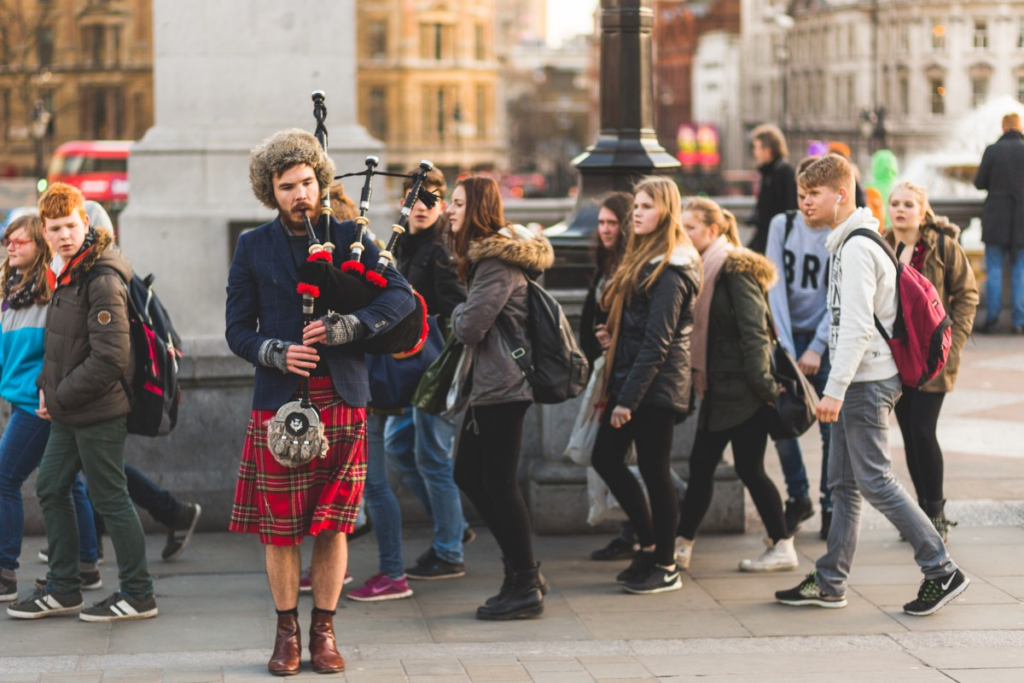
The travelers have to hold the valuable things with anti-theft bags and also keep their phones in their pockets, not loosely.
When you can stay on alert in overcrowded streets and never be part of lurching circles of well-known traveller areas, the risks drop sharply whilst travelling round the world, securely and unafraid.
3. Petition Signing Scam
Another common one is petition-signing scams, which are often seen near sites of historical significance, as well as train stations and major monuments.
In the course of those conversations, scammers feign collecting signatures for charitable or social issues/disabilities.

Simultaneously, a gang could be stealing wallets, passports, or smartphones without anybody seeing.
Then, fake donation systems also appeared in recent years on digital tablets, where the person secretly receives banking information.
Politely decline when asked to sign petitions of unknown origin, and be very careful in publicly sharing your personal information.
How many times can one whitens the average traveler’s gait in order to protect from foreign prey by keeping valuables hidden and fiercely remaining wary around unfamiliar strangers?
4. ATM Skimming Devices
People Work the World ATM Skimmers – Hidden Cameras Have Become More Adult with Wireless Data Theft Technology Being Used in Scams all over the globe and on ATM machines.
Criminals are known to secretly attach skimming devices to ATM machines, stealing card and PIN numbers instantaneously. Tourist hotspots are still a prime target as travellers tend to use cash more abroad.
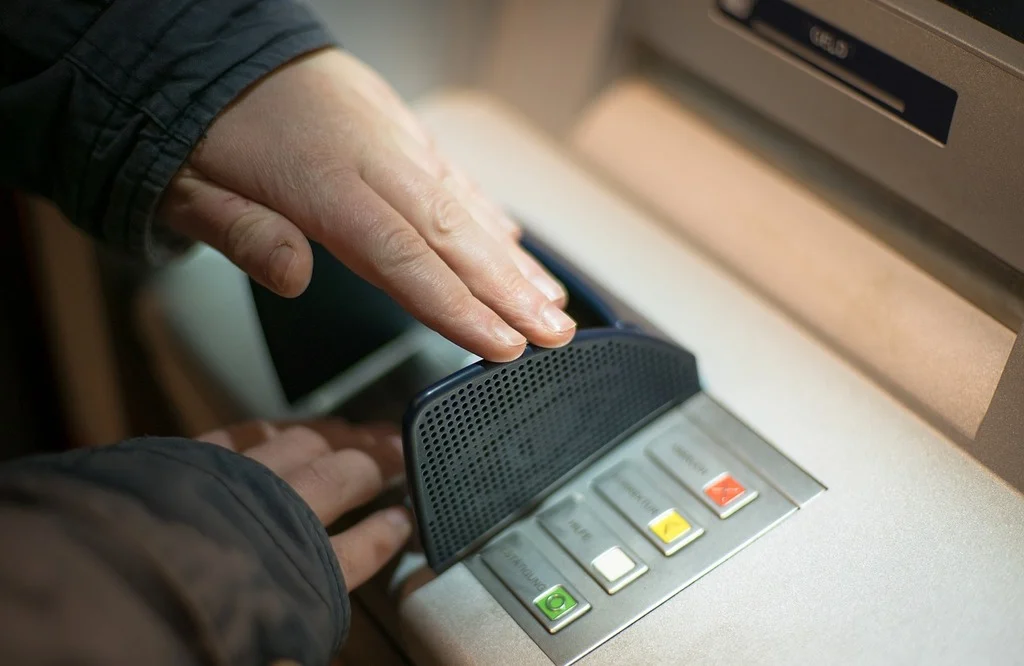
And the rise of contactless skimming to steal tap-to-pay cards in busy transit centres. Protect your ATM visit by thoroughly checking the machine before using it
Shielding the keypad when entering a PIN and steering clear of awkward situations that could only contain standalone machines.
There is more security while traveling internationally or on vacations using a bank’s indoor ATM.
5. Friendship Bracelet Scam
Friendship bracelet scam — This often targets tourists at major sites in Paris, Rome, and Barcelona. Scammers approach travelers in a friendly manner, putting bracelets around their necks and then demanding money in an impolite manner.
Certain gangs separate victims while others steal property. Scammers also employ bracelet tricks, as well as selfie requests and free souvenir offers, in recent times.

The visitors must not be charmed by the overly friendly stranger who bars unwanted gifts. Traveling increasingly liberally is about keeping hands free
Walking with confidence — and so masterfully dodging unwanted attention that it never comes to confrontation or loss of money when abroad in crowds.
6. Fake Attraction Tickets
Trick attraction ticket scams are on the rise at popular tourist sites and sold-out events around the world.
Fraudsters offering fake tickets for top well-known museums, concerts, or theme parks outside using seemingly valid QR codes and printed confirmations.
It happens often because many of the tourists only find out that their tickets are invalid after standing in line for a long time.

Recently, there has been a rise in online fraud of digital tickets by means of cloning booking sites. Ticket Reservations Travel when you can only make brief pit stops.
Internationally, purchasing these incorrect reservations, preceded by careful validation of booking confirmations, prevents loss of experiences and money and ultimately disappointment during special vacations.
7. Fake Hotel Calls
Over the past five years, fake hotel calls have turned into sophisticated scams aimed at international travelers in major tourist towns worldwide.
Scam: Scammers impersonating hotel reception employees require credit card verification, claiming that there are errors in their payment system or issues with the booking.

Unwitting victims divulge sensitive banking information over the phone. In this fashion, cybercriminals are able to use leaked reservation data from hacked booking platforms in order to fake credible calls.
Occasionally, travelers never share monetary information over hotel telephones. Rather, go to the front desk in person and verify requests with actual hotel staff before entering your payment information anywhere.
8. Fake Police Officers
Scammers typically roam airports, train stations or other places abroad to find victims, and the classic “Fake police officer” scam targets tourists with passports, cash and high-value electronics.
Scammers wearing fake uniforms demand to identify themselves, accuse travelers of breaking the law or require immediate payment. Some of these criminals scoff at wearing fake police cars and counterfeit badges.

Such scams had been reported more recently near nightlife districts and transportation hubs. If tourists do receive such a request, they should be careful to ask for ID, whereas wallets should never actually be handed over.
This also applies to theft and extortion situations overseas, where the best way forward is visiting the closest police station together or contacting local authorities straight away.
9. Currency Exchange Fraud
Human stroke by Health counters (Fake psychics), Currency exchange fraud in airports and tourist markets, and border crossings all over the world, so look around two times.
Dishonest exchanges use false rates, hidden service fees, or counterfeit banknotes aimed at unsuspecting travelers who could have no idea of the value of local currency.

These days, modern scams will even send fake mobile payment confirmations during exchanges. Before changing money abroad, travelers should check official exchange rates on the Internet.
The risks are reduced massively if you use good banks/airport kiosks / trusted exchange offices. By taking care of counting money at the counter and abstaining from street exchangers, travelers manage to protect their economy while safely navigating abroad.
10. Expensive Bar Invitations
Bar invitation scams are also about who gets lonely while traveling, usually the most expensive ones that involve a|the friendly local inviting to explore out in nightlife, or someone seeking company.
It invites victims into bars or clubs where drinks have blown up secret expenses later. Certain places threaten tourists that a sizeable bill is coming for them to settle before they can leave.

For example, bar scams related to dating apps surged in tourist cities around the world. Tourists should check out night-time venues before arrival online, and not randomly escort strangers into unknown places.
The key to maintaining personal safety while abroad, both during the nightlife experience and midnight escapades with friends, is reading the menus before ordering and telling them about the destination.
11. Rental Scams
Under the del, instances of rental gyp by means of fake ads on social media and booking websites are still rapidly ascending.
When they grab real apartment photos, then scale it down to unrealistic discounts, then ask you for up-front payments, which just vanish without a trace.
Travelers show up at non-existent accommodations. Property images produced by AI are now making phoney advertisements look even more authentic on the internet.

Only trusted booking websites with verified reviews and secure payment systems should be used by tourists.
In our connected world, checking the histories of hosts and verifying addresses on mapping services massively mitigates the dangers of rental fraud when traveling overseas, now that you never transfer funds to a lender superior to your bank.
12. Luggage Distraction Theft
Luggage distraction theft happens at airports, train stations, and busy hotel lobbies around the world.
Using staged arguments, spilled drinks, or fake emergencies, scammers create chaos as accomplices snatch unattended bags in two seconds.
Travelers who are distracted by themselves with smartphones or check-in automatically become prime targets.

In recent times, charging stations have become a favourite hunting ground of thieves, especially since holidaymakers tend to remain at the station for a short time while they leave their devices plugged in.
With anti-theft luggage locks and physically keeping in touch with the bags, where the security is greatly utilized.
For international travel and vacation, travelers should avoid leaving personal belongings unattended, even just for a few seconds.
13. Free Gift Trick
Called the free gift trick, this scam is widespread among tourists who are offered a flower, souvenir, samples, or cultural items that are immediately projectile allegedly for free.
Once money has been agreed upon, scammers get aggressive, demanding payment and even making scenes on the street while the public watches as victims pay.
Popular tourist squares and transportation hubs are still the most common scam venues in the world.

To target younger travelers, newer versions generated fake promotional campaigns and stages of giveaways similar to social media influencers.
Be courteous to yourself and politely refuse any unsolicited items from strangers on the street, and do not linger with aggressive sidewalk salesmen.
After all, the point of strutting off in a blaze of glory is to not to create even more confrontations during hazardous sightseeing attempts to new locations on overseas travel romps!
14. Fake Public Wi-Fi’
Fake public Wi-Fi networks are much more dangerous even in airports, hotels, cafes, and transportation hubs worldwide.
The common network of connections is set up by the cybercriminals themselves, which disguises the real networks and then these scams steal passwords, banking details as well as sensitive travel information without even a trace.
Even modern-day hackers will also intercept social media logins as well as cryptocurrency wallets across insecure networks.

Avoid accessing financial accounts through public Wi-Fi networks. Absolutely, the use of VPN services and mobile data networks, along with 2FA, ensures for a strong online security.
To reduce the risk of getting connected to a dangerous fake internet hotspot when abroad, check with personnel what are named as official networks.
15. Restaurant Bill Inflation
One typical scam targets tourists eating out in neighbourhoods near major attractions and busy city centres across the world, where diners can be overcharged on restaurant bills.
Other, more familiar restaurants stake out negative info within the tricky bills aimed at tourists, serving you overpriced menu substitutes or charging other unauthorised fees.

Fake menus that show manipulated prices digitally also recently rose in QR-code menu scams. In an effort to reduce taxes or service charges, travelers must check menus thoroughly and verify prices beforehand.
Reading online reviews, it allows restaurants to identify dishonest restaurant. Ask for printed receipts and read the bills in detail before paying to avoid losing money when eating abroad.
16. Long Route Taxi Scam
On the long route taxi scam, basically drivers take us on longer trips by making unnecessary detours or using very congested roads.
Tourists new to the area are particularly vulnerable, especially when they leave the airport or travel late at night.
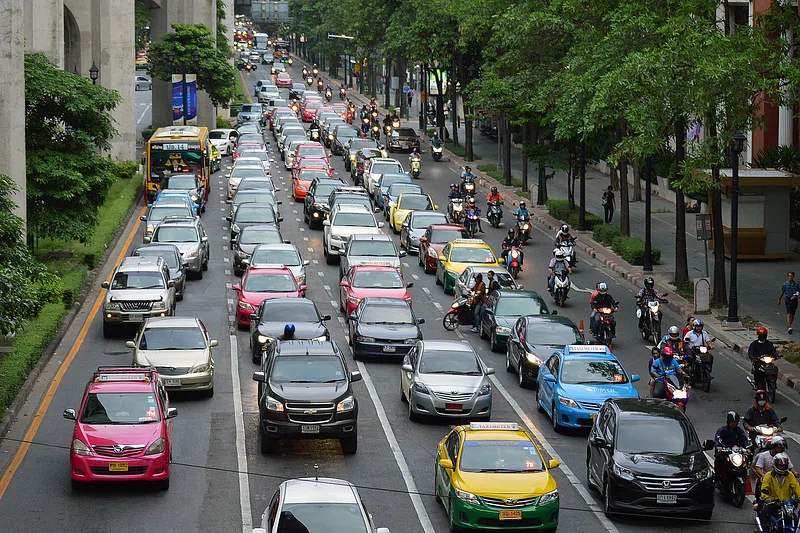
Read all: Manipulated GPS and (unfounded) navigation excuses are currently on the rise in major tourist destinations around the world Before riding in any taxi, travelers should check smartphone maps for the routes to take and should agree on an approximate fare whenever possible.
By selecting reputable rideshare apps, airport-approved taxi cabs, and cashless invoice payment during international travel today and grasped the loss of risk for transport fraud targets in one’s hands.
17. Fake Charity Donations
Charity donation scams targeting travelers usually rely on sad stories, counterfeit uniforms, and campaigns that pull your heartstrings.
Scammers say they are collecting money for disasters, children, or medical emergencies and pocket the money themselves.
In recent times, globally, we have had fake charity payments using QR codes and fraudulent donations in cryptocurrency.
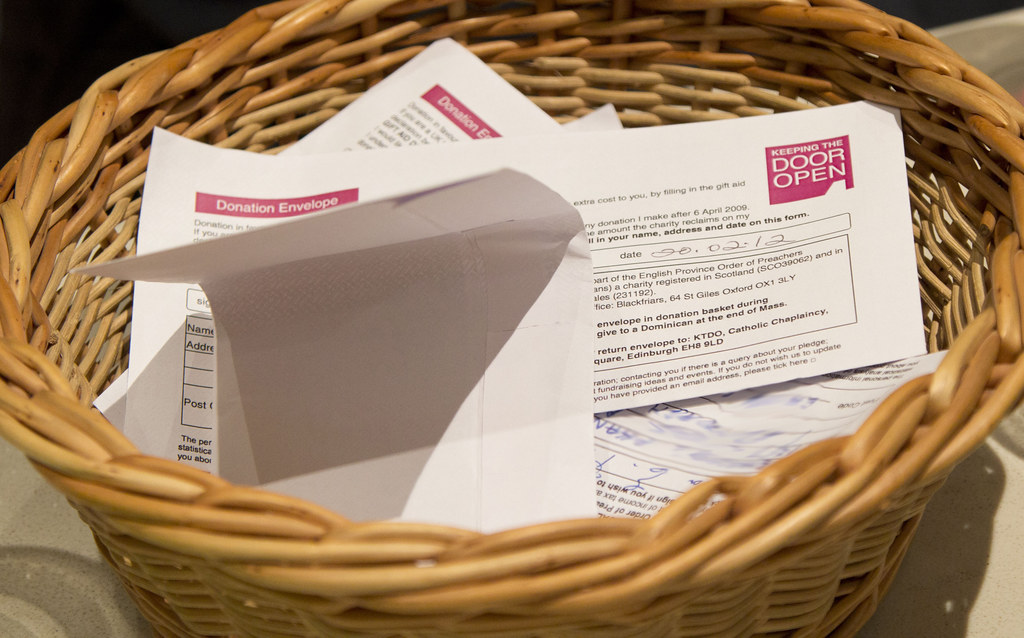
People traveling abroad with donation intentions should check organizations well before handing over any money.
Donating to registered charitable organisations via official websites remains the safest option. To help travelers avoid the pressure of being approached by potential street scammers in need and attempting to fund this work through crowdfunding sites
it is best practice for travelers who plan on donating their valuable funds towards these causes during any international trip or vacation worldwide to avoid applying this pressure tactic begging approach entirely and instead prepare more thoroughly with a simple online research.
18. Shoe Cleaning Scam
Even with this global awareness that travel scams can occur, the shoe cleaning scam is still incredibly prevalent in common tourist cities.
They deliberately drop brushes or spill substances on the path, then resort to illegal shoe cleaning services for tourists. Then they ask for an exorbitant sum and occasionally even stage public intimidation.

The modern day version is often where thieves target trendy travelers with fake demonstrations of protecting their high end athletic shoes.
If anyone tries to solicit cleaning work, tourists must simply walk away without uttering a single word. This behavior allows travelers to safely escape the threats found at busy international tourist sites and attractions associated with scammers.
Conclusion
Conclusion: Travel scams can occur anywhere, but awareness is the best prevention for travelers all around the world.
Whether fake taxis or Wi-Fi fraud, who knows what common scams have hit tourists in the city to lose money and get into agitated situations with ease.
Now that you are prudent, researching locations before travelling there, using trusted suppliers and guarding private assets greatly enhances trip safety.
With smart preparation, travelers can confidently explore while enjoying such experiences without being easily targeted by scammers abroad.
FAQ
What is the most common travel scam worldwide?
Fake taxi scams remain one of the most common tourist frauds globally.
How can tourists avoid pickpocket distractions?
Keep valuables secure and avoid crowded distraction zones near tourist attractions.
Are fake police scams still common in 2026?
Yes, especially around airports, nightlife districts, and busy transportation areas worldwide.
How do ATM skimming devices work?
Hidden devices steal card details and PIN numbers during ATM transactions secretly.