
In this article, I will talk about the Best Homestay Alternatives for Cultural Travelers—one-of-a-kind accommodations that, instead of a normal place to stay, offer a real cultural experience.
- Key Poinst & Best Homestay Alternatives For Cultural Travelers
- 10 Best Homestay Alternatives For Cultural Travelers
- 1. Eco-lodges
- 2. Farm stays
- 3. Heritage guesthouses
- 4. Monastery stays
- 5. Community-run hostels
- 6. Cultural Exchange Programs
- 7. Boutique inns
- 8. Artist residencies
- 9. Tribal village stays
- 10. Tea/coffee estate bungalows
- Conclusion
- FAQ
These include eco-lodges, farm stays, heritage guesthouses, and tribal village accommodations that enable travelers to participate in local customs, and interact with communities, to create a more memorable experience while visiting a location in an authentic and responsible manner.
Key Poinst & Best Homestay Alternatives For Cultural Travelers
| Alternative Stay | Key Cultural Point |
|---|---|
| Eco-lodges | Immersion in local ecology and sustainable practices |
| Farm stays | Hands-on experience with traditional agriculture and food culture |
| Heritage guesthouses | Stay in restored historic buildings with cultural storytelling |
| Monastery stays | Exposure to spiritual traditions, rituals, and contemplative life |
| Community-run hostels | Interaction with locals through shared activities and workshops |
| Cultural exchange programs | Live with families for language learning and cultural immersion |
| Boutique inns | Locally inspired design, cuisine, and personalized hospitality |
| Artist residencies | Engage with local art, crafts, and creative communities |
| Tribal village stays | Learn indigenous traditions, crafts, and folklore |
| Tea/coffee estate bungalows | Insight into plantation life and colonial-era heritage |
10 Best Homestay Alternatives For Cultural Travelers
1. Eco-lodges
Eco-lodges are great substitutes for classic homestays for cultural tourists who want a more immersive and sustainable experience.
Rather than conventional accommodations, eco-lodges are built to harmonize with the surroundings and employ the use of local traditional architecture and building materials.
They promote authentic cross-cultural interactions with their guests and at the same time aid local communities, artisans and conservation programs, by providing tourists with community participation activities, workshops and eco-guided tours.
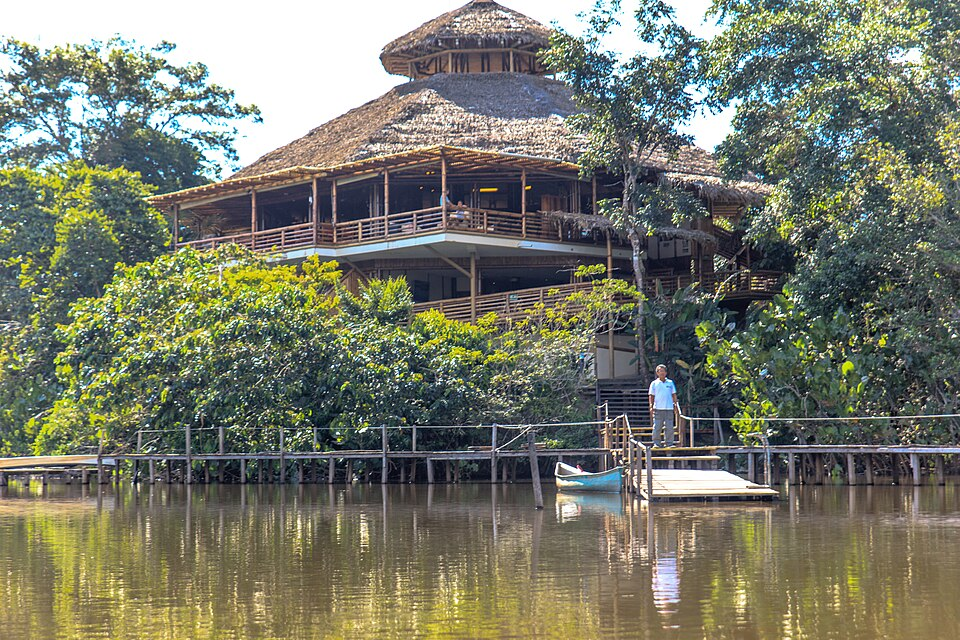
The primary and most salient differentiated value proposition remains the ability of tourists to experience responsible tourism without the community and natural environment being adversely affected.
For cultural travelers, eco-lodges offer the most sustainable and meaningful way to experience the destination.
| Key Highlight | Description |
|---|---|
| Sustainability | Built with eco-friendly materials and renewable energy. |
| Local Ecology | Immersion in natural habitats and conservation practices. |
| Community Involvement | Often run by locals, supporting regional economies. |
2. Farm stays
An excellent alternative to homestays for culturally curious travelers are farm stays. Those who wish to have hands-on takes farm stays nice to have.
Working farming immerses guests to daily practices of farming, ranging from crop harvesting to animal husbandry, all while understanding the nuances of rural life and integr reginal customs.
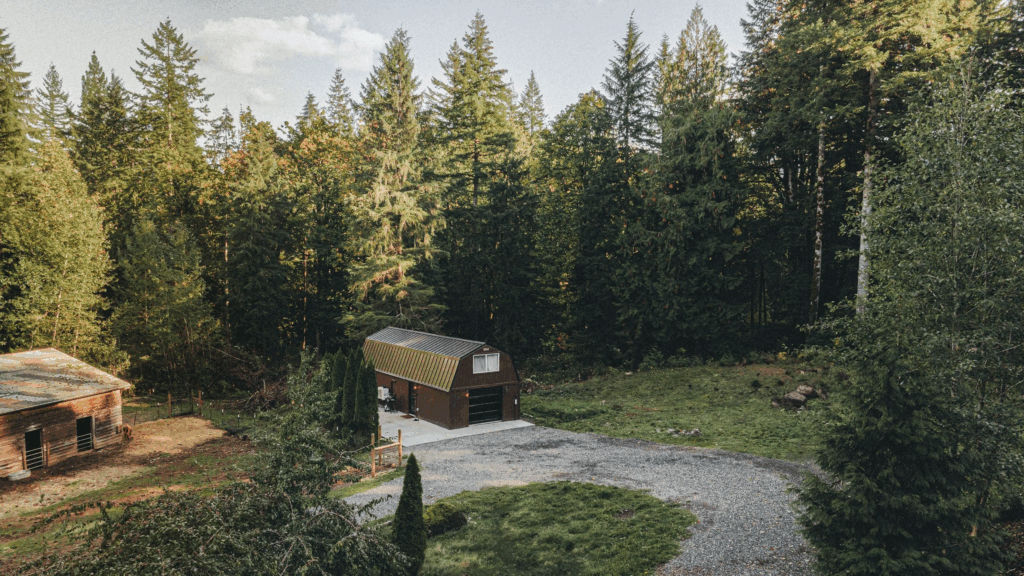
Different from the rest is the unique and assimilation to the fields and people of the place, the travelers participate in the age-old rural practices of the region while partaking in meal grown on the land.
Preservation of authentic and traditional rural practices makes farm stays valuable to cultural travelers to engage in meaningful immersion with the local life.
| Key Highlight | Description |
|---|---|
| Hands-on Agriculture | Participate in farming, harvesting, and cooking. |
| Food Culture | Learn traditional recipes and farm-to-table practices. |
| Rural Lifestyle | Experience authentic countryside living. |
3. Heritage guesthouses
Cultural travelers seeking history and authenticity will appreciate the captivating value of heritage guesthouses.
These converted historic homes, palaces, and buildings offer a view of once-admired architectural and decorative styles, along with bygone living and lifestyle.
Particular of these accommodations is the marrying of the cultural immersion and a living history experience
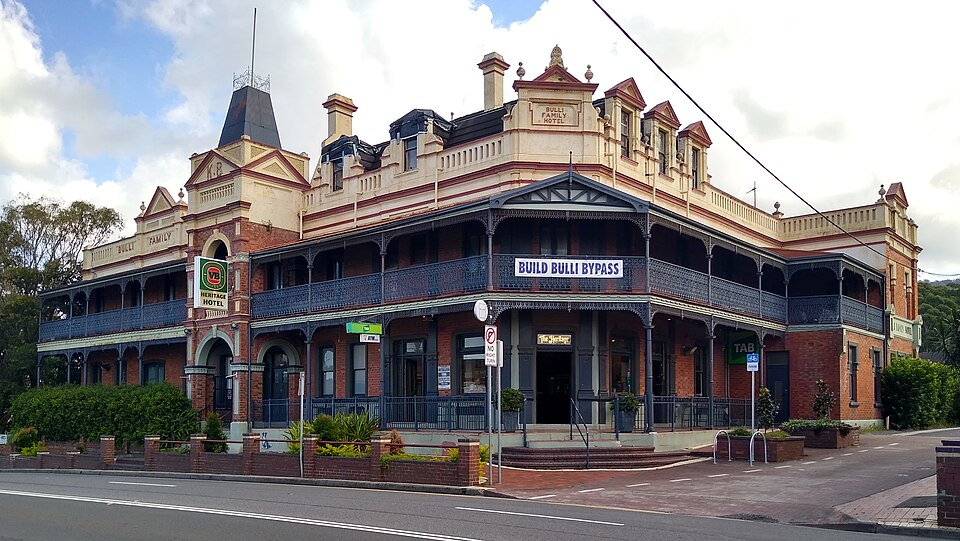
That is, patrons are engaged in the local customs and heirloom recipes, and are treated with hospitality that is traditional to the area, all while being in a place replete with historic artifacts.
Heritage guesthouses are a wonderful accommodation offer to culture lovers, connecting them to the history and traditions of the region.
| Key Highlight | Description |
|---|---|
| Historic Architecture | Stay in restored palaces, havelis, or colonial homes. |
| Cultural Storytelling | Hosts share local legends and traditions. |
| Art & Décor | Interiors reflect regional craftsmanship. |
4. Monastery stays
Monastery stays provide unique accommodation options tailored to tourists interested in cultural immersion.
These are the only places that engage guests in the daily life of their monastic community.
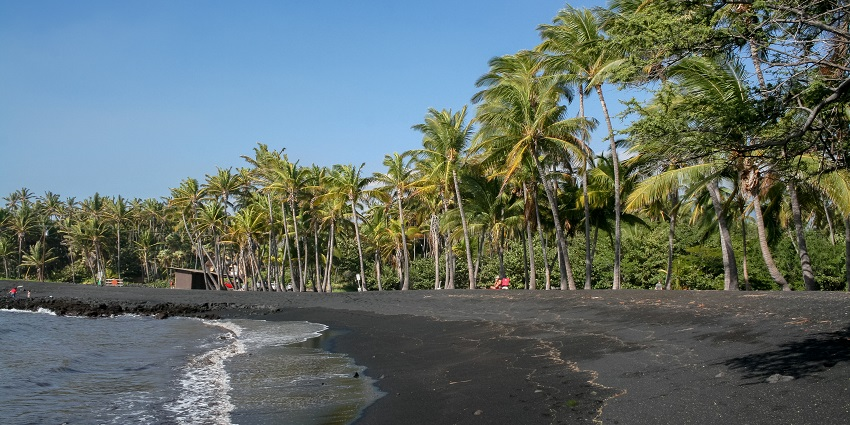
This includes meditation, prayer rituals, and other features of simple and mindful living. The primary uniqueness of the experience is the possibility to engage in local religious practices and gain an understanding of the traditions and philosophies from the past centuries.
For cultural explorers, monastery stays are an enclosing setting to learn about the spirit, community values, and local customs. This makes the experience enriching and transformative beyond standard tourism.
| Key Highlight | Description |
|---|---|
| Spiritual Immersion | Participate in meditation, chanting, and rituals. |
| Cultural Learning | Understand monastic traditions and philosophies. |
| Peaceful Setting | Remote, serene environments ideal for reflection. |
5. Community-run hostels
Community-run hostels are wonderful alternatives to homestays for those cultural travelers wanting to really immerse themselves and engage with the locals.
Besides accommodation, these hostels offer participants the chance to partake in various cultural activities, workshops, and events.
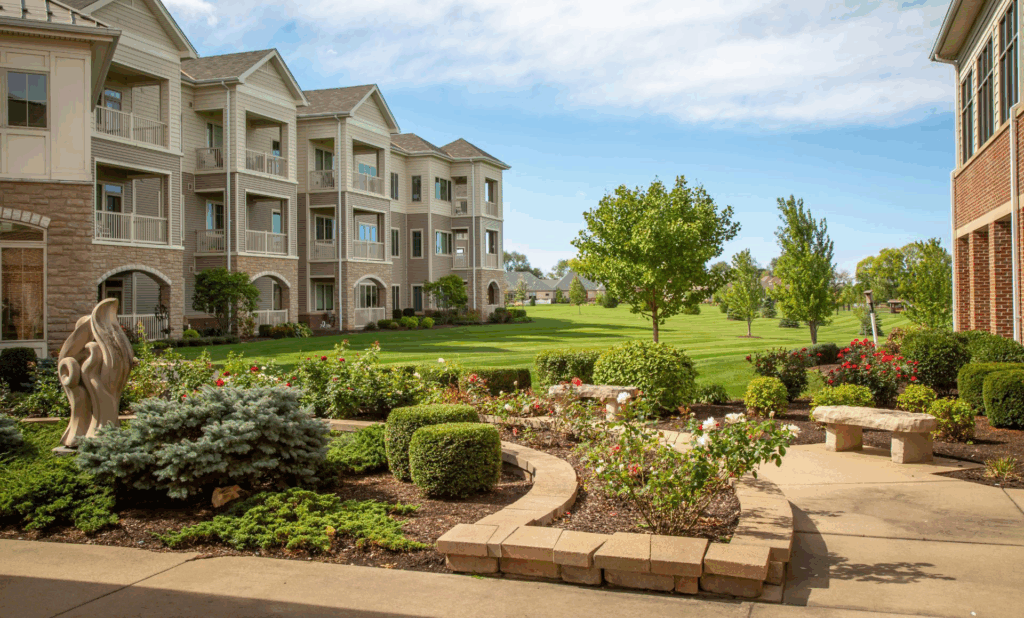
The main highlight of this experience, however, are the residents. Visitors are invited to participate in the locals’ daily life and learn about their customs and traditions, and even craft work.
For cultural travelers, these community-run hostels offer an economically supportive, socially enriching destination unlike any other in tourism. Every stay ends with meaningful connections and cultural knowledge.
| Key Highlight | Description |
|---|---|
| Local Interaction | Meet residents through workshops and events. |
| Affordable Stay | Budget-friendly with cultural value. |
| Shared Experiences | Connect with fellow travelers and locals. |
6. Cultural Exchange Programs
Cultural exchange programs offer excellent homestay alternatives for those who want to integrate themselves into a culture.
These exchanges bring together guests and hosts for daily interactions that facilitate conversation and engagement in the local language and customs.

Most notably, these exchanges allow for mutual cultural engagement; unlike other forms of travel, guests are encouraged to integrate and participate within the community.
For those who travel for culture, these programs offer an exceptional opportunity to gain a unique experience and create meaningful connections.
| Key Highlight | Description |
|---|---|
| Language Learning | Practice local dialects with native speakers. |
| Family Immersion | Live with host families for authentic exposure. |
| Cultural Activities | Join festivals, cooking, and daily routines. |
7. Boutique inns
Cultural travelers who want to experience something different get the opportunity to enjoy themselves by staying at charming and comfortable boutique inns.
They are usually located in historically relevant and artistically unique buildings. The inns complement the area’s location even more because of the region; the inns also provide specific detail and care in their food and service.
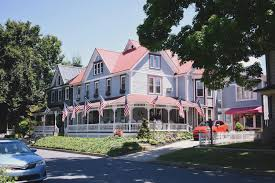
The main appreciable attribute is the mingling of cultural and intimate hospitality. Guests are able to appreciate and participate in the local traditions and art; the inns provide a thoroughly thought out environment for guests to enjoy themselves.
These travelers get the opportunity to enjoy a unique experience while getting the feeling of a real home.’
| Key Highlight | Description |
|---|---|
| Local Design | Architecture and interiors inspired by regional culture. |
| Personalized Hospitality | Tailored services with cultural touches. |
| Cuisine Focus | Menus highlight local flavors and traditions. |
8. Artist residencies
Artist residencies offer wonderful homestay alternatives od cultural travelers looking for creativity and cultural immersion.
Such residencies provide access to living quarters and spaces for working and collaborting with local artists
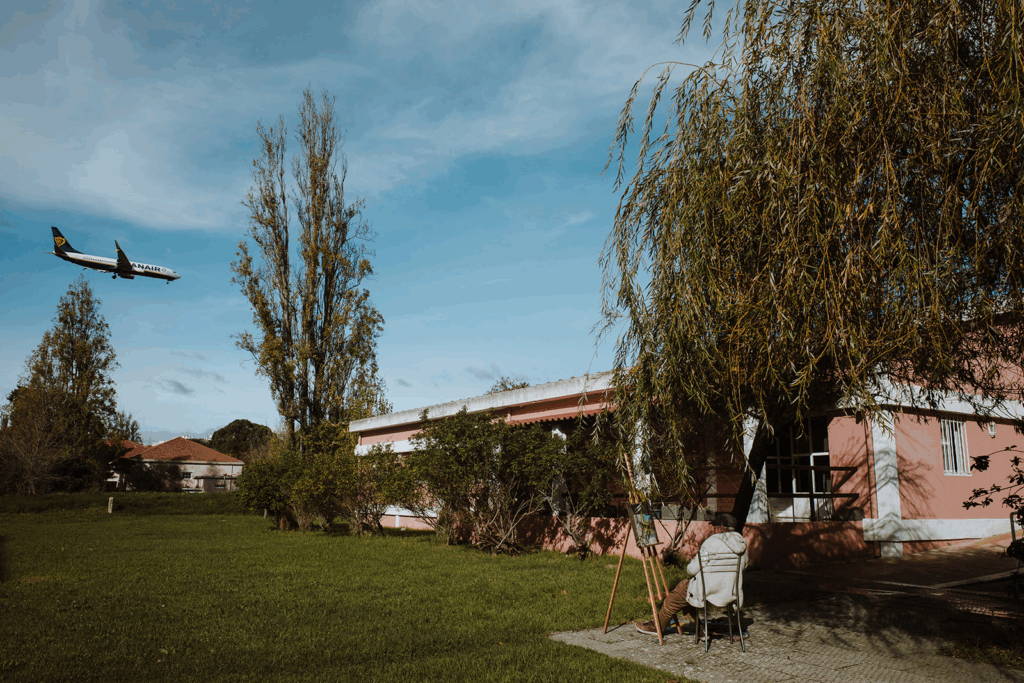
While getting first hand experience to different forms and techniques and traditons of working with an region’s art.
Apart from the unique opportunity for getting first hand immersion in the local artistic community, these residencies offer travelers the chance to immertse themselves, at a different level, for each engagement, in cultural exploration.
| Key Highlight | Description |
|---|---|
| Creative Immersion | Work alongside local artists and artisans. |
| Workshops | Learn traditional crafts, painting, or music. |
| Cultural Exchange | Share ideas across global and local communities. |
9. Tribal village stays
Tribal village stays are unique homestays for cultural sojourners looking for off-the-beaten-track alternatives.
Tourists can live in a tribal village and observe a community’s tradition, lifestyle, rituals, crafts, and community activities.
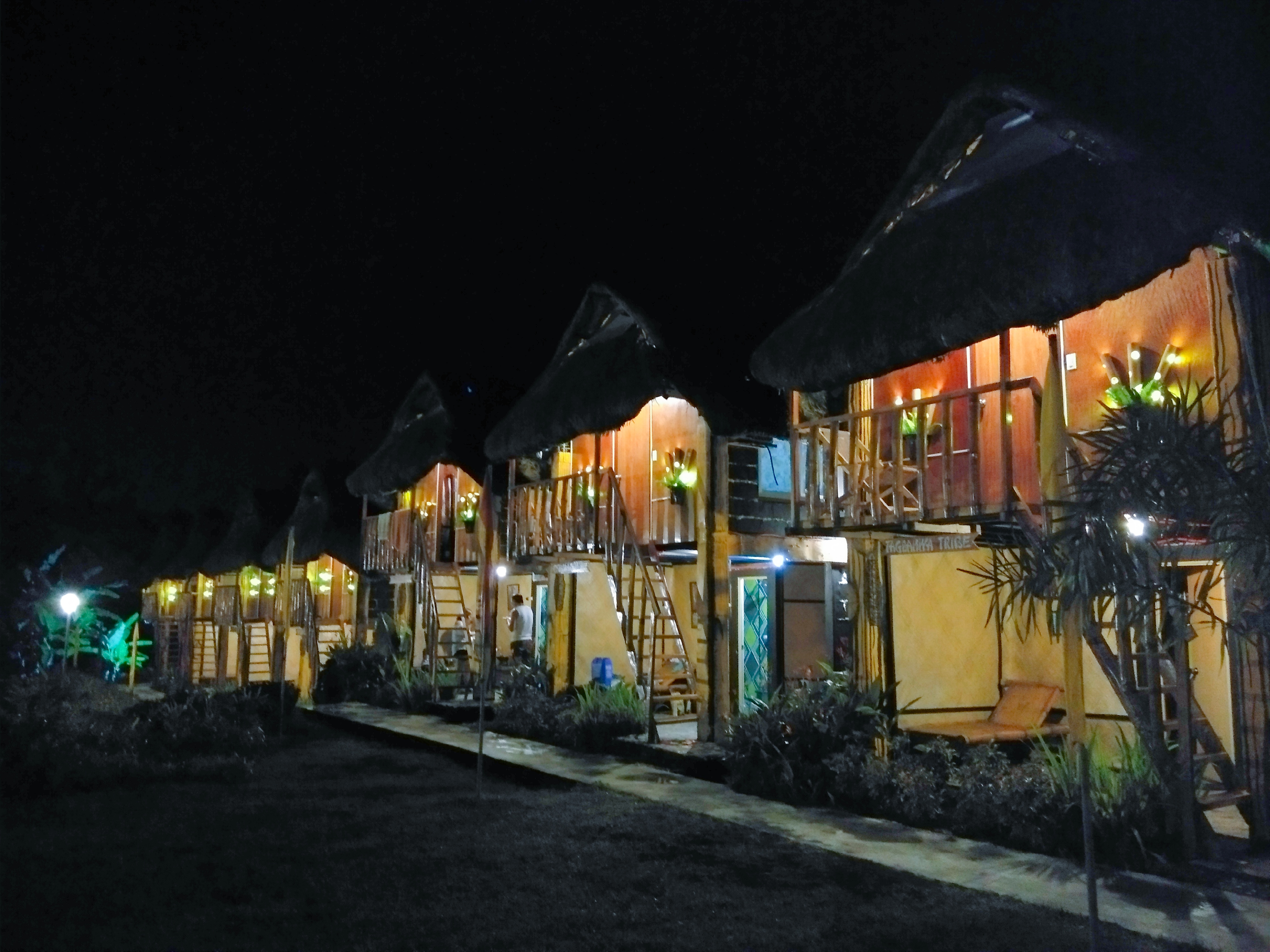
Most distinguishing factor is the profound immersion and the cognitive engagement with the indigenous culture, as villagers teach travelers ancient customs, folklore, and sustainable living practices.
Tribal village stays are unique for cultural travelers to deep-dive into the ancestry, understand and appreciate diverse world views, and experience the alternative, everyday life beyond the traditional tourism.
| Key Highlight | Description |
|---|---|
| Indigenous Traditions | Learn folklore, rituals, and crafts. |
| Community Living | Stay within tribal households. |
| Cultural Preservation | Support heritage conservation efforts. |
10. Tea/coffee estate bungalows
The ideal homestay option for travelers looking for nature, culture, and local industry is tea and coffee estate bungalows.
Guests can enjoy the plantation life and leisure the beauty of the traditional and modern methods of cultivation, while staying at the heritage estates.
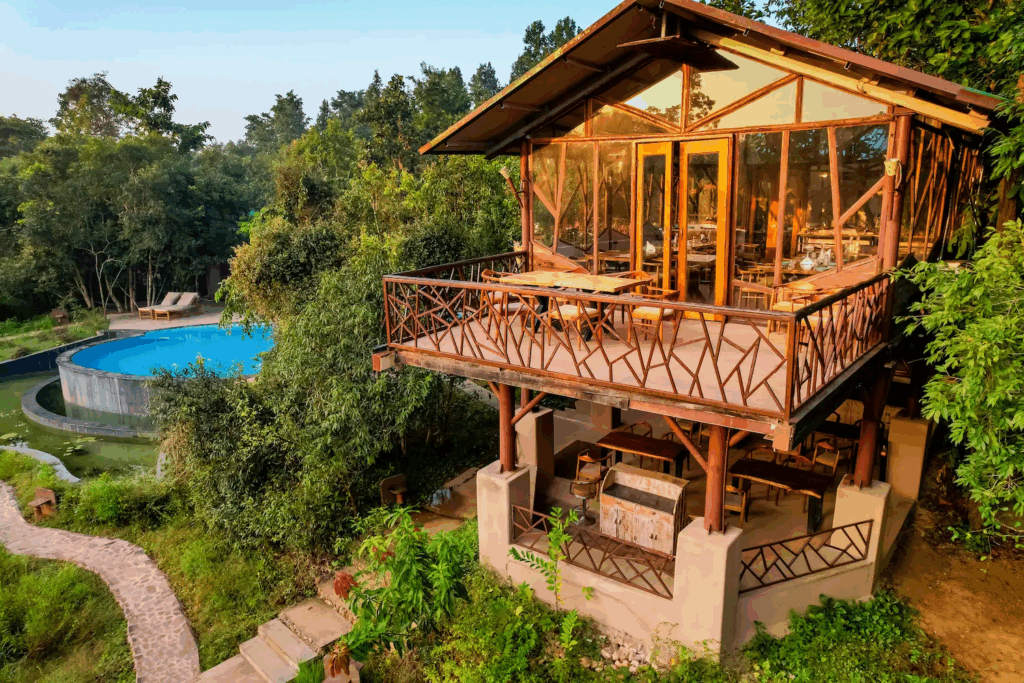
The major unique feature is the real understanding of the region’s warm and personal hospitality, along with the agricultural and cultural heritage.
The estate bungalows are educational and peaceful for cultural explorers, and every moment immerses them into the local life, food, and the rhythm of the countryside.
| Key Highlight | Description |
|---|---|
| Plantation Life | Explore tea/coffee cultivation and processing. |
| Colonial Heritage | Stay in old estate bungalows with history. |
| Scenic Landscapes | Surrounded by lush plantations and hills. |
Conclusion
In conclusion, for cultural travelers looking for the real thing, homestay alternatives are eco-lodges, farm stays
Heritage guesthouses, and tribal village stays, and these are great for for genuine and immersive engagements with local traditions and communities/lifestyles.
They provide more than tourism, enabling travelers to interact, learn, and contribute to experiences that are personalized, and leave a great memory.
FAQ
What are homestay alternatives for cultural travelers?
They are unique accommodations that provide immersive experiences in local culture, traditions, and lifestyles.
Why choose eco-lodges?
Eco-lodges offer sustainable stays, blending with nature while supporting local communities and conservation.
What makes farm stays special?
They allow hands-on participation in farming and rural life, giving authentic insights into local traditions.
Why stay in heritage guesthouses?
Guests experience historic architecture, traditional décor, and authentic local hospitality.
What is unique about monastery stays?
They offer spiritual immersion and firsthand experience of monastic life and rituals.