
In this article, I discuss the best sustainable tourism destinations that achieve a balance in environmental protection, cultural preservation, and responsible travel.
These places ensure meaningful travel experiences and promote eco-friendly practices while supporting local economies, protecting natural ecosystems, and providing wildlife-friendly tourism opportunities.
As sustainable tourism destinations alter the travel experience to enhance eco-friendly practices, travelers are lessening their environmental impact and fostering a responsible future.
Key Poinst & Best Sustainable Tourism Destinations
Costa Rica – Eco-tourism pioneer, rich biodiversity, “Pura Vida” lifestyle
Bhutan – Gross National Happiness policy, limited tourist entry, carbon-negative nation
Slovenia – Green-certified capital Ljubljana, extensive protected areas, sustainable transport
New Zealand – Strong conservation efforts, Maori cultural respect, eco-adventure tourism
Iceland – Renewable energy leader, geothermal tourism, pristine landscapes
Norway – Fjord preservation, electric transport adoption, eco-friendly cruises
Sweden – Sustainable cities, eco-lodges, focus on renewable energy
Finland – Forest conservation, sustainable saunas, eco-friendly national parks
Kenya – Community-led safaris, wildlife conservation, eco-lodges
Ecuador (Galápagos Islands) – Strict visitor limits, marine conservation, eco-cruise regulations
10 Best Sustainable Tourism Destinations
1. Costa Rica
Some of the most sustainable tourism in the world can be found in Costa Rica. Over 25% of the land in Costa Rica is designated as national parks or reserves.
Costa Rica runs primarily on renewable energy as well. Visitors can experience the rainforests, volcanoes, and beaches of Costa Rica in an eco-friendly manner as eco-lodges, wildlife conservation programs, and community based tourism have become popular.
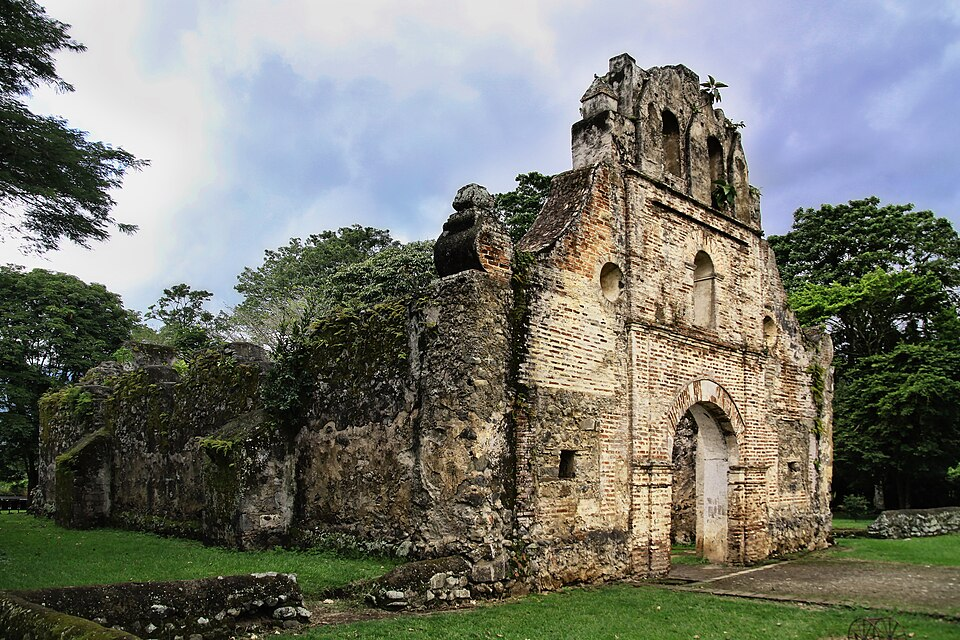
Costa Rica is focused on the protection of biodiversity as well as becoming carbon neutral and improving environmental education.
Because of this, nature and local communities benefit from the tourism and the ecosystems are preserved for the future.
| Category | Famous Things |
|---|---|
| Natural Wonders | Rainforests, Volcanoes, Cloud Forests |
| Wildlife | Sloths, Toucans, Jaguars |
| Activities | Zip-lining, Surfing, Eco-tours |
| National Parks | Manuel Antonio, Corcovado |
| Sustainability | Eco-lodges, Renewable Energy |
2. Bhutan
Visiting Bhutan comes with a glimpse of its “High Value, Low Impact” tourism policy, which is envied around the world.
This unique approach to tourism limits the number of visitors so as to protect the country’s culture and environment.
Tourists pay a daily sustainable development fee, which contributes to the country’s healthcare, education, infrastructure, and conservation projects.
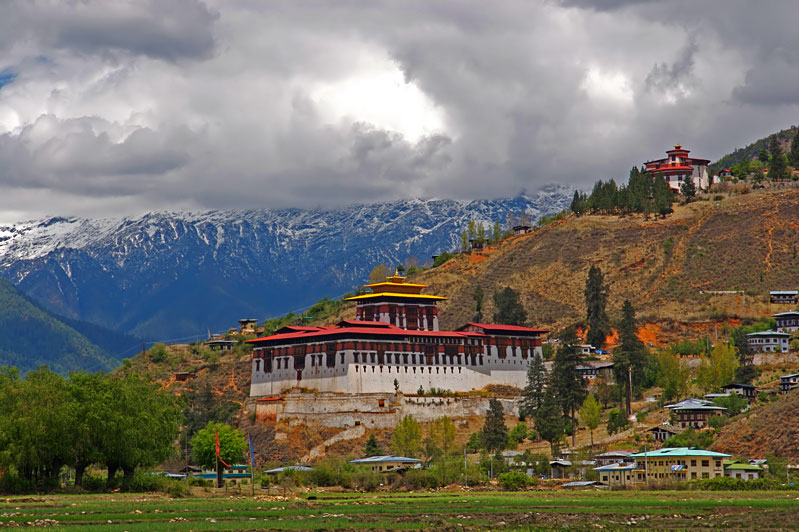
Rather than following the international trend of prioritizing economic growth above all, Bhutan uses Gross National Happiness as its development philosophy, resulting a unique approach to tourism development success.
With Bhutan being carbon-negative with forested land that absorbs more carbon than the country produces, visitors are able to see untouched nature
A wealth of traditions, and ancient structures, all while directly contributing to the country’s sustainable development.
| Category | Famous Things |
|---|---|
| Culture | Gross National Happiness |
| Landmarks | Tiger’s Nest Monastery |
| Festivals | Tshechu Festivals |
| Nature | Himalayan Mountains |
| Tourism Policy | High Value, Low Impact Tourism |
3. Slovenia
Slovenia stands as a top representative of green tourism in Europe. This is thanks to their eco-friendly policies and compact, easily accessible natural attractions.
Over half of the country is forested and the use of sustainable transport, farm-to-table dining, and eco accommodations is encouraged.
The capital, Ljubljana is one of Europe’s greenest cities. Slovenia promotes and encourages responsible travel in the Alps, Karst region and Adriatic coast.
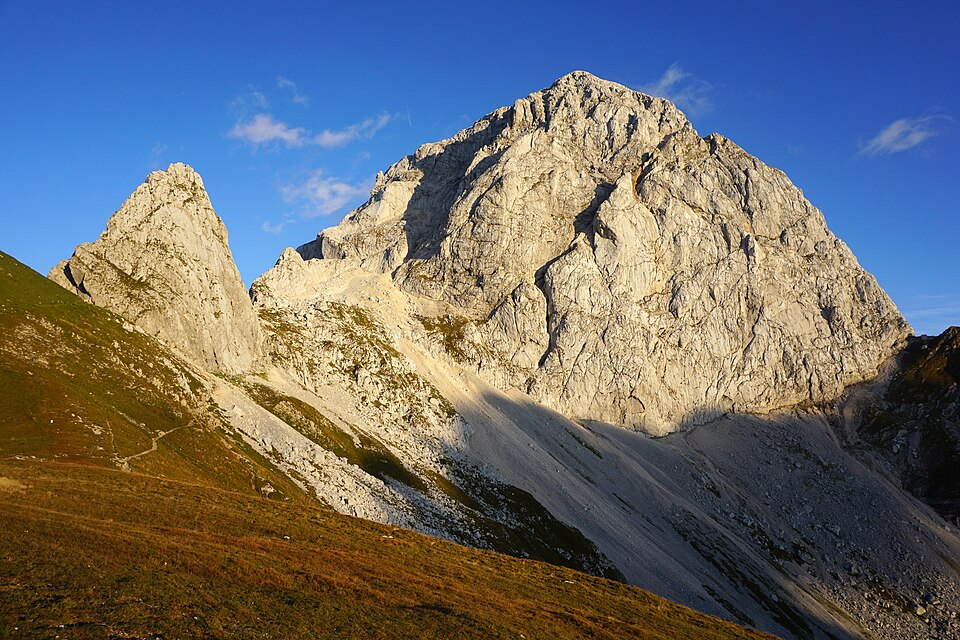
They manage to balance tourism growth with environmental protection and respect for the local communities, which makes Slovenia a model for sustainable tourism in Europe.
| Category | Famous Things |
|---|---|
| Cities | Ljubljana (Green Capital) |
| Natural Sites | Lake Bled, Triglav National Park |
| Caves | Postojna Cave, Škocjan Caves |
| Food | Farm-to-table Cuisine |
| Sustainability | Green Tourism Certification |
4. New Zealand
New Zealand values cultural traditions and sustainable travel, which is why the country has strong protection and conservation laws.
Extensive natural areas, such as national parks, forests, and marine reserves, are set for protection.
Emission reduction and wildlife protection are the priorities of the industry and the Tiaki Promise, which calls for visitors to embrace conservation.
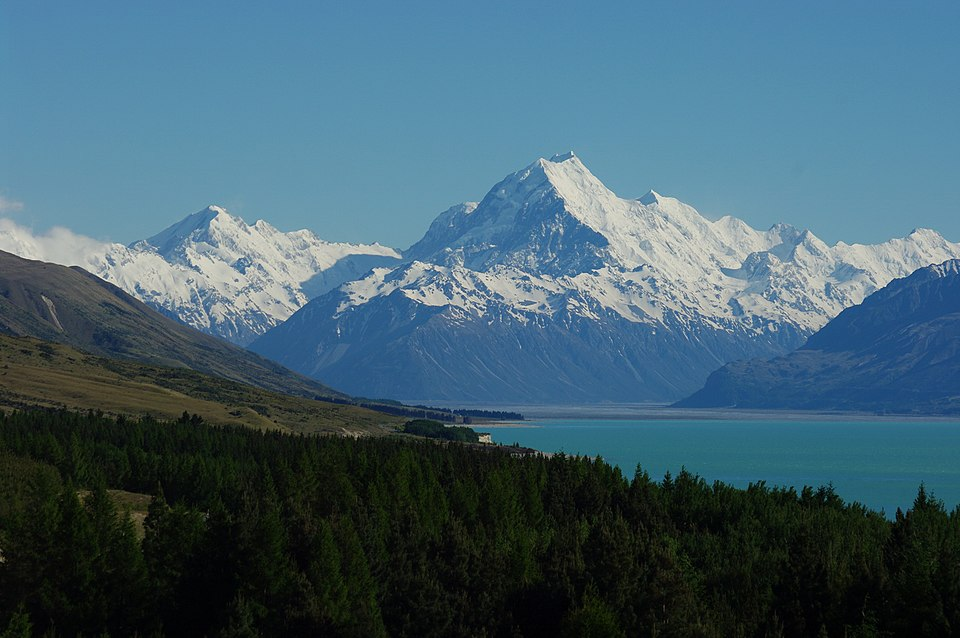
Responsible travel, which includes eco-adventures, community tourism, and nature-based experiences, enables visitors to participate in the protection of New Zealand’s
Dramatic and diverse eco-surroundings, ensuring the environment highly valued by New Zealanders is protected for the enjoyment of future generations.
| Category | Famous Things |
|---|---|
| Landscapes | Fjords, Glaciers, Mountains |
| Culture | Māori Heritage |
| Movies | Lord of the Rings Filming Sites |
| Adventure | Bungee Jumping, Hiking |
| Wildlife | Kiwi Bird |
5. Iceland
Nearly all of Iceland’s electricity comes from renewable geothermal and hydro power, making Iceland a leader in sustainable energy.
The country takes active measures in managing tourism, for there is an Icelandic volcanic landscape, glaciers, andecosystems.
The country minimizes educational infrastructure, controlled access to sensitive areas, and invests in educational sustainable infrastructure.
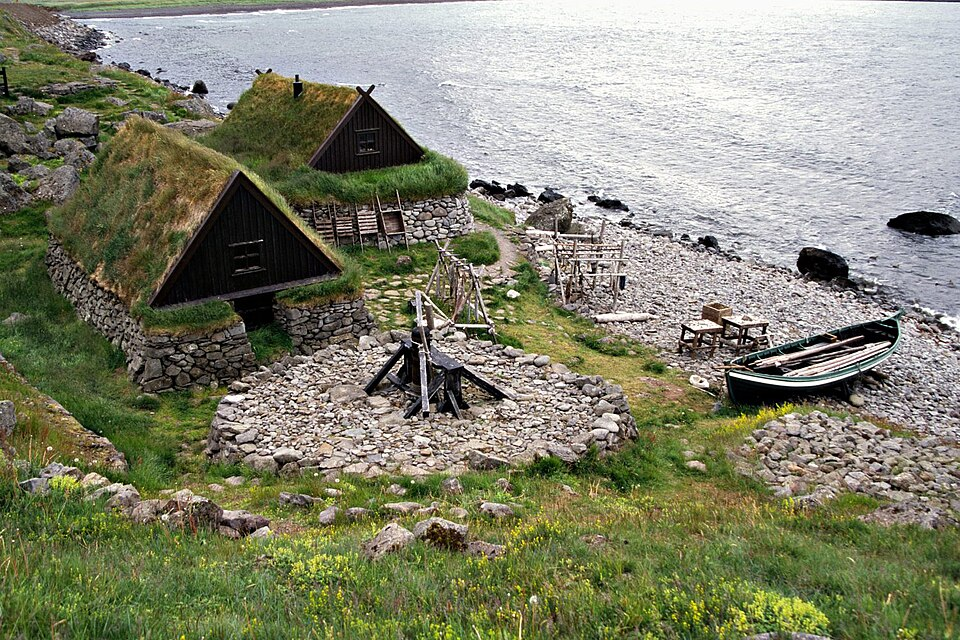
Iceland is committed to environmental preservation, and now travelers can responsibly visits?
The waterfalls, geysers, and northern lights, all while supporting Icelands tourism model of balanced economic benefit and environmental preservation for the future.
| Category | Famous Things |
|---|---|
| Natural Wonders | Geysers, Volcanoes |
| Scenic Spots | Waterfalls, Black Sand Beaches |
| Phenomena | Northern Lights |
| Energy | Geothermal Power |
| Tourism | Sustainable Infrastructure |
6. Norway
Norway has built a reputation for sustainable tourism and the responsible stewardship of the country’s fjords and Arctic regions.
The country encourages the use of environmentally friendly transport options including electric ferries and low-emission cruise ships.
Norway has a strong system of environmental regulations that helps to protect the country’s natural beauty and its wildlife.
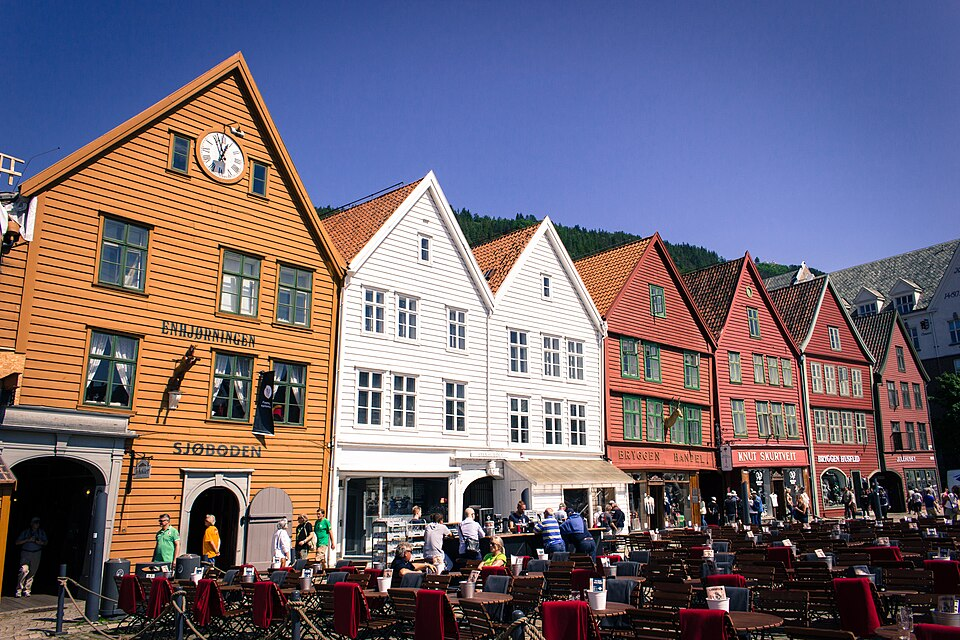
The country also has an emphasis on the promotion of slow travel; amenable outdoor tourism; community tourism that enhances economically depressed rural areas.
Norway’s commitment to renewable energy and conservation allows the country to make sure that tourism protects the environment and gives an opportunity
for visitors to come to the country’s and enjoy its magnificant outdoor places. Norway balances conservation with tourism seamlessly.
| Category | Famous Things |
|---|---|
| Landscapes | Fjords |
| Natural Phenomena | Midnight Sun |
| Transport | Electric Ferries |
| Outdoor Life | Hiking, Skiing |
| Cities | Oslo, Bergen |
7. Sweden
The Sweden government prioritizes and incorporates sustainable practices in each area of tourism and travel with activities such as eco-certified lodging and country wide sustainable public transport.
Sweden’s Right of Public Access allows individuals to access and enjoy the outdoors as long as the area is protected and the access is done responsibly.
In Sweden, a lot of emphasis is placed on alternative energy, waste reduction, and the protection of animals and their natural habitats in the country.

Nature tourism, or cultural retreats, in the country are done with the aim to minimize the negative impacts on the environment.
Sweden’s tourism practices also include preservation of heavily wooded, lake, and open wildlife areas and protects them in a balanced manner to ensure the tourism activities continue to provide economic benefits to the local communities and support the economy.
| Category | Famous Things |
|---|---|
| Lifestyle | Lagom Philosophy |
| Nature | Forests, Lakes |
| Design | Minimalist Scandinavian Design |
| Innovation | Green Technology |
| Access | Right of Public Access |
8. Finland
Finland takes great pride in being eco-friendly and practicing responsible forestry. Because of their dedication to eco-sustainability
Tourism has focused on activities and eco-friendly accommodations that sustain Finland’s unblemished lakes, forests, and vistas.

Hiking, and other low-impact activities as well as watching wildlife and experiencing the Northern Lights, sustain Finland’s unblemished countryside.
Travel to Finland continues to be Eco-sustainable. Lapland, Finland’s Northern region, is one of the most impacted.
Finland is one of the most Eco-sustainable countries in the world. Its unblemished, pristine countryside, is best experienced in responsible travel Finland. Carbon-neutral tourism has resulted in the protection of areas across Finland.
| Category | Famous Things |
|---|---|
| Culture | Sauna Tradition |
| Nature | Lakes, Forests |
| Arctic | Lapland |
| Wildlife | Reindeer |
| Happiness | World’s Happiest Country |
9. Kenya
Kenya leads in sustainable wildlife tourism due to its eco-safaris and community-based conservation initiatives.
National parks and conservancies help protect endangered species and enrich local communities. Sustainable lodges operate on solar energy along with practices in water conservation and mitigation of waste.

Wildlife protection and community development are interlaced in depending on local communities for the benefits of conservation.
Support tourism in Kenya to keep the Maasai Mara and other landmarks and the biodiverse and rural communities.
| Category | Famous Things |
|---|---|
| Wildlife | Big Five Animals |
| Safari Parks | Maasai Mara |
| Landscapes | Savannahs |
| Culture | Maasai Tribe |
| Conservation | Community Conservancies |
10. Ecuador (Galápagos Islands)
Galapagos Islands: Ecuador, A Symbol Of Responsible Tourism. Galapagos Ecuador, tourist activity is highly regulated in Ecuador, as are accommodations, to safeguard ecosystems and.
The fragile endemic species of the of the archipelago. The funds go to conserve, educate, and support the local community.
The environmental artificial, eco-certified boats, and guided biosecurity control the the tourism activities.
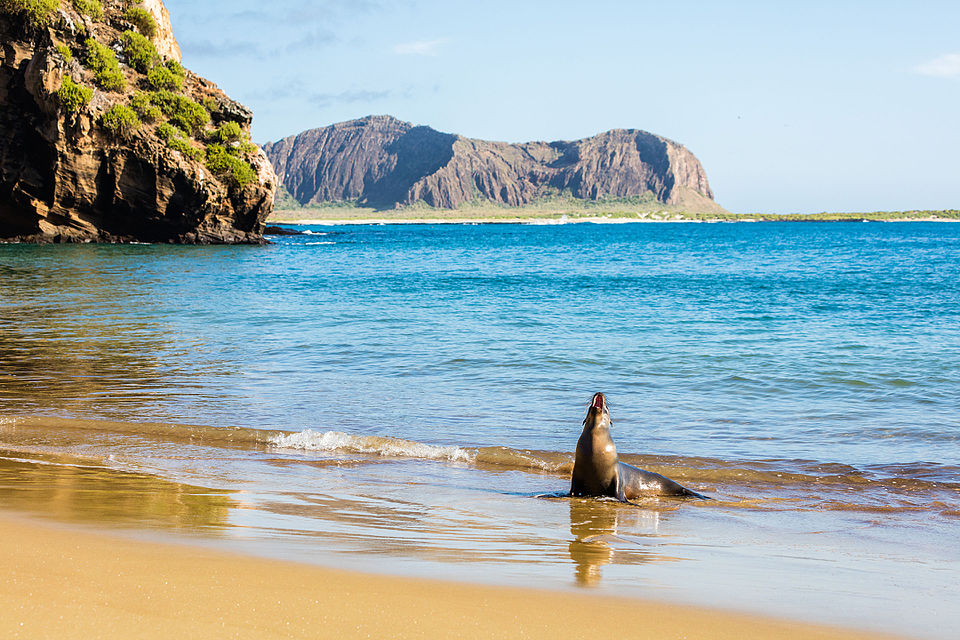
Rather than focusing on mass tourism, the focal point is sustainability and conservation. Ecuador has ensured the Islands are a living testament to evolution and allowed responsible tourism. One of the unique environments.
| Category | Famous Things |
|---|---|
| Wildlife | Giant Tortoises |
| Science | Darwin’s Evolution Theory |
| Marine Life | Sea Lions, Marine Iguanas |
| Conservation | Strict Tourism Rules |
| Geography | Volcanic Islands |
Conclusion
In conclusion, these globe’s best sustainable tourism destinations demonstrate how travel can protect nature, nurture culture, and involve local communities.
Costa Rica, Bhutan and Iceland demonstrate how conservation can be balanced with responsible tourism.
By selecting these destinations, travelers help conserve and protect natural ecosystems, travel with a lesser impact, and enhance opportunities for meaningful travel for generations to come.
FAQ
What is sustainable tourism?
Travel that protects the environment, respects culture, and benefits local communities.
Why is sustainable tourism important?
It reduces environmental damage and supports long-term conservation.
Which country is best for sustainable tourism?
Costa Rica and Bhutan are global leaders.
Are sustainable destinations expensive?
Not always; many offer budget-friendly eco-options.
How can travelers support sustainability?
Choose eco-lodges, local guides, and public transport.