This article will cover sleep spas and resorts that use highly developed clinical science and research, along with sleep optimization technologies and tools. They focus on the science of nutrition and the circadian rhythm, as well as the use of wearable sleep diagnostic tools.
- What are sleep optimization resorts and spas?
- Key Poinst & Best Science-Backed Sleep Optimization Resorts and Spas
- 10 Best Science-Backed Sleep Optimization Resorts and Spas
- 1. Personalized Sleep Diagnostics
- 2. Circadian Lighting Systems
- 3. Sleep Nutrition Plans
- 4. Soundproof Suites Therapy
- 5. AI Sleep Coaching
- 6. Hydrotherapy Treatments
- 7. Guided Meditation Programs
- 8. Aromatherapy Spa Treatments
- 9. Digital Detox Environments
- 10. CBT Insomnia Therapy
- Conclusion
- FAQ
These new wellness interventions are designed to help you sleep better, recover faster, and stress less. In this article, you will see the benefits of science-based intervention methods that help you return to a natural sleep cycle.
What are sleep optimization resorts and spas?
Combining clinical sleep research and modern medical wellness, these advanced wellness destinations use scientifically founded therapies to help clients improve their sleep quality, physical recovery, and the balance of their circadian rhythms.
These resorts use wearable technology, personal treatment plans, nutrition, and environmental alteration to assist guests in achieving more profound rest.
Their purpose is to restore the body’s natural biological rhythms, lessen stress, and improve mental and physical health in the long term using scientifically proven sleep optimization practices.
Key Poinst & Best Science-Backed Sleep Optimization Resorts and Spas
| Point | Explanation |
|---|---|
| Personalized Sleep Diagnostics | Advanced wearable tracking and clinical tests improve individualized sleep optimization outcomes significantly |
| Circadian Lighting Systems | Smart lighting systems adjust room brightness, aligning the circadian rhythm for guests naturally |
| Sleep Nutrition Plans | Dietitian-designed nutrition plans enhance melatonin production and improve nightly sleep quality holistically |
| Soundproof Suites Therapy | Soundproof suites with binaural beats and white noise improve the deep rest experience |
| AI Sleep Coaching | AI-powered sleep coaching uses real-time biometrics to optimize rest cycles effectively, continuously |
| Hydrotherapy Treatments | Hydrotherapy and temperature-controlled pools support deep sleep cycle recovery processes naturally enhanced |
| Guided Meditation Programs | Neuroscience-based meditation programs reduce stress and support insomnia recovery effectively clinically proven |
| Aromatherapy Spa Treatments | Aromatherapy treatments using essential oils regulate hormones and improve sleep quality naturally |
| Digital Detox Environments | Zero-distraction environments eliminate digital exposure, promoting deeper and more restful sleep consistently |
| CBT Insomnia Therapy | Sleep experts provide cognitive behavioral therapy reducing insomnia and stress levels effectively |
10 Best Science-Backed Sleep Optimization Resorts and Spas
1. Personalized Sleep Diagnostics
The latest technology in sleep optimization resorts uses advanced personalized sleep diagnostics. These offer sleep wearable devices, AI, and clinical sleep diagnostics. Systems of this nature monitor heart rate and variability, oxygen levels, and sleep cycles.
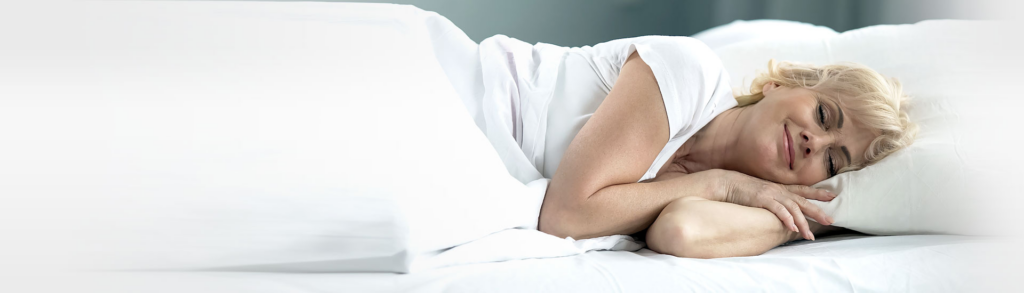
With this technology, resorts develop guest recovery plans based on the guests’ biological rhythms. The latest facilities have at-home sleep diagnostics and assessments scheduled before a guest’s arrival.
Using sleep assessments, resorts are able to customize therapies, room designs, and schedules prior to a guest’s arrival, ensuring a well-rested guest with the most advanced and rapidly developed technology, from the very first night.
| Pros | Cons |
|---|---|
| Highly accurate biometric sleep insights | Requires constant wearable monitoring |
| Fully customized recovery plans | Can feel overly clinical or medical |
| Early detection of sleep disorders | Data privacy concerns for some guests |
| AI-driven precision recommendations | High operational and service cost |
2. Circadian Lighting Systems
Advanced technology in sleep optimization resorts involves circadian lighting. Resort lighting systems create a simulated sunrise and begin the day with bright morning lighting.
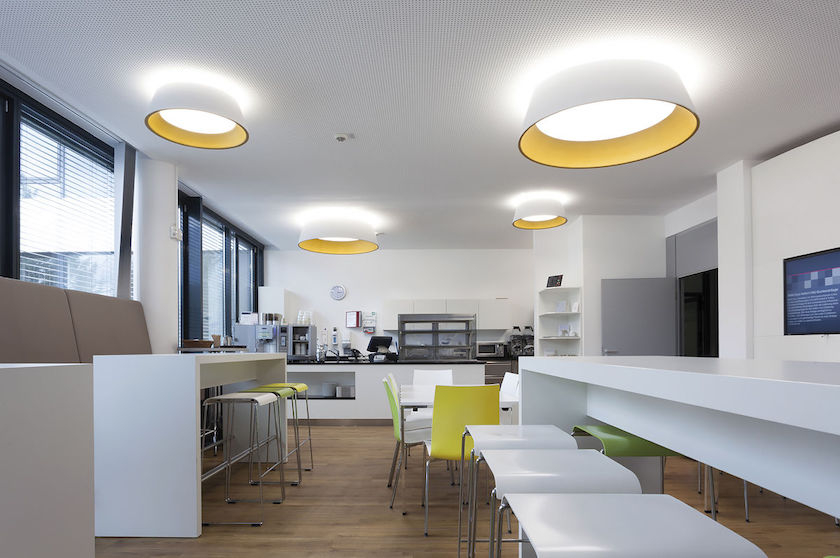
The lighting systems of the resort gradually shift to lighting that will assist the release of melatonin by reducing blue light exposure in the evening.
The newest luxury spas have designed AI-Controlled environments that integrate guest sleep data to assist the restoration of sleep and the body’s clock that travel and stress have disrupted.
| Pros | Cons |
|---|---|
| Naturally resets body clock rhythm | May take time to adjust the results |
| Improves melatonin and cortisol balance | A technology malfunction can disrupt sleep |
| Reduces jet lag effects quickly | Expensive smart lighting infrastructure |
| Enhances deep restorative sleep cycles | Not effective for all sleep disorders |
3. Sleep Nutrition Plans
The latest wellness resorts that focus on sleep have incorporated advanced sleep nutrition plans. These plans are designed by clinical dieticians and focus on gut health, nutrition balance, and melatonin.

Sleep wellness nutrition plans incorporate food rich in tryptophan. Some resorts apply the practices and principles of chrononutrition – timing nutrition in accordance with circadian rhythm practices – to promote uninterrupted and advanced sleep cycles.
| Pros | Cons |
|---|---|
| Boosts natural melatonin production | Limited flexibility in meal choices |
| Improves gut-brain sleep connection | Requires strict dietary adherence |
| Enhances overall health and metabolism | May not suit all dietary restrictions |
| Supports long-term sleep improvement | Results vary by individual response |
4. Soundproof Suites Therapy
The newest premium sleep resorts include soundproof suites that use acoustic insulation, advanced soundproof construction, and vibration blocking.
Guests can have complete sensory isolation and can have sound therapies like binaural beats and low-frequency sound. These sound therapies can help slow brainwave activity and help bring a person into a state of sound sleep.
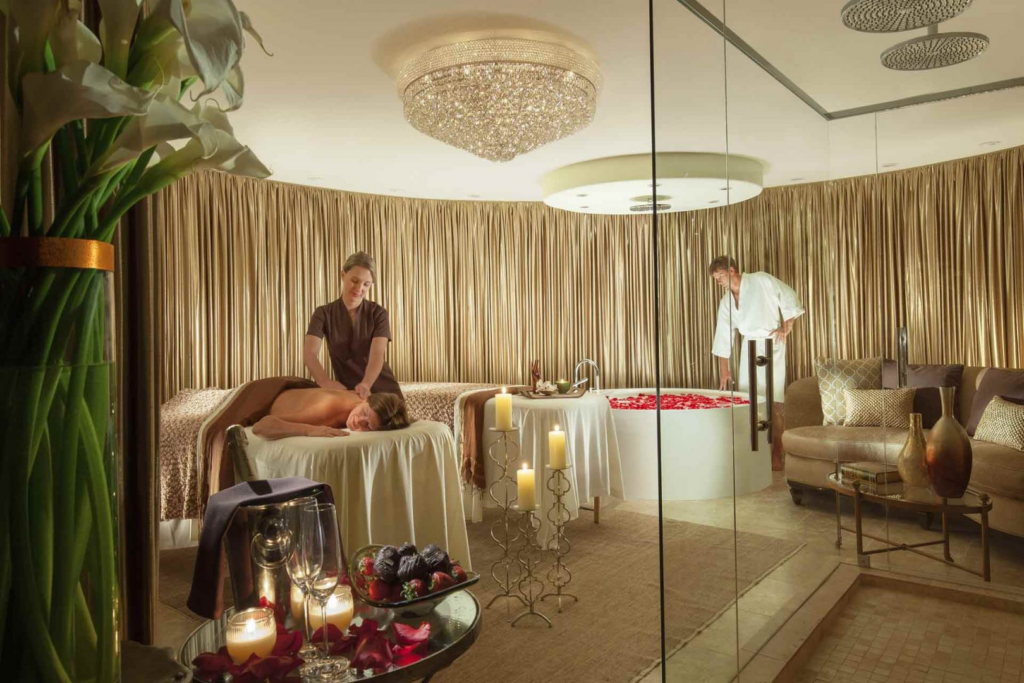
Some of the soundproofing tech and sound therapy suites include sound systems that can adapt and optimize sleep even more by changing sound based on what sleep state a person is in.
| Pros | Cons |
|---|---|
| Eliminates external noise disturbances | Can feel isolated or enclosed |
| Enhances deep brainwave sleep states | High construction and maintenance cost |
| Supports uninterrupted sleep cycles | Not fully effective for internal stress |
| Adaptive sound technology improves rest | Some users dislike artificial soundscapes |
5. AI Sleep Coaching
AI sleep coaching has positively impacted luxury wellness resorts even more by offering sleep assistance and coaching in real time by monitoring a person’s biometrics. Sleep can be monitored in terms of different stages, breathing, and even levels of stress.
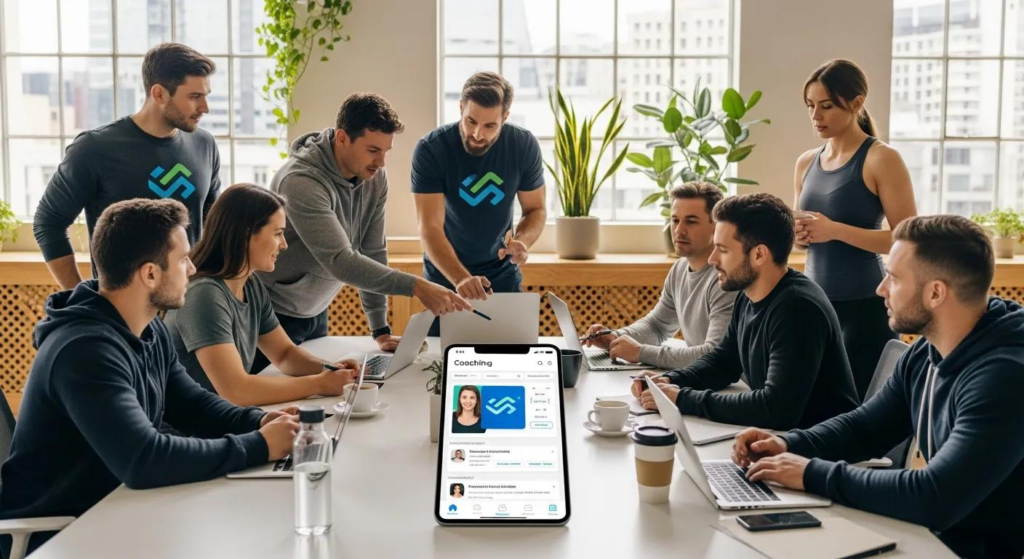
Tons of AI suggestions can help improve a person’s sleep quality in real time. There are even models that can predict sleep disruptions by actively changing factors to optimize sleep throughout a person’s stay.
| Pros | Cons |
|---|---|
| Real-time sleep behavior monitoring | Requires constant digital tracking |
| Personalized sleep optimization feedback | Dependence on technology systems |
| Predicts sleep disruptions early | Data accuracy may vary |
| Improves long-term sleep habits | Privacy concerns with biometric data |
6. Hydrotherapy Treatments
Hydrotherapy has been adapted by most modern wellness resorts that have sleep enhancement therapies. Hydrotherapy uses water of different temperatures and therapies that can aid body and nervous system relaxation, which helps optimize sleep.
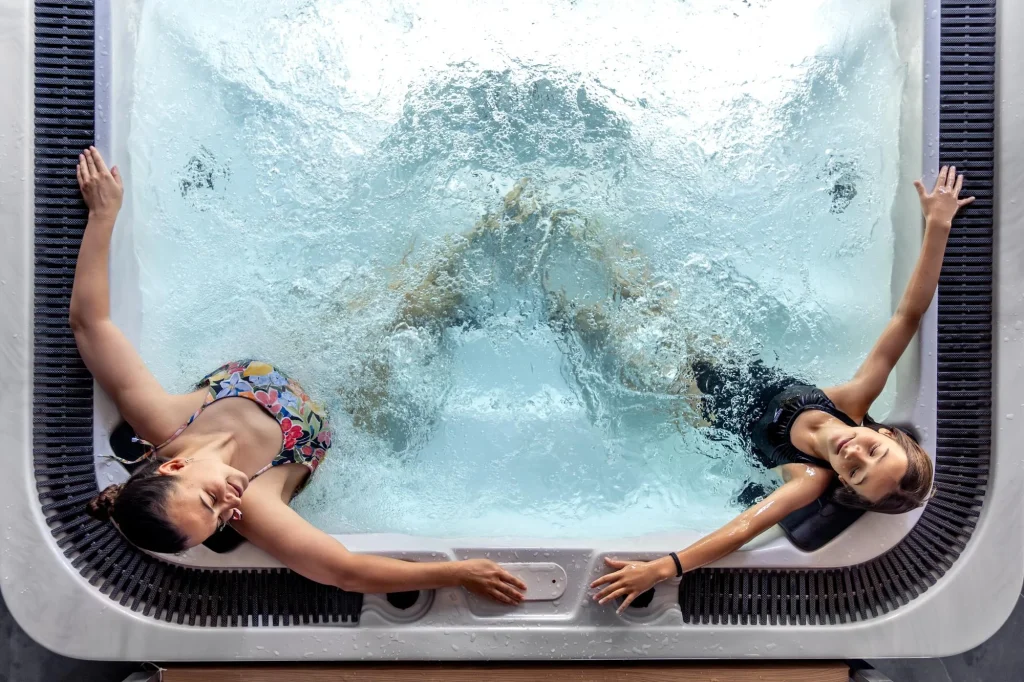
Hydrotherapy can be even more effective when combined with sleep recovery guided sessions. Hydrotherapy can even lower the stress hormone cortisol and help sleep be more restorative.
| Pros | Cons |
|---|---|
| Reduces cortisol and physical tension | Not suitable for all health conditions |
| Improves sleep onset speed | Requires trained supervision |
| Enhances relaxation and circulation | Temporary results without consistency |
| Supports deep muscle recovery | Limited availability in smaller resorts |
7. Guided Meditation Programs
Resorts that focus on improving sleep have developed guided meditation programs based on neuroscience. These programs aim to “retrain” the brain for sleep. To accomplish this, the programs use EEG-informed meditation audio, breathing exercises, and hyperarousal mindfulness to help reduce symptoms of insomnia.
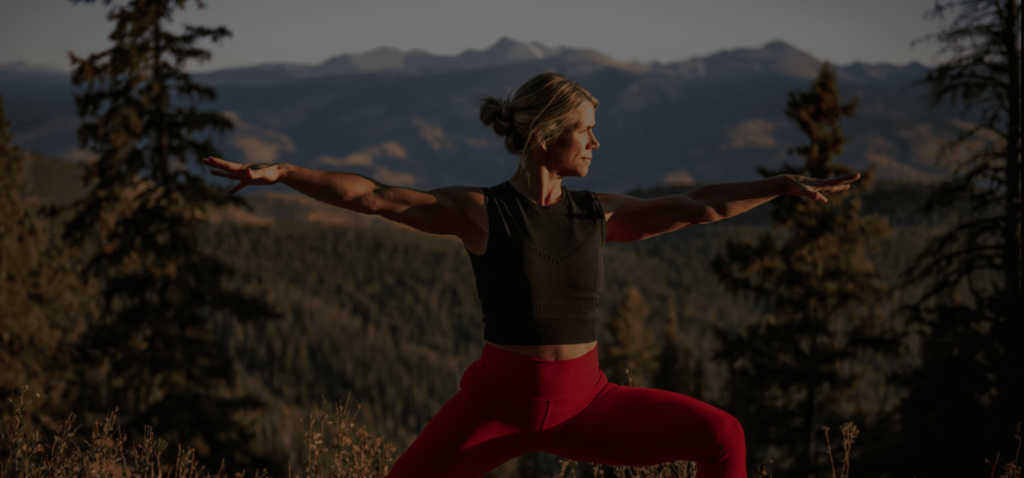
Some programs even use virtual reality to portray calming, natural scenery. There is clinical research that states meditation programs have a positive effect on sleep, making this a popular sleep therapy option to use.
| Pros | Cons |
|---|---|
| Reduces stress and anxiety levels | Requires consistent practice commitment |
| Clinically proven insomnia relief | Results vary based on user focus |
| Improves sleep latency significantly | May not work for severe cases |
| Non-invasive natural therapy option | Some users struggle with mindfulness |
8. Aromatherapy Spa Treatments
Aromatherapy is popular at many sleep resorts. Lavender, chamomile, and sandalwood oils help to calm the limbic system. These oils have a positive effect on neurotransmitters and lower cortisol levels.
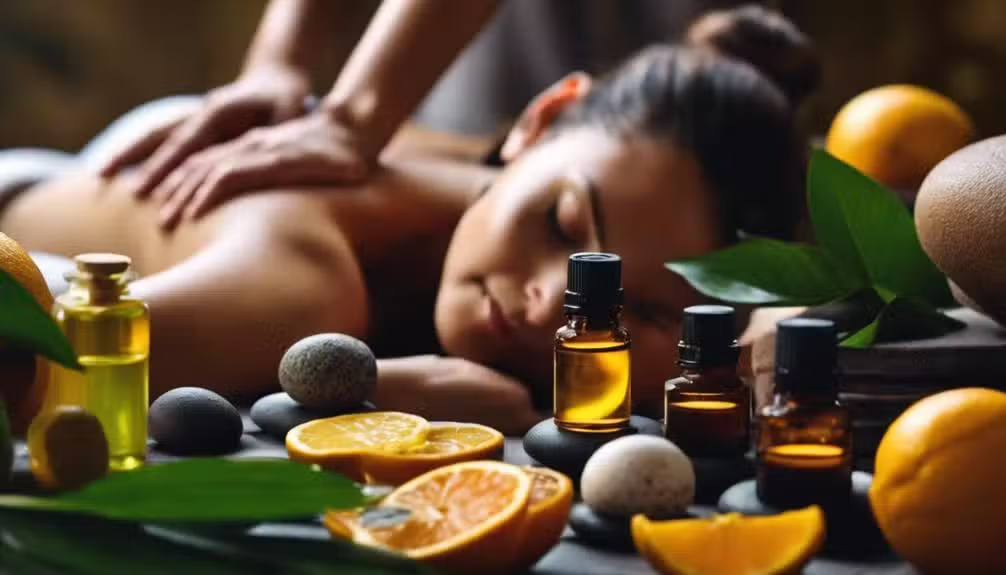
In modern spas, a technique called micro-diffusion is used, which helps to release essential oils based on the stages of a person’s sleep cycle. Aromatherapy helps improve relaxation and emotional balance and decreases the time it takes to enter and maintain a restorative sleep.
| Pros | Cons |
|---|---|
| Naturally improves relaxation hormones | Allergic reactions to essential oils possible |
| Enhances emotional balance and calmness | Effects may be short-term only |
| Supports deeper sleep cycles | Strong scents may disturb some guests |
| Custom scent therapy personalization | Limited scientific variability across studies |
9. Digital Detox Environments
Sleep resorts are creating digital detox environments that limit screen time and reduce electromagnetic disruptions. Guests are encouraged to unplug from devices and digital alerts upon check-in.

Some resorts have lockable storage for devices and provide analog wellness tools and aids in their place. Research shows that a reduction in exposure to digital devices and blue light helps improve the production of the sleep hormone, melatonin.
These environments, combined with the relaxation of nature, mindfulness, and silence, are optimized for restorative sleep.
| Pros | Cons |
|---|---|
| Reduces blue light exposure | Difficult for tech-dependent guests |
| Improves melatonin production naturally | May cause withdrawal discomfort initially |
| Encourages mindfulness and relaxation | Not suitable for work-required stays |
| Enhances sleep depth and quality | Limited connectivity for emergencies |
10. CBT Insomnia Therapy
Cognitive Behavioral Therapy for Insomnia (CBT-I) has become a staple offering at many top sleep improvement resorts. Guests work one-on-one with licensed sleep specialists to identify and correct negative sleep habits.
This is achieved through a series of controlled therapy sessions, which incorporate stimulus control, sleep restriction therapy, and cognitive restructuring, among other techniques.
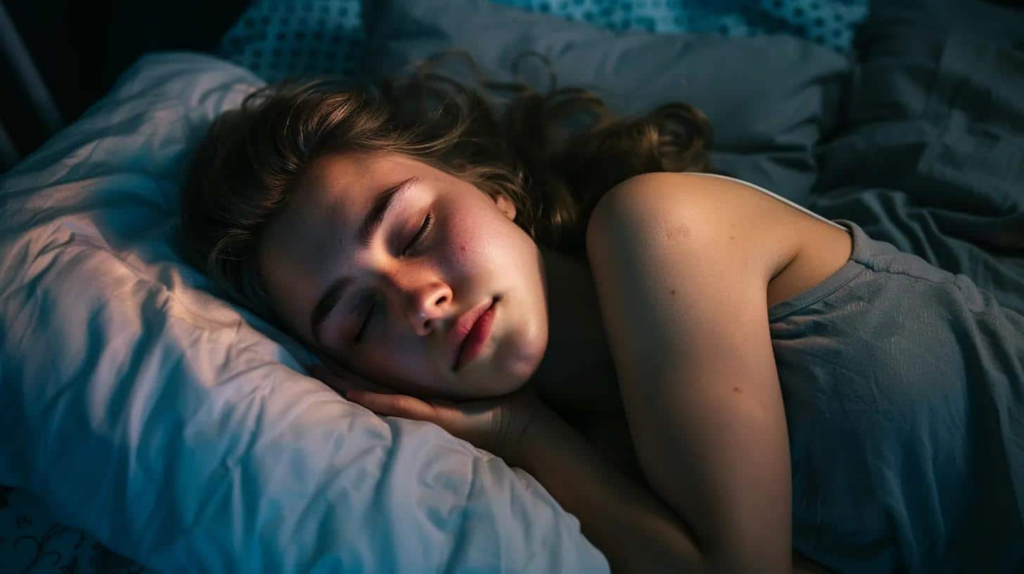
Additionally, digital CBT and wearables are integrated into many modern sleep programs. As a form of evidence-based therapy, CBT-I has been shown in clinical studies to be one of the most effective therapies for chronic insomnia and sleep disruption.
| Pros | Cons |
|---|---|
| Clinically proven long-term effectiveness | Requires multiple therapy sessions |
| Addresses the root cause of insomnia | Slow progress compared to quick fixes |
| No medication required | Needs trained sleep specialists |
| Improves behavioral sleep patterns | Not immediately effective for all users |
Conclusion
In conclusion, Best Science-Backed Sleep Optimization Resorts and Spas integrate cutting-edge medical research, artificial intelligence, and holistic wellness therapies to enhance the quality of sleep.
Diagnostic tests, circadian lighting for color and intensity manipulation, nutrition therapy, and behavioral modifications are some of the therapies used to help people achieve their natural sleep cycles.
These therapies, in addition to their wellness outcomes, help manage stress and offer better restorative sleep for long-term health and recovery. These resorts and spas offer a unique combination of the latest sleep research and some of the best therapies to help people achieve their sleep goals.
FAQ
How do these resorts improve sleep?
They use diagnostics, lighting control, nutrition, and therapy programs to optimize sleep cycles.
Are personalized sleep diagnostics accurate?
Yes, they use wearable sensors and clinical data for highly precise sleep tracking.
What is circadian lighting therapy?
It is smart lighting that adjusts brightness and color to match natural body rhythms.
Do sleep nutrition plans really work?
Yes, they support melatonin production through balanced, dietitian-designed meal programs.
Are soundproof suites effective for deep sleep?
Yes, they block noise and use sound therapy to enhance deep restorative sleep states.