



This article will review Travel Rewards Cards With No Blackout Dates and will cover how selecting the right travel card can solve many travel issues. You will see differences in rewards, various methods of redemption, travel benefits, and important restrictions.
- What is Travel Rewards Cards?
- Benefits Of Travel Rewards Cards With No Blackout Dates
- Key Points
- 1. Bank of America Travel Rewards
- Characteristics
- Pros
- Cons
- 2. Capital One Venture Rewards
- Characteristics
- Pros
- Cons
- 3. Chase Sapphire Preferred
- Characteristics
- Pros
- Cons
- 4. American Express Platinum
- Characteristics
- Pros
- Cons
- 5. Discover it Miles
- Characteristics
- Pros
- Cons
- 6. Chase Sapphire Reserve
- Characteristics
- Pros
- Cons
- 7. Navy Federal Flagship Rewards
- Characteristics
- Pros
- Cons
- 8. Wells Fargo Autograph
- Characteristics
- Pros
- Cons
- 9. Citi Premier
- Characteristics
- Pros
- Cons
- 10. US Bank Altitude Reserve Visa Infinite
- Characteristics
- Pros
- Cons
- Conclusion
- FAQ
I will explain the meaning of “no blackout dates,” and will review the possibilities of a good travel rewards card based on flights, hotels, value-added travel perks, and even everyday travel.
What is Travel Rewards Cards?
Credit cards that provide travel rewards give points or miles on purchases that can later be used to pay for travel expenses, like flights, hotel stays, rental cars, or other transportations. Additionally, travel rewards cards include benefits like travel insurance, access to airport lounges, shopping credits, and additional points for travel purchases or dining.
Many travel reward cards do not have blackout dates, which allows the user to redeem points at their convenience. While the flexibility a card gives with no blackout dates is appealing, the user must still consider the availability of award seats and points, price, and partner airlines as not having blackout dates means rewards are not for travel on any given date.
Benefits Of Travel Rewards Cards With No Blackout Dates
Flexible Booking: Since blackout dates don’t exist, you have the freedom to book the trip you want with rewards you’ve earned. This is especially great for booking family vacation dates or planning around your work or school schedule.
Planning for Peak Season: Rewards cards with no blackout dates provide flexibility when planning around peak season travel dates like summer vacations, Christmas, New Year, or long weekends. There’s no reason you should miss out on booking a trip just because the travel reward you work hard to earn restrict you from booking a specific travel date.
Control of Travel Dates: With flexible travel dates, you are able to pick dates that work best with your schedule instead of having to change your travel plans to accommodate an inflexible rewards travel date.
Simplified Rewards: Flexible travel credit cards allow travel bookings to be purchased with points or rewards that provide travel bookings in the same way that other credit or debit cards do. This eliminates having to find the perfect travel award availability.
Increased Rewards Redemption Options: Depending on the program, rewards can be used for travel bookings through program sponsored travel booking portals, as a credit toward a booking, or used to book travel through sponsored airlines of hotels that are part of the program.
Great for Families: Families that have fixed schedules benefit most from travel rewards because they give you flexibility when booking trips during peak travel season.
Last minute travel: If you need to travel for work or as an emergency trip or just because you want to take a spontaneous trip, policies that allow you flexibility are a must.
Price Comparison: Having flexible rewards allows you the freedom to look around for the best price on your travel instead of booking through specified travel rewards partner.
Long Term Rewards Value: Rewards that allow flexibility in booking travel allow travelers to get the most value because they provide the opportunity to book travel that is less expensive than booking through rewards that have a travel booking restriction.
Key Points
| Card | Annual Fee | Earning Rate | Key Travel Perks | Best For |
|---|---|---|---|---|
| Bank of America Travel Rewards | $0 | 1.5X points on all purchases | No blackout dates, flexible redemption | Everyday spenders who want simplicity |
| Capital One Venture Rewards | $95 | 2X miles on all purchases | Transfer to 15+ airlines, no blackout | Frequent flyers needing flexibility |
| Chase Sapphire Preferred | $95 | 2X travel, 3X dining | 25% more value via Chase Travel | Balanced travelers, dining + trips |
| American Express Platinum | $695 | 5X flights/hotels | Centurion Lounge, luxury perks | Premium travelers, luxury seekers |
| Discover it Miles | $0 | 1.5X miles on all purchases | First‑year double miles, no blackout | Beginners, no annual fee |
| Chase Sapphire Reserve | $550 | 3X travel/dining | Priority Pass, 50% more redemption | Luxury perks + flexible travel |
| Navy Federal Flagship Rewards | $49 | 3X travel, 2X dining | Military‑friendly, no blackout | Military members & families |
| Wells Fargo Autograph | $0 | 3X travel, dining, streaming | No blackout, cell phone protection | Budget‑friendly travelers |
| Citi Premier | $95 | 3X air travel, hotels, dining | Transfer to airline partners | International travelers |
| US Bank Altitude Reserve Visa Infinite | $400 | 3X mobile wallet & travel | $325 annual travel credit | Tech‑savvy frequent flyers |
1. Bank of America Travel Rewards
The Bank of America Travel Rewards Card is a good fit for points and travelers seeking a flexible travel rewards credit card, even if it lacks complicated transfer strategies. This card offers unlimited 1.5x points on all purchases with a potential for even higher returns on travel booked via the Bank of America Travel Center.
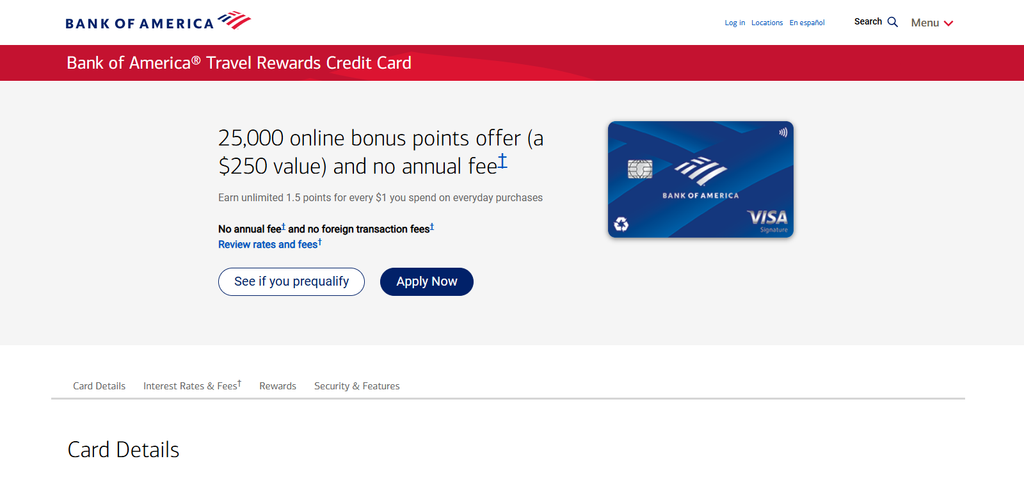
Travel booked via the Travel Center may require you to use points to cover only the concentration of your airfare or just your hotels, but still offers significant value. Most importantly, Bank of America makes it clear that travel rewards card holders can book their travel as they please with complete flexibility when it comes to restrictions and blackout dates.
Travel rewards card holders can redeem their hard-earned travel rewards points as statement credits on eligible travel and dining expenses. Once you use your points for travel, they will never expire for as long as your account is active.
Characteristics
- Accumulates 1.5 reward points for every dollar spent.
- Charges no annual costs to the cardholder.
- No blackout dates when points are redeemed.
- Points can be redeemed as travel statement credits or credits for dining.
- Best for travelers who prefer simple and predictable rewards.
Pros
- Easy to redeem rewards with no annual cost.
- Points can be redeemed for travel statement credits.
- Flexible travel redemption with no blackout dates.
- Points do not expire as long as the account is open.
Cons
- Not as many travel rewards per dollar spent compared with other cards.
- Fewer travel rewards and benefits.
- Less flexible travel rewards redemption when compared with other cards.
- Not as rewarding for expensive travel.
- Value depends on how the rewards are redeemed.
2. Capital One Venture Rewards
The Capital One Venture Rewards card offers travelers an uncomplicated earning and travel redemption system. Cardmembers earn an unlimited 2X miles on purchases, and 5X miles on the booking of hotels, vacation rentals and rental cars at Capital One Travel.
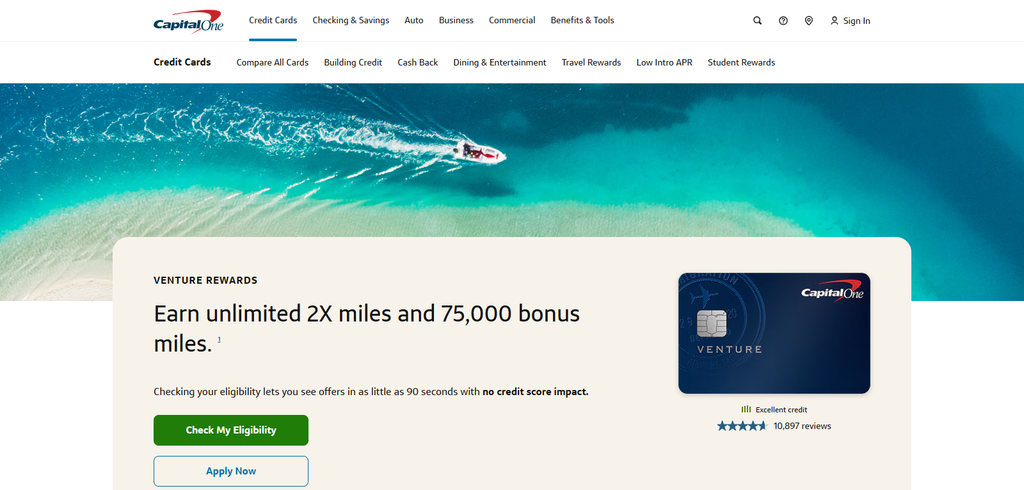
Capital One Travel offers many benefits including the exclusive travel perk of having no blackout dates. Travelers do not have to limit themselves when planning their trips. Blackout dates restrict travelers from booking award flights within increasingly short flight windows.
For flexibility, miles can be redeemed to pay for travel purchases, cash back, gift cards, and purchase experiences or can be redeemed and transferred to one of the 15+ travel loyalty programs. Because transfer partner award availability can vary, no blackout dates shouldn’t be construed as infinite partner award availability.
Characteristics
- Earns 2 miles for every dollar spent.
- Earns 5 miles for every dollar spent on bookings made via Capital One Travel.
- Can be redeemed for travel purchases.
- Can be redeemed for travel purchases via a travel loyalty transfer partner.
- Best for simple rewards with flexibility along the way.
Pros
- High value when redeeming travel rewards.
- Can be redeemed as statement credits.
- Travel transfer partners.
- Ideal for frequent travelers.
- Straightforward rewards.
Cons
- Annual cost.
- Can have travel statement credits with variable value.
- Some travel partners may have restrictions for rewards redemption.
- Not as many travel benefits as other luxury reward credit cards.
- Rewards redeemed in a strategic manner provide the most value.
3. Chase Sapphire Preferred
Chase Sapphire Preferred is designed to complement travel. For instance, cardholders are able to earn 5X points through Chase Travel, 2X at other travel regardless of category, and 3X points on every dollar spent at restaurants and on select purchases.
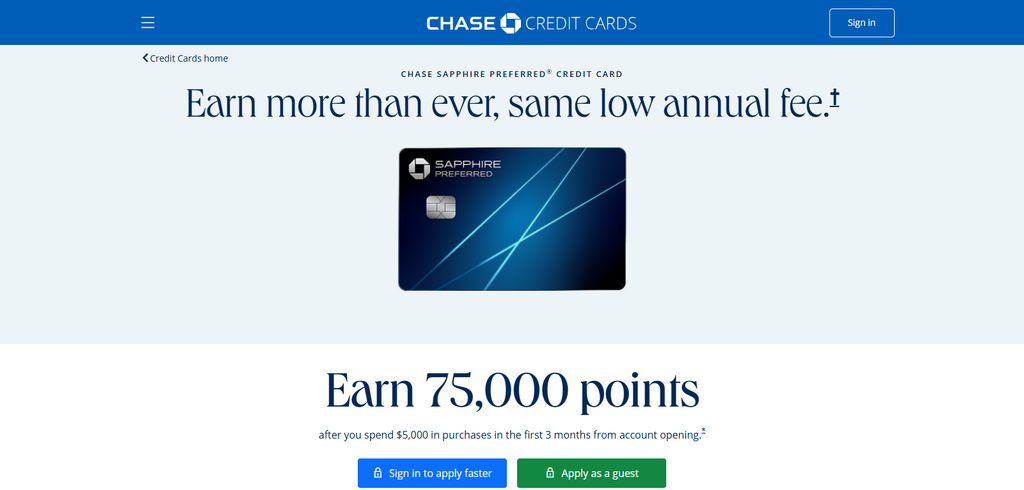
Besides cash back, what drives Chase’s points system is the flexibility of travel booking through Chase Travel where points do not expire and have no travel restrictions. As a travel credit card, members of Chase Sapphire Preferred can transfer points to major travel partners.
There is a $95 annual fee, although cardholders are also given $100 travel credit that is awarded each year for hotel bookings. To add, every four years, the credit on the card can be used to pay for Global Entry, TSA PreCheck, and NEXUS. Note, each travel partner has its own pricing system and terms, which is why point transfers should be done case by case.
Characteristics
- Earns elevated points on travel booked through Chase Travel.
- Offers bonus points on dining and selected travel purchases.
- Ultimate Rewards points can be transferred to travel partners.
- Includes travel-related protections and benefits.
- Carries a relatively accessible annual fee for a premium travel card.
Pros
- Strong airline and hotel transfer ecosystem.
- Valuable travel redemption options.
- Excellent dining rewards.
- Useful travel protections.
- Good balance between rewards and annual fee.
Cons
- $95 annual fee.
- Maximum value often requires strategic point transfers.
- Chase Travel pricing may differ from direct bookings.
- Transfer partners have their own award availability.
- Less premium than the Sapphire Reserve.
4. American Express Platinum
The American Express Platinum Card is not designed for straightforward no-blackout point redemptions. Rather, it’s designed for top-tier travel benefits and Membership Rewards. Points can earn a 5x reward on eligible flights, provided it falls within the program’s limits, and on eligible prepaid hotels from Amex Travel.
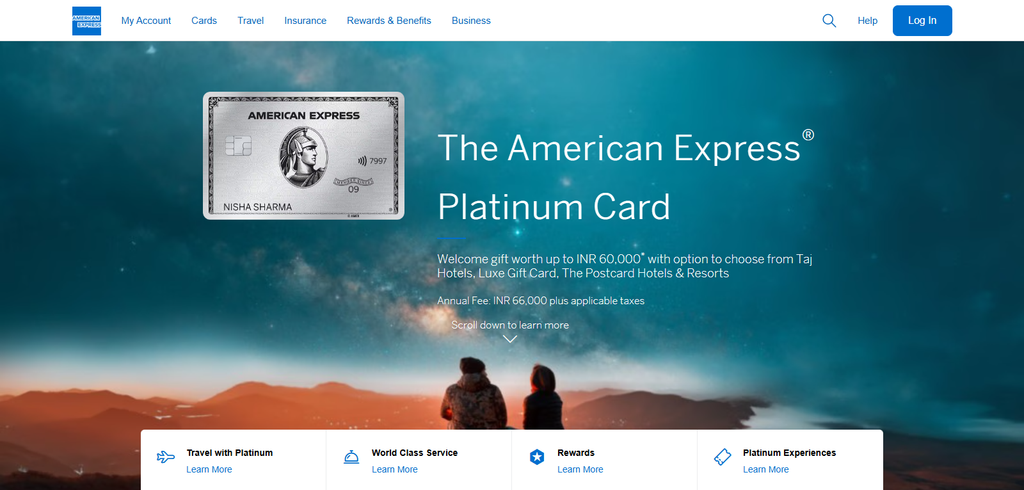
They also offer a great redemption deal with the option to convert points for travel or transfer their points to select travel partners. Although a majority of the benefits from this card revolve around premium travel and access, like airport lounge access, there are a few great travel options some people could take advantage of.
Ultimately, travelers should consider the difference between the card’s flex points and what one of their transfer partner’s award availability is. Transferring points does not mean there’s a spot available.
Characteristics
- Focused on travel rewards, premium travel card.
- Earns Membership Rewards points on eligible purchases, offering bonus points for travel purchases.
- Extensive access to airport lounges and travel benefits.
- Points can be transferred to airline or hotel partners.
- Created for frequent and higher-end travel.
Pros
- Extensive premium travel benefits.
- Extensive airport lounge networks.
- Decent travel-related credits.
- Easier to maximize rewards for frequent travel.
Cons
- Very high annual fee.
- Complex to optimize rewards.
- Many of the credits require enrollment.
- Separate rules apply to transfer partners.
- Not as attractive for less frequent travel.
5. Discover it Miles
The Discover it Miles card streamlines travel rewards. It has no annual fee and earns 1.5X miles on travel and everyday purchases. Discover matches all miles earned during your first year. This card has a distinctive advantage for those wanting flexibility against blackout dates. Discover’s cards do not have an award chart like other airlines.
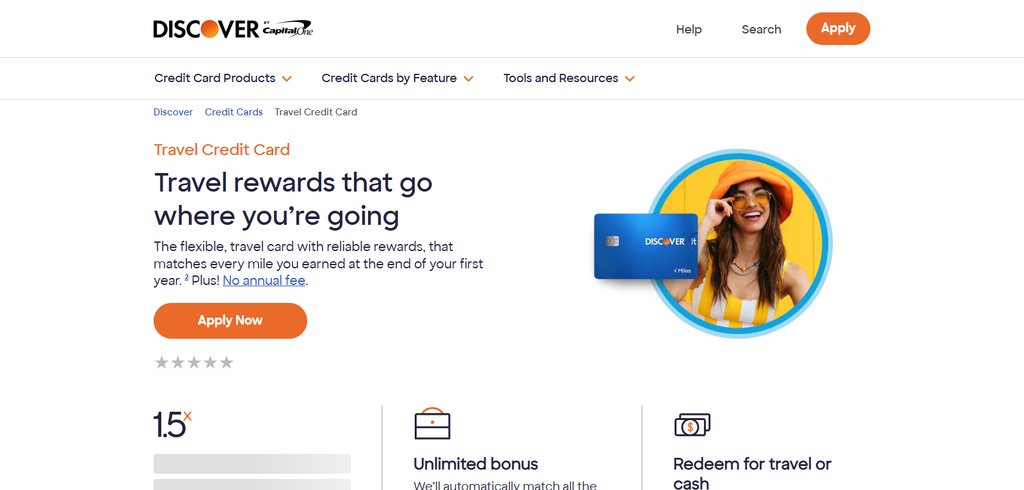
This means that cardholders can buy their travel tickets and then go on that travel and have Discover provide them a statement credit for the purchase. Discover says 100 miles is equal to one dollar, and this value can be used for travel or even cash back.
Plus, the miles do not expire as long as the account is open. While this card does have more features than typical cash back travel cards, when compared to premium travel cards, this card lacks many of the features that could make it more premium.
Characteristics
- Earn 1.5% back on all purchases.
- No annual fee.
- The first year of card purchases can earn a rewards match.
- Miles can be used to book travel through the Chase travel portal or be redeemed for cash.
- A flexible alternative to traditional airline miles.
Pros
- No annual fee
- 1.5X earnings
- Straightforward redeeming value
- No complex airline award charts
- Good card for people new to travel rewards cards
Cons
- Limited premium travel benefits
- Limited airline transfer partners
- Lower rewards earning rate vs. competitors
- Lack of premium travel rewards
- Benefits and international acceptance could be less than some premium Visa or Mastercard products
6. Chase Sapphire Reserve
The Chase Sapphire Reserve works well for the no-blackout-dates comparison as Chase says there are no blackout dates or travel restrictions when booking through Chase Travel, as long as there is a seat on the flight or room at the hotel.

The card has lots of travel benefits and earns 8X points on Chase Travel purchases, 4X on booked flights, 4X on booked hotels, and 3X on dining worldwide. Then, of course, there are the travel benefits that come with the card, as well as the option to transfer Ultimate Rewards points to travel partners.
The great thing about no blackout dates is that it’s not really unlimited availability. A flight or hotel that sells out is still sold out, it’s just that there are no blackout dates.
Characteristics
- This card lies the premium position of the Chase travel reward cards.
- Offers travel and dining rewards.
- Points can be redeemed for travel through Chase Travel or transferred to travel partners.
- Includes travel protections and benefits.
- Redemptions through Chase Travel do not follow blackout dates when qualifying travel inventory is available.
Pros
- Strong travel rewards.
- Excellent travel partner transfer options.
- Strong travel protections.
- Valuable travel credits and perks.
- Ideal for frequent travel.
Cons
- High annual fee.
- Travel benefits are optimized for frequent travel.
- Transfer partners can have limited award travel availability.
- Reward structure is more complex than flat-rate cards.
- Travel rewards and benefits are not optimized for lower travel volume travelers.
7. Navy Federal Flagship Rewards
The Navy Federal Flagship Rewards card appeals to added travel rewards members of Navy Federal (that do not exclusively support a specific airline). It uses travel rewards that can be accrued with every day spending along with Navy Federal’s credit card offerings to make it competitive.
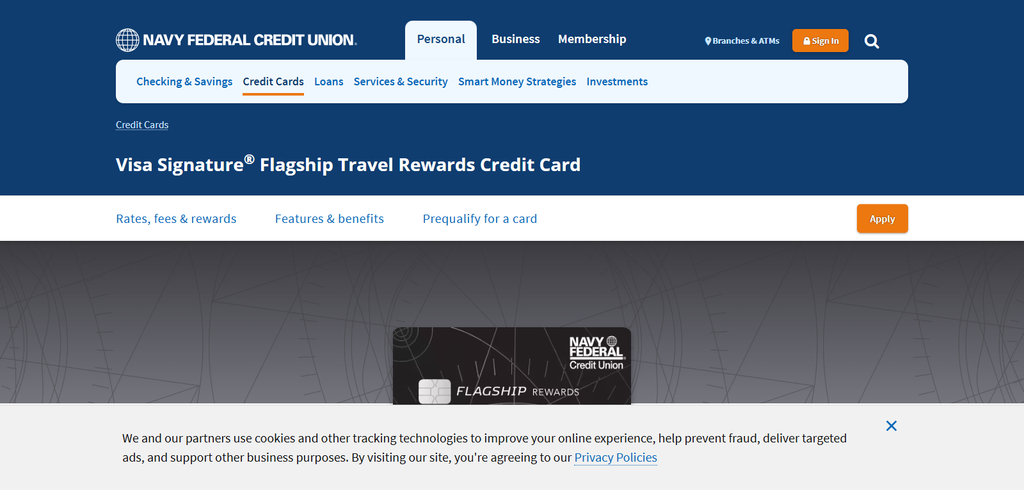
The peacock comparison for the rewards card means truth in advertising is a bigger deal than some sort of “blackout” calendar. Travel rewards cards look to restrict certain days to prevent a concentration of rewards being redeemed. For travel card rewards,a good comparison is to see what the rewards contract stipulates, what travel options are available and the value redeemed before going about the application process.
Military families and those that support the military may enjoy this credit card because of their existing Navy Federal banking relationship. This card should not be judged based upon other cards offered however many years ago.
Characteristics
- Travel rewards focused credit card by Navy Federal Credit Union
- Available to eligible members of Navy Federal Credit Union.
- Has rewards for everyday and travel spending.
- Has travel related card benefits.
- Can attract members of the military and their families who are looking for a travel card that is backed by a credit union.
Pros
- Competitive travel rewards
- Useful for members of Navy Federal
- Offers travel-related benefits
- Can be used in conjunction with other services provided by Navy Federal
- May attract members of the military
Cons
- Requires membership
- Terms of the rewards are subject to change
- Limited transfer capabilities vs. major flexible points programs
- Limited travel benefits
- Not especially useful for travelers outside of the Navy Federal membership
8. Wells Fargo Autograph
Wells Fargo Autograph Card members earn points in many different categories, and unlike more premium rewards cards, consumers can use this card to earn rewards without charging an annual fee. 3X rewards are available in the categories of travel, dining, gas stations, public transportation, streaming subscriptions, and phone services. Members earn 1X rewards in the categories selected by the cardholders.
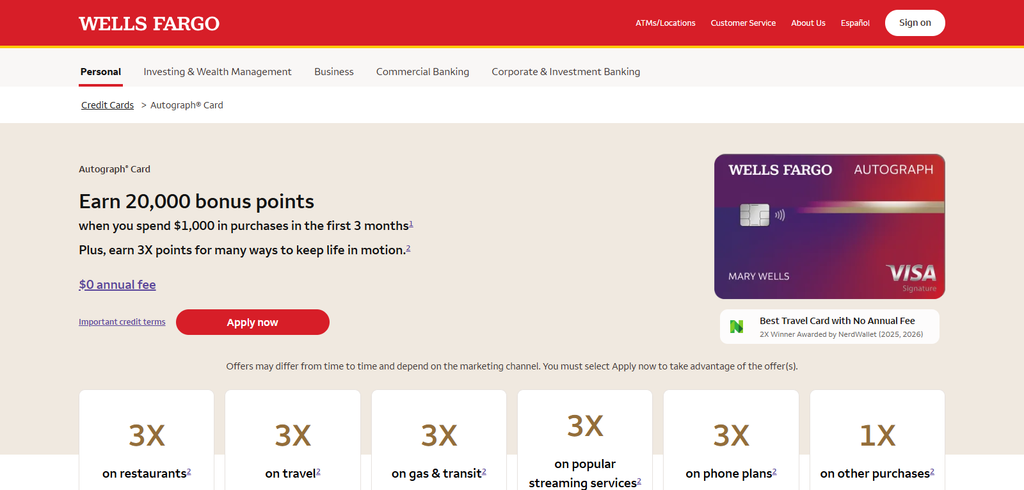
This card’s flexibility provides rewards in spending categories that assessment flexes across multiple airlines and hotels. This is a feature that can help consumers reach reward goals.
Like other flexible-rewards credit cards, card members should read the fine print concerning rewards and the travel booking portal as there are blackout dates. While there may be more flexibility than other cards, members should acquaint themselves with the rewards and the current travel booking conditions to avoid surprise disappointment.
Characteristics
- $0 Introductory Annual Fee.
- Earns 3X points on travel, transit, dining, gas, and more.
- Rewards can be redeemed via Wells Fargo.
- Strong offering for core spending and travel.
Pros
- $0 Introductory Annual Fee.
- Good rewards for travel and core spending.
- Travel and dining are combined.
- Easy for everyday purchases.
Cons
- Add-on cards may incur a fee.
- Fewer travel benefits than other cards.
- Redemption options may be less than major travel banking programs.
- Designed for everyday banking card patronage.
9. Citi Premier
Citi Strata Premier is a card made to help travelers earn ThankYou points for travel and everyday purchases. This card awards 3X points for air and hotel travel, restaurants, supermarkets, and gas and EV charging stations. You also earn additional rewards for eligible purchases made on Citi Travel.
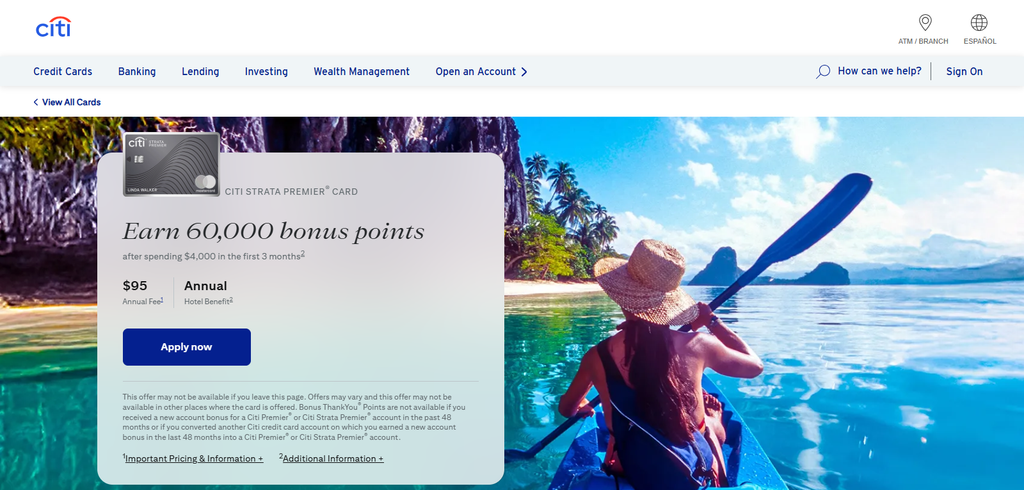
ThankYou points are useful for various redemptions. You can use ThankYou points for any reservation through Citi Travel for flights, hotels, car rentals, and even for experiences. If you prefer flexibility, you can also transfer points to any participating airline or hotel loyalty programs.
This card offers a $100 annual hotel benefit for eligible Citi Travel booking. Transfer partners also cost a lot, so keep in mind that flexible points mean flexibility. Keep in mind also that flexible points can mean different rules on different partner cards, while award availability is guaranteed.
Characteristics
- Travel-centric ThankYou Points Card.
- Earns additional points on travel, dining, supermarkets, and gas, including EV Charging, with select providers.
- Points can be redeemed via Citi Travel.
- Points can be transferred to select loyalty programs.
Pros
- No Introductory Annual Fee.
- Strong rewards for core spending and travel.
- Travel and Dining combined benefits.
- Elegant card design.
Cons
- Some card features may require a higher than average card balance.
- Transfer options may depend on the card and the current Terms.
- Premium travel benefits and redemption options may be less than other travel reward programs.
- Designed more for everyday banking patronage.
- Included is an annual hotel benefit with certain terms.
10. US Bank Altitude Reserve Visa Infinite
The U.S. Bank Altitude Reserve Visa Infinite combines features of travel earning and Real-Time Rewards. This card is redeemed differently from most. While most like to save their points to cash them in for larger redemptions, this card incentivizes travelers to take advantage of Real-Time Rewards which allows card holders to convert eligible purchases to statement credits using instant redemption.
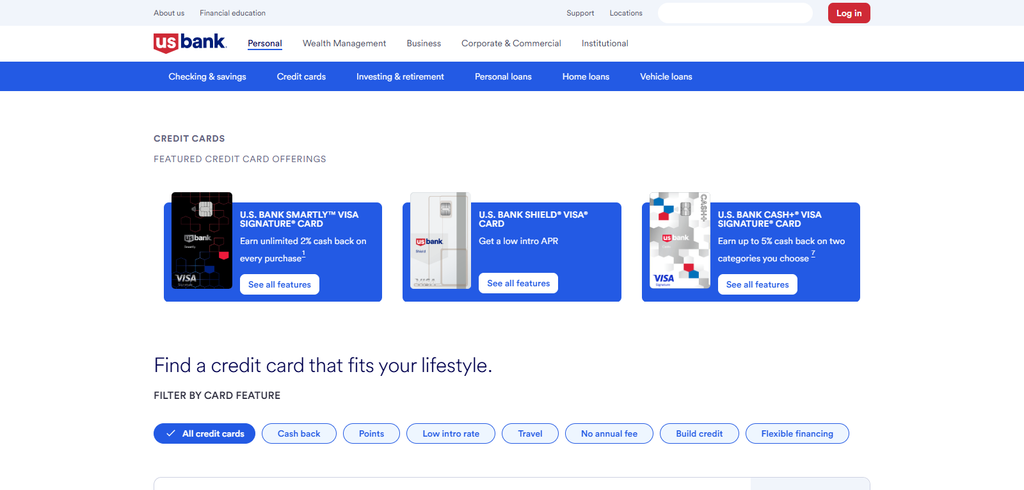
Card holders can also book travel through the U.S. Bank Travel Center with their rewards. It is important to note that Real-Time Rewards is not the same as access to unlimited airline award travel. Certain travel redemptions are bound by the Bank’s rules of booking and travel redemptions. Travelers should consider this card a purchase-based flexible redemption card rather than a card that provides access to unlimited travel.
Characteristics
- Premium travel rewards card.
- Earns elevated points on eligible travel and mobile-wallet purchases under applicable limits.
- Offers Real-Time Rewards for eligible purchases.
- Provides travel-focused benefits and protections.
- Combines traditional travel booking with flexible purchase-based redemption.
Pros
- Strong mobile-wallet earning potential.
- Useful travel rewards.
- Real-Time Rewards can simplify redemption.
- Premium travel benefits.
- Good option for mobile-payment-heavy consumers.
Cons
- High annual fee.
- Rewards categories and limits require attention.
- Real-Time Rewards eligibility can vary by purchase.
- Fewer transfer-partner options than some competitors.
- Availability and redemption rules should be checked before treating it as a no-blackout alternative.
Conclusion
In 2026, travel reward credit cards with no blackout dates will have a lot more competition. The best card will depend on a traveler’s preferred way to redeem points. The Bank of America Travel Rewards Card, the Capital One Venture Rewards Card, the Chase Sapphire Preferred Card, and the Chase Sapphire Reserve Card provide the most flexibility, though the American Express Platinum Card provides the most travel rewards and loyalty program transaction rewards.
No blackout dates don’t mean unlimited award availability. Before choosing a card, consider all the cards’ valued features, including cost and annual return on points, available redemptions, transfer partners, travel insurance and protection, and peak-time competition. This will provide you the most value for your travel expenditures.
FAQ
What does “no blackout dates” mean on a travel rewards card?
It generally means the card or rewards program does not designate specific calendar dates when rewards cannot be redeemed. However, availability can still depend on airline seats, hotel rooms, travel portals, or other redemption rules.
Does no blackout dates mean every flight is available with points?
No. A no-blackout policy does not guarantee every flight or hotel room will be available for rewards. Sold-out flights, limited award inventory, dynamic pricing, and partner restrictions can still affect your booking options.
Which travel rewards cards offer the most flexible redemptions?
Cards such as Bank of America Travel Rewards, Capital One Venture Rewards, Chase Sapphire Preferred, and Chase Sapphire Reserve are notable for offering multiple ways to redeem travel rewards, depending on the current program terms.
Can I use travel rewards during holidays and peak travel periods?
Generally, yes, when the program allows flexible travel redemption and qualifying travel is available. However, holiday flights and hotels can cost more points or have limited availability, so travelers should check the actual redemption requirements before booking.
Are travel rewards better than airline miles?
It depends on your travel habits. Flexible credit-card points can provide more redemption choices, while airline miles may deliver greater value for specific routes, cabins, or loyalty programs.