
This article presents an analysis of the Hidden-City Ticketing & “Skiplagged” Booking Tactics. I will detail the various fare loopholes that cut flight costs and the way travelers exploit stopover routes.
- 10 Hidden-City Ticketing & “Skiplagged” Booking Tactics
- 1. Hidden City Ticketing
- 2. Skiplagged Tactics
- 3. Multi-City Ticketing
- 4. Multi-City Booking Strategy
- 5. Airline Hub Pricing Model
- 6. Airline Fare Gap Exploitation
- 7. Hidden-City Booking Method
- 8. Baggage Check Limitations
- 9. Airline Penalty Risks
- 10. Round-Trip Manipulation
- How We Choose Skiplagged Booking Tactics Explained
- Conclusion
- FAQ
I will explain the booking tactics travelers use to avoid the risk of loss from airline policies and pricing algorithms.
I will cover the effects of ticket restrictions that diversified global carriers and careless booking would pose.
I will discuss the 2026 booking policies and pricing structures that will make travel more efficient and cost-effective.
I will touch on planning travel based on the restrictions and policies of the modern aviation order.
10 Hidden-City Ticketing & “Skiplagged” Booking Tactics
1. Hidden City Ticketing
One of the most popular ways to save money is hidden city ticketing. With this strategy, travelers book a flight with a layover and leave the plane when it lands at the layover destination.
This works because airlines sometimes charge more for direct flights, creating a more economical option for indirect flights.

The price of indirect flights is often set based on demand, making indirect flights a good option for travelers looking to save money.
This tactic works until airlines discover the flaw and change their ticketing policy to negate the exploit.
In 2026, ticketing policies will become more restrictive for frequent hidden city travelers, creating an obstacle for this tactic.
| Tactic | Key Insight | Risk / Impact |
|---|---|---|
| Hidden-city booking | Skip final destination for cheaper fare | Airline policy violations possible |
| Fare imbalance usage | Indirect routes cost less than direct | Savings but strict monitoring in 2026 |
2. Skiplagged Tactics
One of the more popular skiplagged tactics is using a search engine to find hidden city ticketing.
These search engines identify multi-leg flight itineraries and find discrepancies in multi-leg flight prices, creating options for travelers to save money.
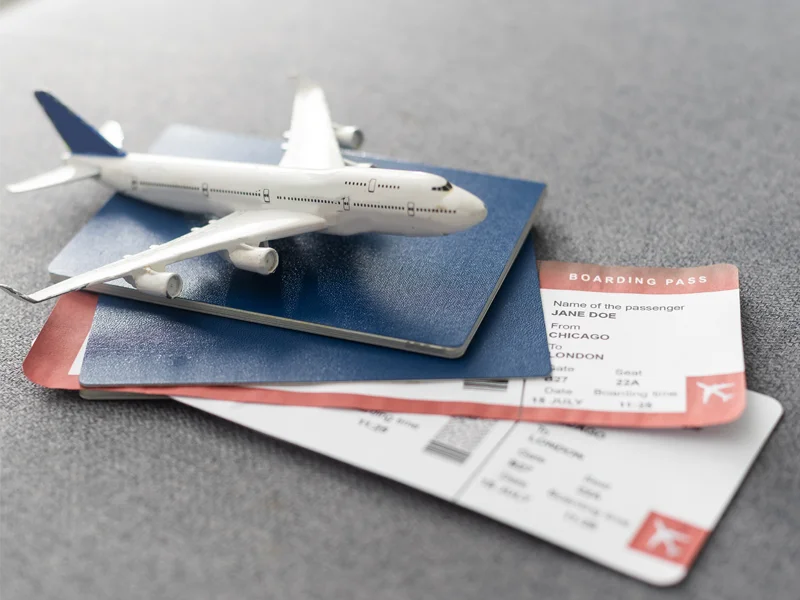
These search engines rely on scraping and fare comparison algorithms. These advanced search tactics will be more sophisticated in 2026
Allowing more travelers to exploit hidden city ticketing. Because of this, travelers need to be on the lookout for more price volatility.
These tactics will create greater risk for travelers, since airlines will discover the hidden city tactic and cancel frequent travelers’ scheduled flights.
| Tactic | Key Insight | Risk / Impact |
|---|---|---|
| Flight comparison tools | Detect hidden-city pricing gaps | Increased detection by airlines |
| Multi-route scraping | Finds cheaper itinerary combinations | Loyalty account monitoring risk |
3. Multi-City Ticketing
Multi-city ticketing is one of the more obvious tactics for travelers trying to exploit hidden city ticketing.
With multi-city ticketing, travelers have to book layovers, but they book layovers to destinations that are not their final destination.

The layover will eventually become the traveler’s final destination when the traveler disembarks the plane, but the traveler does not need to book an additional ticket to that destination
| Tactic | Key Insight | Risk / Impact |
|---|---|---|
| Multi-stop booking | Break journey into cheaper segments | Complex planning required |
| Flexible airport selection | Alternate routes reduce costs | Baggage inconsistency issues |
4. Multi-City Booking Strategy
Multi-city bookings break journeys into separate flight segments, and price gaps in airline alliances and regional carrier routes are exploited. Itinerary combinations identify cheaper airfare compared to traditional flight routes.

As of 2026, more personalized dynamic pricing will cause the need for comparison tools. Advanced users rely on flexible dates, alternate airports, and stopovers for better savings.
However, inconsistent baggage policies, rebooking, and time constraints create a need for more planning before implementing complex itineraries.
| Tactic | Key Insight | Risk / Impact |
|---|---|---|
| Hub routing | Connecting flights cheaper than direct | Airline network optimization |
| Load balancing pricing | Prices vary by demand hubs | Detectable booking anomalies |
5. Airline Hub Pricing Model
Airline hub pricing models set a price structure where connecting through major hubs is cheaper than direct travel.
This pricing structure comes from balancing routes and maximizing flight loads. In 2026, revenue management will allow more fluid, real-time pricing, further unbalancing price structures for different travel segments.

Travelers can, and will, exploit these pricing structures by connecting through strategic hub cities.
However, more advanced systems allow tracking of loyalty programs and other tools to detect and restrict unusual booking patterns.
| Tactic | Key Insight | Risk / Impact |
|---|---|---|
| Pricing mismatch | Different channels show different fares | Short-lived opportunities |
| International route gaps | More stopover savings possible | AI pricing reduces gaps |
6. Airline Fare Gap Exploitation
Airline fare gaps are the product of demand forecasting errors and pricing discrepancies across different distribution channels.
The gaps are most notable in international flights with multiple stopovers. In 2026, the most notable pricing systems will use machine learning
To optimize ticket pricing, and while short-term inefficiencies remain, there will be an effort to unify pricing across routes.
Travelers rely on pricing comparison tools to locate a cheaper flight route that utilizes a connecting flight, circumventing a more expensive direct flight.
Airlines will dynamically price flights to close fare gaps. Stricter pricing rules and a more closed global reservation system will also be employed.
| Tactic | Key Insight | Risk / Impact |
|---|---|---|
| Intentional layover exit | Disembark at stopover city | Ticket cancellation risk |
| Fare structure loophole | Exploits airline pricing logic | Frequent flyer penalties |
7. Hidden-City Booking Method
Hidden-city booking involves purchasing a flight where passengers do not board the final leg of the flight. Instead, passengers get off at a layover city.

Travelers do this by taking advantage of the odd way airlines price their tickets. Data analytics in 2026 will allow airlines to identify users who frequently mismatch their itinerary, ultimately making this tactic much less reliable.
While this tactic lowers the cost of travel, it comes at the expense of losing a return ticket, losing frequent flyer status, and risking the account.
| Tactic | Key Insight | Risk / Impact |
|---|---|---|
| Intentional layover exit | Disembark at stopover city | Ticket cancellation risk |
| Fare structure loophole | Exploits airline pricing logic | Frequent flyer penalties |
8. Baggage Check Limitations
Baggage check policies disrupt hidden-city ticket purchases. When the flight leg checks baggage, it will arrive at the final ticketed destination.

Travelers will either need to pack very lightly or carry on all of their luggage. By 2026, baggage systems will make routing baggage to the layover destinations much more difficult. Layover Exit Manipulation will be much more difficult for customers.
Additionally, interline baggage agreements and digital tracking systems create more challenges and make it even more difficult to take advantage of fare structures without detection.
| Tactic | Key Insight | Risk / Impact |
|---|---|---|
| Carry-on only travel | Luggage goes to final destination | Limits packing flexibility |
| Checked baggage tracking | Airlines enforce destination routing | Reduced loophole usage |
9. Airline Penalty Risks
Airlines will cancel tickets, forfeit loyalty points, and ban accounts due to hidden-city ticketing.
In 2026, airlines will increasingly implement more automated fraud detection systems to identify suspicious bookings.

These systems will analyze travel routing, patterns, and deviations. While using this travel hack may occasionally go unnoticed, doing so repeatedly will increase the risk.
Travelers need to be aware that the use of these tactics will violate the terms and conditions of the service, and travel will be more restricted as a result.
| Tactic | Key Insight | Risk / Impact |
|---|---|---|
| AI fraud detection | Identifies hidden-city patterns | Account suspension risk |
| Loyalty system monitoring | Tracks repeated itinerary abuse | Loss of miles benefits |
10. Round-Trip Manipulation
Round-trip manipulation involves purchasing return flights but skipping segments to save on flight ticket costs.
Round-trip flights tend to be cheaper than one-way flights, and skipping segments exploits this fare structure.
However, manipulations will be less effective in 2026 as airlines implement more pricing models that take behaviors into account.
Nevertheless, round-trip manipulation may still be possible due to flexible-booking models. The most likely scenarios include canceling return legs or losing miles
as well as blocked segments and restrictions on frequent flyer accounts because of systems that detect patterns in loyalty programs.
| Tactic | Key Insight | Risk / Impact |
|---|---|---|
| Cost optimization | Save money using hidden fares | Legal/ethical concerns |
| AI airline monitoring | Detects unusual booking behavior | Reduced effectiveness in 2026 |
How We Choose Skiplagged Booking Tactics Explained
- Explore the price differences of connecting versus direct flights.
- Pinpoint repeated hidden city flight options for many carriers.
- Assess the reliability and the data competence of Skiplagged-inspired flight finders.
- Analyze the price contrast with a standard flight search.
- Understand how a ticket is priced in hub and spoke system flights.
- Consider the risks of the cancellation of a ticket and the consequences from the airline.
- Look into baggage rules and how they could impact each of the tactics.
- Examine the trends in utilization of these tactics and how far pricing in 2026 will change.
- Weigh the flexibility of the layover city and routes.
- Focus on the cost savings versus the risk of the travel tactics.
Conclusion
In conclusion, you can save a lot of money on airfare using Hidden-city ticketing and Skiplagged-style booking, but you have to be careful.
You lose your ticket, have baggage problems, and are penalized for loss of loyalty points. Their reliability will be even worse in 2026 with even better airline ticketing systems and AI monitoring to track your flights.
You should carefully evaluate disruptions to your travel plans, cost savings, and the consequences of breaking airline ticketing policies.
FAQ
What is hidden-city ticketing?
Booking a flight and getting off at the layover instead of the final destination.
What is Skiplagged booking?
It is a method to find cheaper hidden-city flight opportunities online.
Is hidden-city ticketing legal?
It is not illegal, but violates most airline terms of service.
Why are hidden-city flights cheaper?
Airlines price routes differently based on demand and stopover economics.
Can airlines punish passengers for it?
Yes, they may cancel tickets or ban frequent flyer accounts.