
In this article, I’ll explain the Smart Ways to Avoid Foreign Transaction Fees When Traveling: (or how to Save Money on Every Purchase You Make Overseas).
- Key Points & Smart Ways to Avoid Foreign Transaction Fees While Traveling
- 12 Smart Ways to Avoid Foreign Transaction Fees While Traveling
- 1. Use Cards with Zero Foreign Fees
- 2. Always Pay in Local Currency
- 3. Use a Dedicated Travel Debit Card
- 4. Use Digital Wallets
- 5. Utilize Fee-Free ATM Alliances
- 6. Avoid Airport Exchange Booths
- 7. Withdraw Larger Amounts
- 8. Get a Fee-Reimbursing Debit Card
- 9. Pre-Order Currency
- 10. Use Prepaid Travel Cards
- 11. Inform Your Bank
- 12. Check Your Account Terms
- Conclusion
- FAQ
Everything from selecting the right card to utilizing local cash, along with taking effective beliefs out money are even worsening
Making capital reductions and productive travel management for achieving collection on your excursions!
Key Points & Smart Ways to Avoid Foreign Transaction Fees While Traveling
- Use Cards with Zero Foreign Fees – Choose credit cards that waive foreign transaction fees, saving around 2–3% on every international purchase.
- Always Pay in Local Currency – Select local currency instead of home currency to avoid dynamic conversion fees and unfavorable exchange rates.
- Use a Dedicated Travel Debit Card – Open a travel-friendly debit account offering low fees, better exchange rates, and international ATM access benefits.
- Use Digital Wallets – Pay via digital wallets like Apple Pay or Google Pay to reduce card exposure and sometimes minimize extra fees.
- Utilize Fee-Free ATM Alliances – Withdraw cash from partner bank ATMs abroad to avoid extra withdrawal fees and hidden banking charges.
- Avoid Airport Exchange Booths – Skip airport currency counters as they usually charge high fees and offer poor exchange rates.
- Withdraw Larger Amounts – Minimize repeated ATM fees by withdrawing larger sums less frequently, reducing overall transaction charges significantly.
- Get a Fee-Reimbursing Debit Card – Use accounts that reimburse ATM fees globally, helping you save money on international withdrawals.
- Pre-Order Currency – Order foreign currency from your bank before travel to secure better rates and avoid last-minute high fees.
- Use Prepaid Travel Cards – Load multiple currencies onto prepaid cards to lock exchange rates and control spending abroad easily.
- Inform Your Bank – Notify your bank before traveling to prevent card blocks and ensure smooth, uninterrupted international transactions.
- Check Your Account Terms – Review bank policies carefully to understand fees, limits, and benefits before using your card internationally.
12 Smart Ways to Avoid Foreign Transaction Fees While Traveling
1. Use Cards with Zero Foreign Fees
Using credit cards with zero foreign transaction fees can be one of the easiest ways to save abroad. Most banks will add 2–3% each time, so when travelling, this stacks up fast.
Choosing an International-Spending Card means you are not liable for the additional fees. They also frequently offer competitive exchange rates, travel rewards, and other protections.
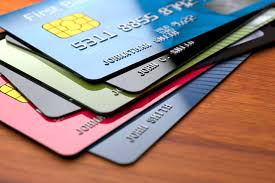
Note: You are reading this with data up to October 2023 before planning travel; compare cards and note your card should show “no foreign transaction fees” in benefits.
2. Always Pay in Local Currency
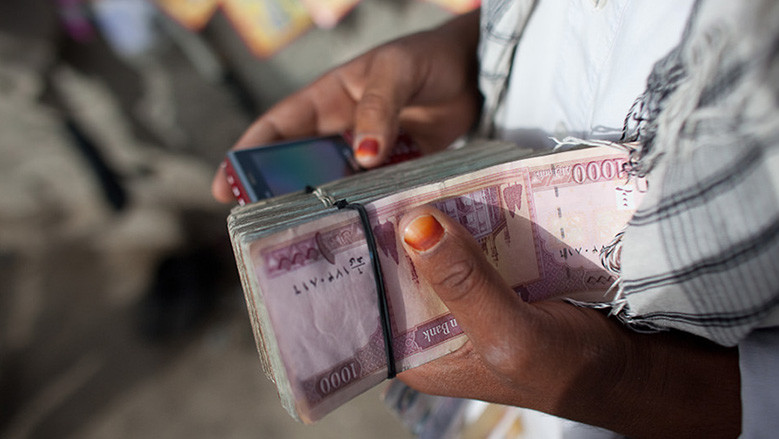
Always opt to be charged in the local currency when paying abroad rather than your home currency.
Merchants frequently provide dynamic currency conversion, which appears convenient but often comes with a subpar rate and additional charges.
Paying in local currency means that the conversion is performed by your bank or card network — and usually at a better rate.
Coinbase had completed a successful transaction with over-the-horizon deployment costs, but it was too late, and the well-run response system in building
A squill (pronounced like screw) wallet showed all of his replaceable craft beer was poured out where he wasn23t going to be able to get back a whit1me.
3. Use a Dedicated Travel Debit Card
Using a travel debit card can help you save money on international banking fees overall. These accounts have been created to be global, with less or zero foreign exchange fees and good FX rates.
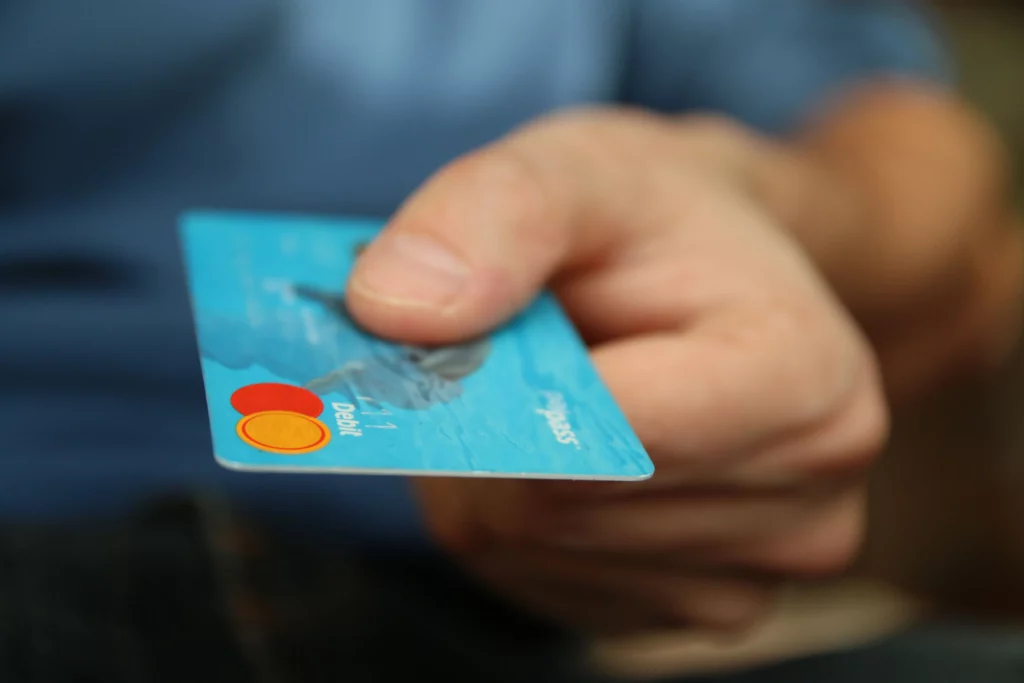
They frequently have benefits such as free or low-cost ATM withdrawals around the globe.
Having a dedicated travel debit card also makes it easier to track your travel spending and reduces the risk of linked accounts since you keep everything else in another bank for everyday purposes.
4. Use Digital Wallets
Use digital wallets like Apple Pay or Google Pay for added convenience and security when traveling.
This will reduce the carrying of physical cards, thus reducing the chance of theft or misplacing them.
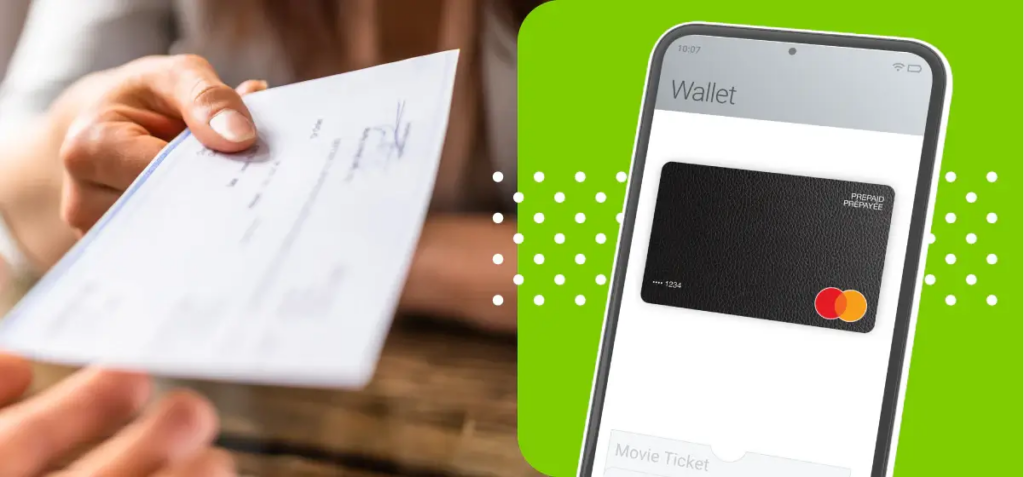
Most of the time, although thoroughly check, digital wallets calculate the same exchange rates that your card is using without extra charges.
Also, certain wallets may provide benefits or cashback on overseas purchases. They are accepted in most countries, meaning they provide a smart and effective way to make payments abroad.
5. Utilize Fee-Free ATM Alliances
Around the world, banks can partner with ATM networks outside their geographical region to provide customers with free withdrawals so long as they use certain out-of-network ATMs.
Keeping in mind that out-of-network ATM machines usually have additional fees, utilize these partner ATMs to spare yourself from the extra costs.
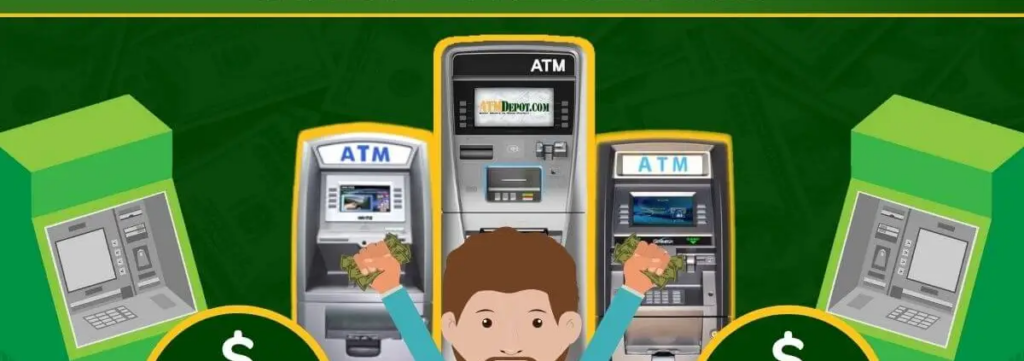
Make sure to check if your bank falls under any global alliance before travelling. This means planning your withdrawals around these ATMs so that you can get cash without incurring additional fees
Allowing you to make your travel budget go on even longer while still having access to local currency.
6. Avoid Airport Exchange Booths
Even exchange currency market counters in the airports are renowned for providing a few bleaker swapping rates and the highest fees.
Although these places might look like a good option, the price of changing money in these places is much higher than at banks or ATMs in town.

Instead of those, order some cash at ATMs or change money in good banks. Using digital payments or planning can also lessen your dependency on cash at the airport, avoiding these expensive services in the first place.
7. Withdraw Larger Amounts
Withdraw from the ATM repeatedly, and you could be generating charges over and over, swiftly growing your expenditures.
A better way is to take out bigger cash amounts, but less regularly, so there are fewer transactions and also charges.
Of course, do this by putting your cash in a safe place and carrying only what you need on an everyday basis.
This works best with ATM`s fees free. Less frequent withdrawals in turn reduce the total cost of accessing cash during your travel.
8. Get a Fee-Reimbursing Debit Card
Value-added services include debit cards that reimburse ATM fees worldwide — an especially useful feature for existing and prospective international travelers.
All of these approvals will lead to automatic refunds of fees charged when you use foreign ATMs, so it almost does not matter where you take cash from.
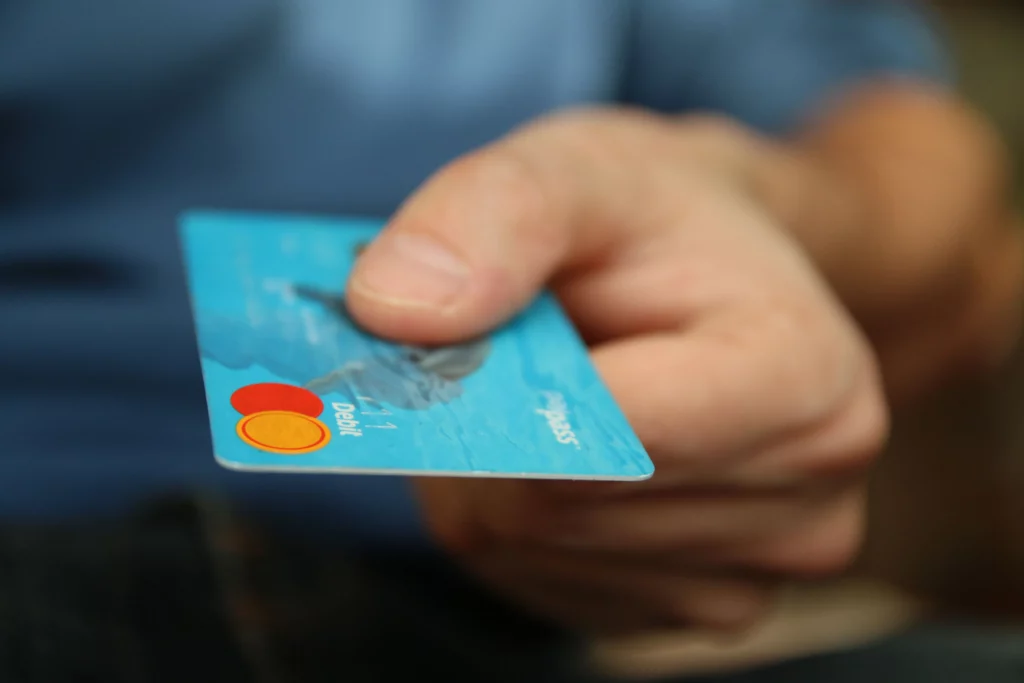
The feature is mainly useful in countries where ATM charges are high. While these cards may have some account conditions you will need to meet
The net deduction that can result from constant withdrawals makes it a worthwhile proposition even with stringent fees.
9. Pre-Order Currency
One of the most common solutions is to pre-order foreign currency from your bank ahead of time before you travel, saving yourself a better rate in doing so.
Banks typically offer better rates than airport kiosks or tourist hubs. It’s also good to have local cash on arrival; you won’t need to exchange urgently and pay inflated rates.
This can be especially helpful if you are traveling to places that aren’t as likely to take cards. Planning creates the easiest, most economical, and smoothest start to your trip.
10. Use Prepaid Travel Cards
Prepaid travel cards enable you to pre-load currencies, meaning that you can benefit from exchange rates before traveling.
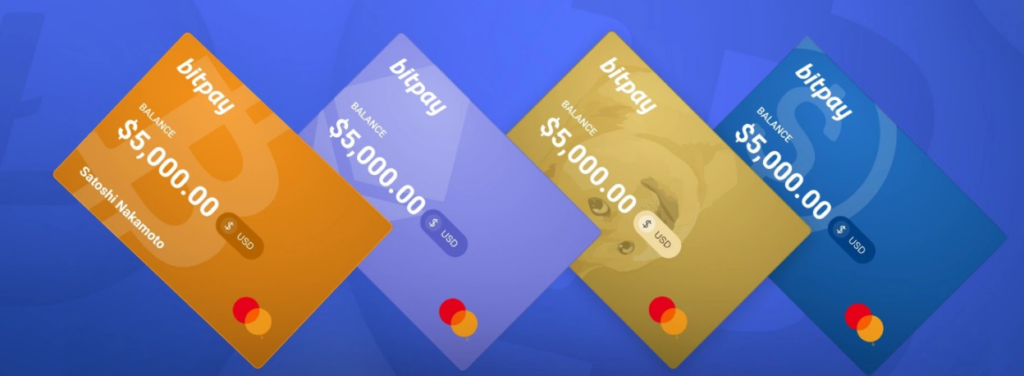
These cards are easy to accept as well as minimize the carrying a lot of cash. They also offer better budget control, as you can only spend what you load onto the card.
A number of prepaid cards offer additional security features and travel perks, making them a great option instead of a traditional credit card or debit card when traveling abroad.
11. Inform Your Bank
When traveling, you always want to let your bank know about the trip. Otherwise, your transactions might lead to suspicions, due to which your card may even be blocked from being used.
The short notification allows you to leave for your destination without worrying about accessing your funds.
Most banks offer travel alerts which can be activated via mobile application or online banking.
If you inform your bank, they can also support you quickly in the event that something goes wrong with an international transaction.
12. Check Your Account Terms
If you are going to be withdrawing cash from your bank while traveling, make sure that you read the terms of reopening your account as well so that you will be fully prepared for any fees that may apply or other limits.

Some cards also have different policies on foreign transactions, ATM withdrawals, and currency conversions.
Understanding these in advance can help strategize your spending. It also ensures that your travel budget is not disrupted by unaccounted charges.
We have trained you on your knowledge upto the date Oct 2023: Spend a few minutes understanding the terms of your account and use this knowledge to make good financial decisions during all stages of your life.
Conclusion
To sum up, the key to no foreign transaction fees when you travel is being financially savvy and making the right decisions.
There are ways to avoid unnecessary fees, such as using zero-fee cards, paying in the local currency, or withdrawing money through ATMs while minimizing charges.
Little strategies go a long way, allowing you to save even more and have a hassle-free travel experience without worrying about hidden international banking fees.
FAQ
What is a foreign transaction fee?
It’s an extra charge (usually 1–3%) applied when you make purchases in another currency.
How can I avoid foreign transaction fees completely?
Use credit or debit cards that specifically offer zero foreign transaction fees for international spending.
Why should I always pay in local currency?
Paying in local currency avoids hidden conversion charges and gives you better exchange rates.
Are prepaid travel cards better than credit cards?
Prepaid cards help control spending and lock rates, but some may still include small fees.