


Selecting the appropriate visa is essential for remote workers intending to combine travel with remote work. In this article, I will discuss the Best Digital Nomad Visas to Apply for Now, and I will look at requirements and income thresholds, pros, and cons, duration, and lifestyle flexibility.
International Remote work visas fulfill a unique need for remote professionals who want to live and work from abroad while enjoying flexible travel and work opportunities.
Key Points & Best Digital Nomad Visas to Apply for Now
- Spain — Enjoy European living while working remotely for foreign companies.
- Portugal — Combine remote work, European access, and potential long-term residency opportunities.
- Estonia — Choose excellent digital infrastructure and a startup-friendly environment for remote professionals.
- Croatia — Enjoy Adriatic beaches while working remotely for overseas employers.
- Greece — Live among beautiful islands while continuing your international remote career.
- Malta — Work remotely while enjoying Mediterranean lifestyle and strong international connectivity.
- Costa Rica — Enjoy tropical nature while legally working remotely for foreign income.
- Hungary — Experience affordable European living with the flexible White Card .
- United Arab Emirates — Gain a strategic base with excellent infrastructure and global connectivity.
- Thailand — Combine low living costs, tropical destinations, and flexible long-term visa options.
10 Best Digital Nomad Visas to Apply for Now
1. Spain
Spain’s Digital Nomad Visa caters to non-EU remote workers employed by companies or clients based outside Spain. Employees must work for foreign companies, but self-employed persons can earn a maximum of 20% of their income from Spanish businesses.
The visa applicants must have a recognized degree or at least three years of relevant experience, and they must provide evidence of their financial means and health insurance along with other supporting documents.
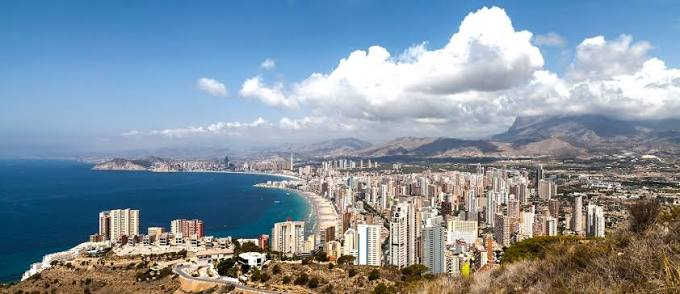
Spain’s Digital Nomad Visa is an opportunity for remote workers to create a strong foundation in Europe for themselves and their families connected to them under the Visa.
Features Spain
| Feature | Details |
|---|---|
| Visa Type | Digital Nomad Visa |
| Best For | Remote employees and freelancers |
| Remote Work | Mainly for foreign companies/clients |
| Spanish Clients | Self-employed applicants may have limited Spanish income |
| Qualification | Degree or relevant professional experience |
| Healthcare | Health insurance generally required |
| Key Advantage | European lifestyle and Schengen access |
| Family | Eligible family members may accompany applicants |
2. Portugal
For remote workers wanting to settle in mainland Europe, Portugal offers a balance of a good standard of living, European Union infrastructure and a platform to facilitate their transition to longer-term residency.
Portugal has adopted a remote-work framework whereby remote workers can be granted temporary residency, and subsequent residency, after working for employers or clientele based outside Portugal.

Evidencing your professional activity, means of income, accommodation, health insurance, and supporting documents as per your Visa category is a prerequisite.
Portugal is well placed for freelancers and entrepreneurs, and employees, as long as they maintain their earnings from outside Europe.
Features Portugal
| Feature | Details |
|---|---|
| Visa Type | Remote-work temporary stay/residence route |
| Best For | Employees, freelancers and remote professionals |
| Work Location | Portugal |
| Income Source | Primarily foreign employment or clients |
| Lifestyle | Coastal cities, towns and major urban centers |
| Residency Potential | Possible longer-term residence route |
| Family | Family options may be available |
| Key Advantage | European base with strong lifestyle appeal |
3. Estonia
Technology professionals and entrepreneurs are most likely to enjoy Estonia’s digital public services and a modern business environment.
Estonia’s Digital Nomad Visa is long stay Visa for remote employees or remote business owners under its long-stay Visa framework. Remote workers must provide evidence of a remote employment or business activity along with sufficient means.
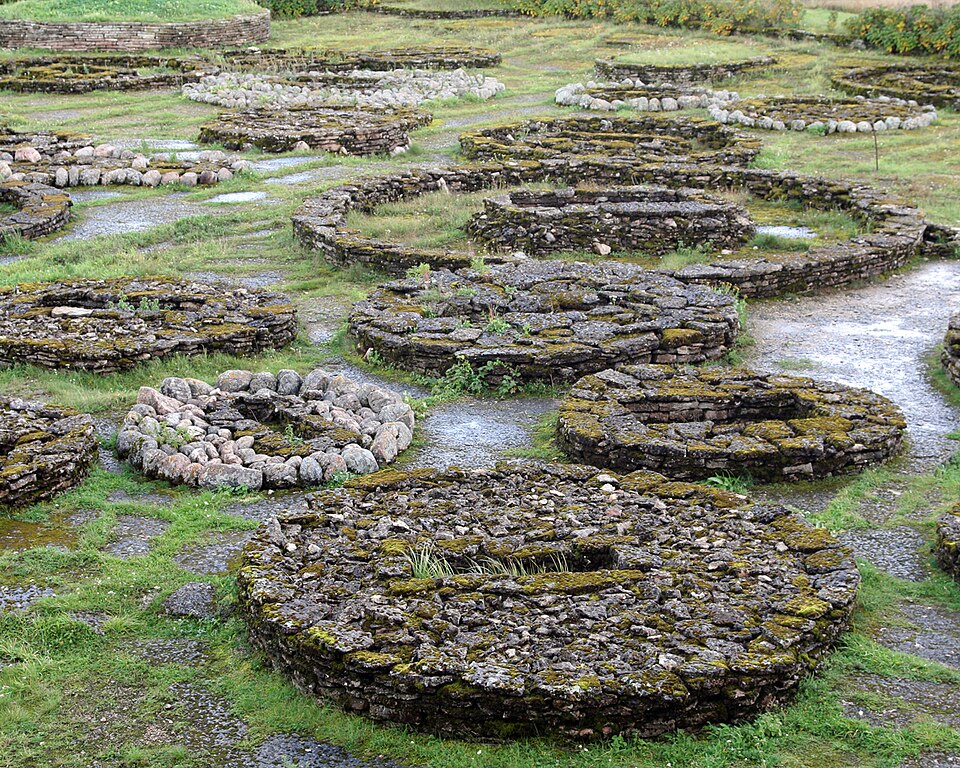
Currently, Estonia’s digital nomad financial requirement is set at €3,960 per month or €132 per day, and the visa allows you to get quick access to Estonia and the Schengen area.
Features Estonia
| Feature | Details |
|---|---|
| Visa Type | Digital Nomad Visa |
| Best For | Technology and remote professionals |
| Work Requirement | Qualifying remote employment/business |
| Financial Requirement | €132 per day under published criteria |
| Approx. Monthly Amount | About €3,960 |
| Infrastructure | Highly developed digital services |
| European Access | Schengen-area travel benefits |
| Key Advantage | Digital-first business environment |
4. Croatia
Croatia has a digital nomad temporary stay program. It is designed to help remote workers in Croatia with access to the beautiful beaches andthcities and islands in the Adriatic.
This temporary stay permit can last up to 18 months and depends on specific cases. Currently, the financial requirement for the program is based on the average
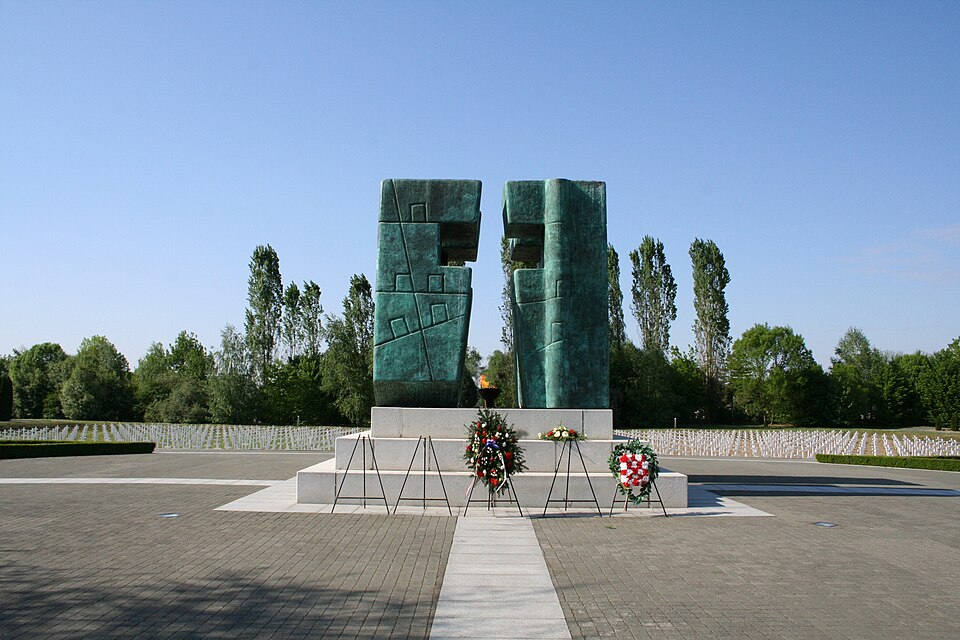
Salary in Croatia, and the minimum is set at €3,622.50 per month, with larger deposits required for longer stays. Nomads must also satisfy other requirements.
Features Croatia
| Feature | Details |
|---|---|
| Program | Digital Nomad Temporary Stay |
| Best For | Overseas remote workers |
| Work Location | Croatia |
| Employer/Clients | Generally outside Croatia |
| Maximum Stay | Up to 18 months |
| Financial Proof | Required |
| Lifestyle | Adriatic coast and historic cities |
| Key Advantage | Long potential stay in Croatia |
5. Greece
Greece has developed a digital nomad visa that targets non EU, digital nomad, freelancer, or self employment professionals with clients out of Greece and that are working remotely.
This visa is a good option for those looking to live in Greece and work remotely while enjoying Mediterranean countries’ living, the Greek islands and historic cities.

This visa allows the applicant to stay for a period of one year, and allows the applicant to renew the permit for residency once the time is up. It should be noted that under the program, digital nomads are not aloud to take up regular employment.
So remotely working and out of country employment remain a focal point for the program. Work in Greece, is restricted.
Features Greece
| Feature | Details |
|---|---|
| Visa Type | Digital Nomad Visa |
| Best For | Remote employees and freelancers |
| Eligible Work | Foreign employers or clients |
| Initial Visa Period | Up to 1 year |
| Longer Residence | Residence permit may be possible |
| Lifestyle | Islands, beaches and historic cities |
| Local Employment | Ordinary Greek employment is restricted |
| Key Advantage | Mediterranean lifestyle |
6. Malta
The Nomad Residence Permit in Malta allows non-EU, non EEAA, and non Switzerland citizens to keep working remotely while living in Malta. Applicants may work as foreign employees, foreign company shareholders, or freelancers working with foreign clients.
The minimum annual gross income is €42,000 and other requirements for health insurance, accommodations, a valid passport, police clearance, and background checks.

The permit is initially given for a one year period after which it may be renewed if the applicant meets the requirements. The Maltese government offers the opportunity to live in the Mediterranean region with strong international ties.
Features Malta
| Feature | Details |
|---|---|
| Permit | Nomad Residence Permit |
| Best For | Foreign employees and freelancers |
| Minimum Income | €42,000 gross annually |
| Eligible Applicants | Employees, business owners and freelancers |
| Initial Period | 1 year |
| Renewal | Possible if eligibility continues |
| Healthcare | Health insurance required |
| Key Advantage | Mediterranean European base |
7. Costa Rica
Remote workers who wish to earn money from international employers, businesses or clients while operating in a tropical setting may find the digital nomad program in Costa Rica, a good option.
Qualified applicants are permitted a stay of one year with the option to renew for another under program rules after the initial qualifying stay of 90 days.

Candidates must have a stable income of at least $3,000 USD per month, or $5,000 USD for a family, and must maintain qualifying medical insurance.
Among the benefits are favorable income tax treatment, exemptions for holding a foreign driving license, and other benefits related to being a remote worker of long standing.
Features Costa Rica
| Feature | Details |
|---|---|
| Program | Digital Nomad Program |
| Best For | Remote employees and freelancers |
| Minimum Income | $3,000 monthly for individuals |
| Family Income | $5,000 monthly for families |
| Income Source | Foreign employers/businesses/clients |
| Insurance | Medical insurance required |
| Environment | Tropical and nature-focused |
| Key Advantage | Extended stay for remote workers |
8. Hungary
The White Card is a program established for citizens of other countries who are employed by foreign companies and or are engaged in activities that qualify as remote business outside of Hungary.
A major requirement is that work for a Hungarian employer may not be performed by the holder of the card nor a business (company) owned by the holder of the card may be established.
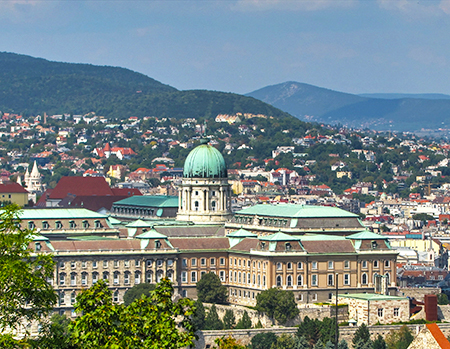
A requirement is demonstrating sufficient income on at least €3,000 net per month. For the program, the White Card is issued for a one year period and is extendable for and additional year.
Budapest is well suited for remote workers because of its excellent infrastructure and its place in central Europe.
Features Hungary
| Feature | Details |
|---|---|
| Permit | White Card |
| Best For | Foreign remote professionals |
| Minimum Income | €3,000 net monthly |
| Employer | Generally outside Hungary |
| Local Employment | Restricted |
| Validity | Up to 1 year |
| Extension | Generally possible once |
| Key Advantage | Central European location |
9. United Arab Emirates
This visa allows people employed outside the UAE to live in the UAE while working remotely. The one year self-sponsored visa makes the UAE a great option for remote workers looking to set up a base in the Middle East.
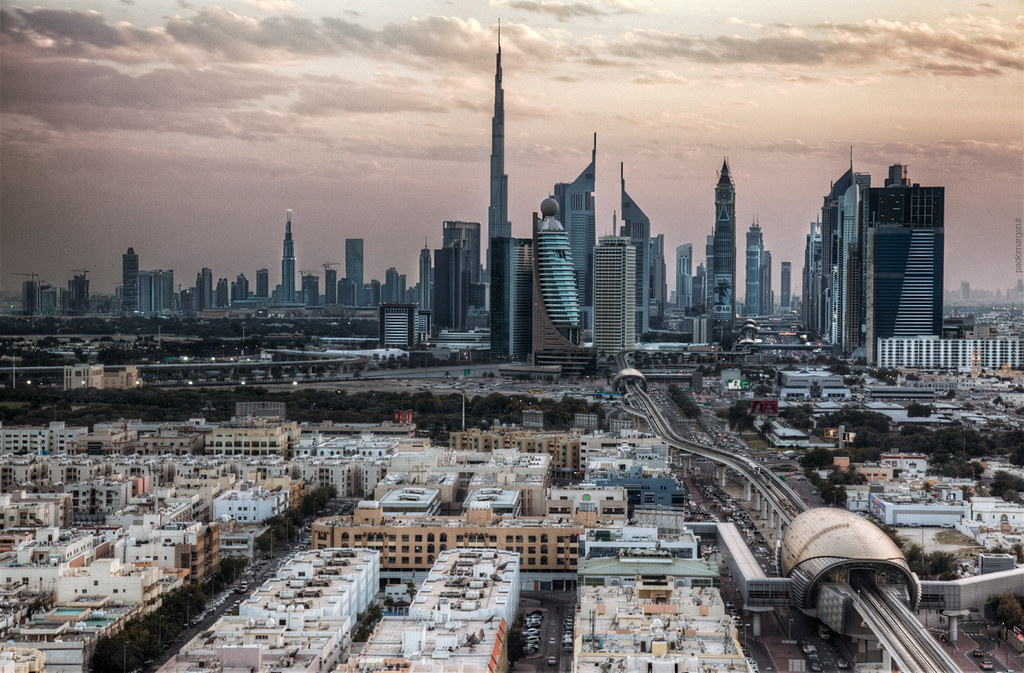
The applicants need to provide health insurance, a medical fitness certificate, proof of work outside the UAE, and an employer certificate showing a minimum monthly salary of $3,500 or its equivalent. These applications can be made with the various UAE government offices.
Features United Arab Emirates
| Feature | Details |
|---|---|
| Visa Type | Virtual Work Residence Visa |
| Best For | Overseas remote employees |
| Minimum Salary | US$3,500 monthly |
| Employer | Outside the UAE |
| Validity | 1 year |
| Sponsorship | Self-sponsored |
| Requirements | Insurance and medical fitness |
| Key Advantage | Global business and connectivity hub |
10. Thailand
Thailand’s Destination Thailand Visa is a great compromise for remote professionals and other eligible travelers since the visa description summary in Thailand’s official e-Visa system specifically allows ‘workcation’ activities.
It is especially used for stays that are longer than traditional tourist visas and is appealing for people that want a work and travel balance to Thailand’s lower cost of living and great food and beaches, as well as the country’s international communities and established cities.

The applicants need to fulfill the financial and document requirements, which may vary, and can apply through Thailand’s official e-Visa system. Final approval is subject to government discretion.
Features Thailand
| Feature | Details |
|---|---|
| Visa | Destination Thailand Visa (DTV) |
| Best For | Remote professionals and eligible travelers |
| Workcation | Included among eligible activities |
| Application | Official Thai e-Visa system |
| Stay | Designed for longer-term stays |
| Lifestyle | Beaches, cities and cultural attractions |
| Financial Proof | Required |
| Key Advantage | Flexible long-stay option |
Conclsuion
In Conclusion When it comes to choosing the best digital nomad visas to apply for, your income, work arrangement, lifestyle, and long-term goals all come into play. Remote work destinations such as Spain, Portugal, Estonia, Hungary, Croatia, Greece, Malta,
Costa Rica, the UAE, and Thailand have an abundance of options for remote professionals. Every program has its own requirements for eligibility, financial means, documentation, and the constantly changing legislation, so do your due diligence!
FAQ
What is a digital nomad visa?
A digital nomad visa lets remote workers legally live abroad while working for foreign employers or clients.7f
Which country has the best digital nomad visa?
Spain, Portugal, Estonia, Croatia, and the UAE are popular choices for remote professionals.
How much income is required?
Income requirements vary by country, ranging from several thousand dollars or euros monthly.
Can freelancers apply for digital nomad visas?
Yes, many programs accept freelancers who can prove qualifying remote work and sufficient income.